Egyptian Antiquities
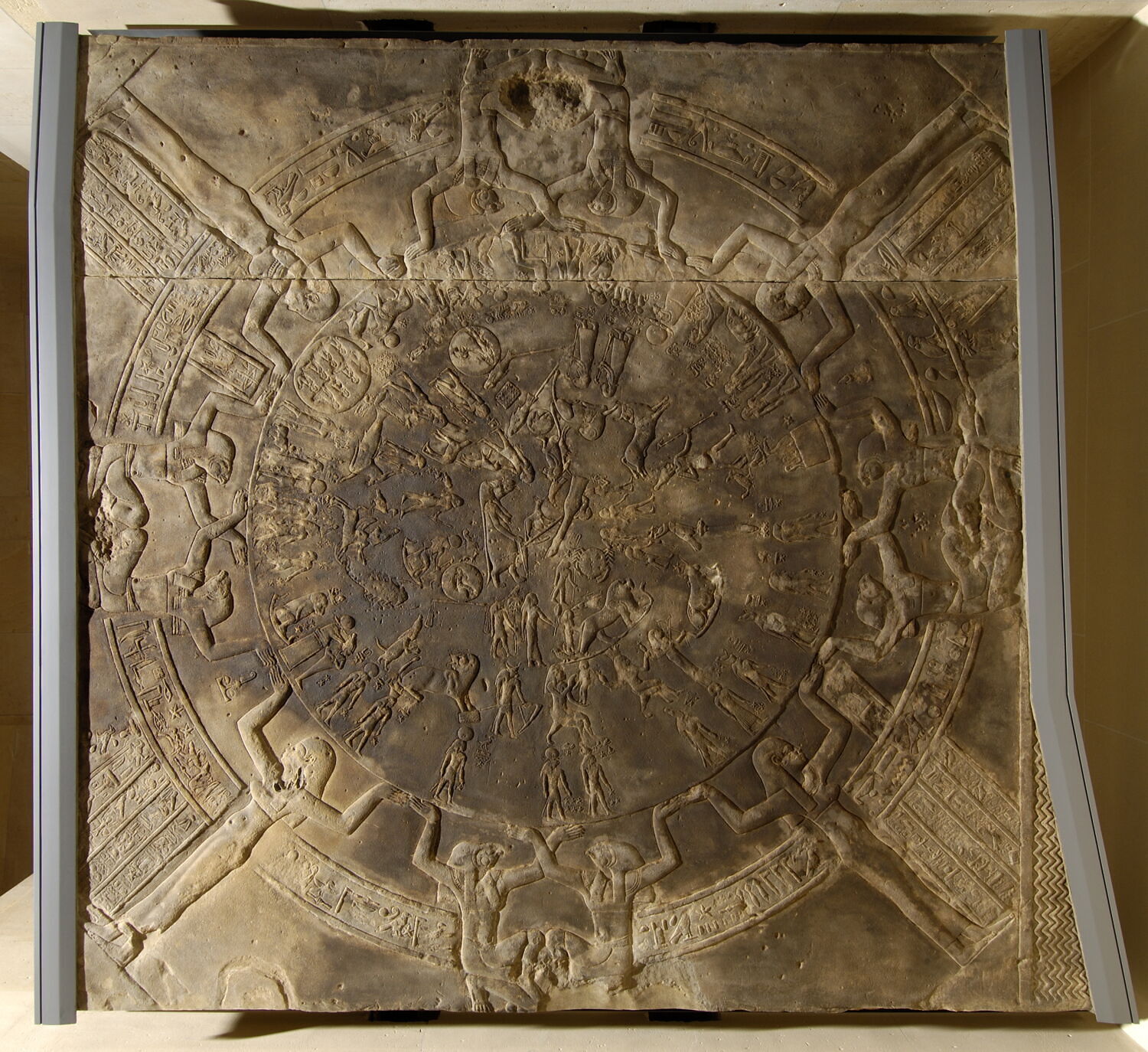
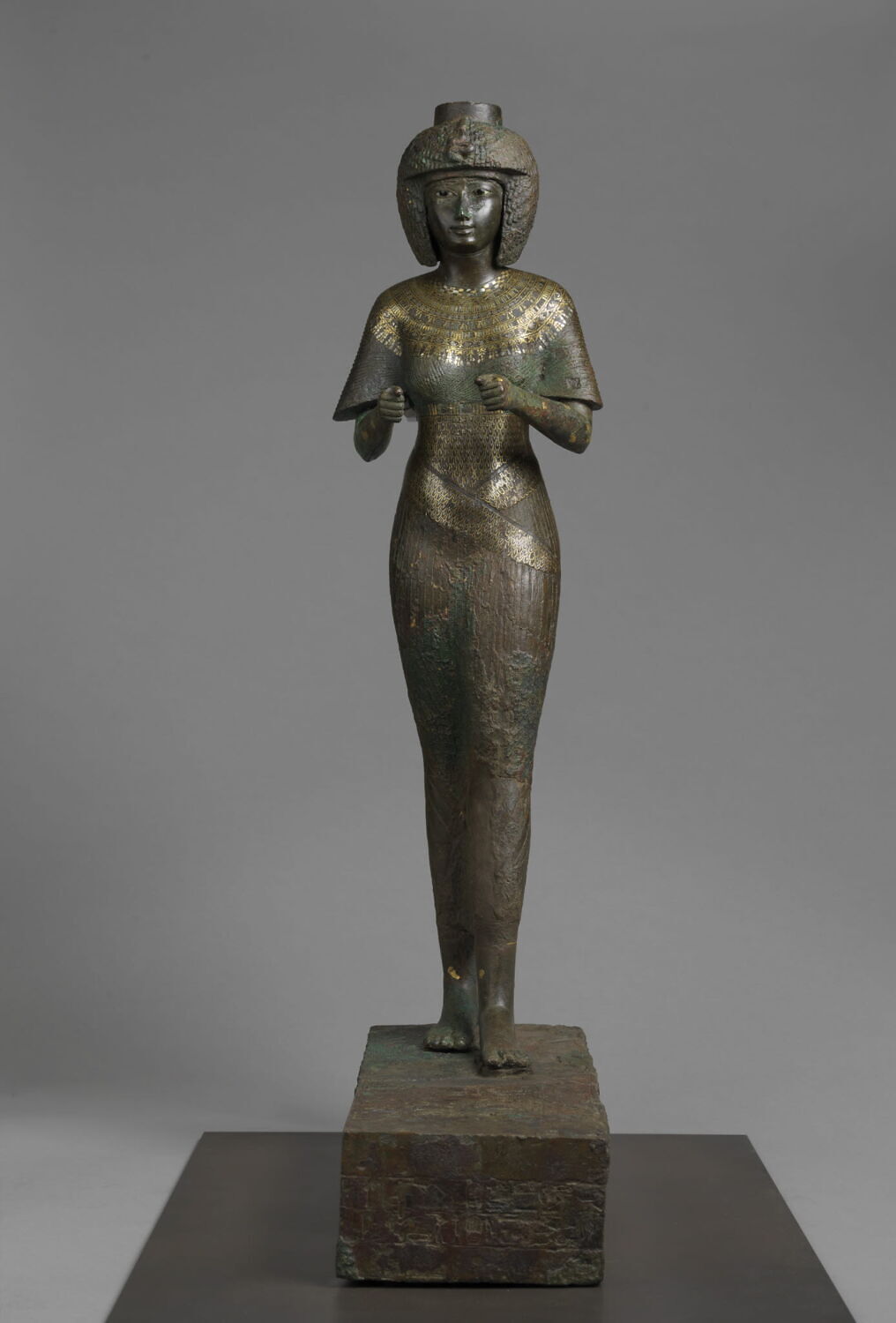
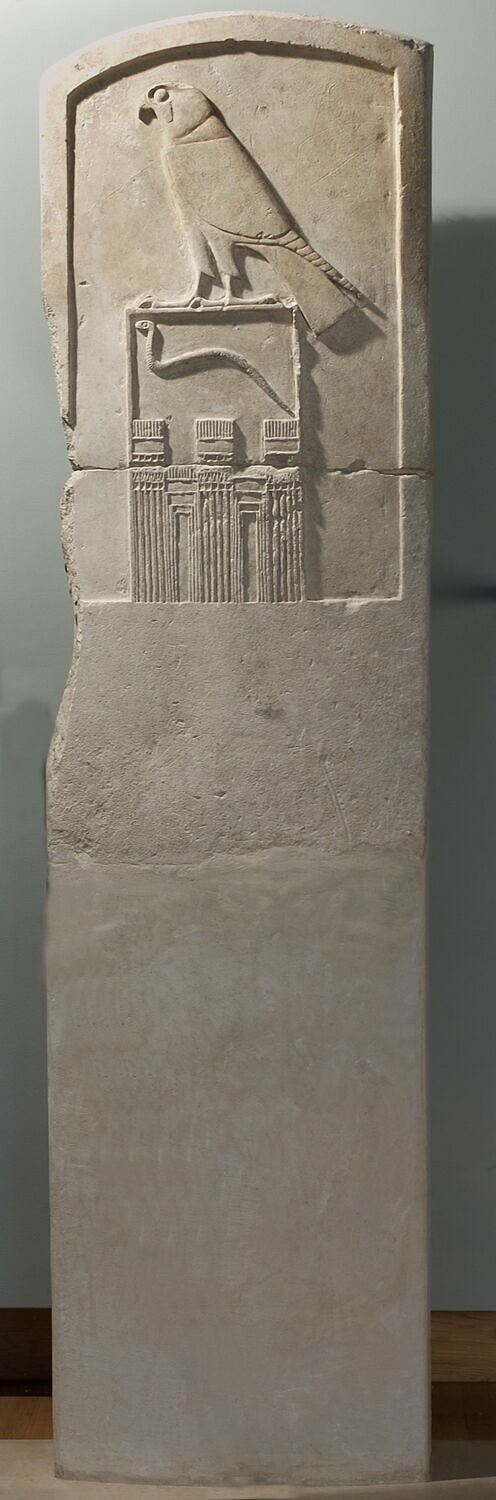
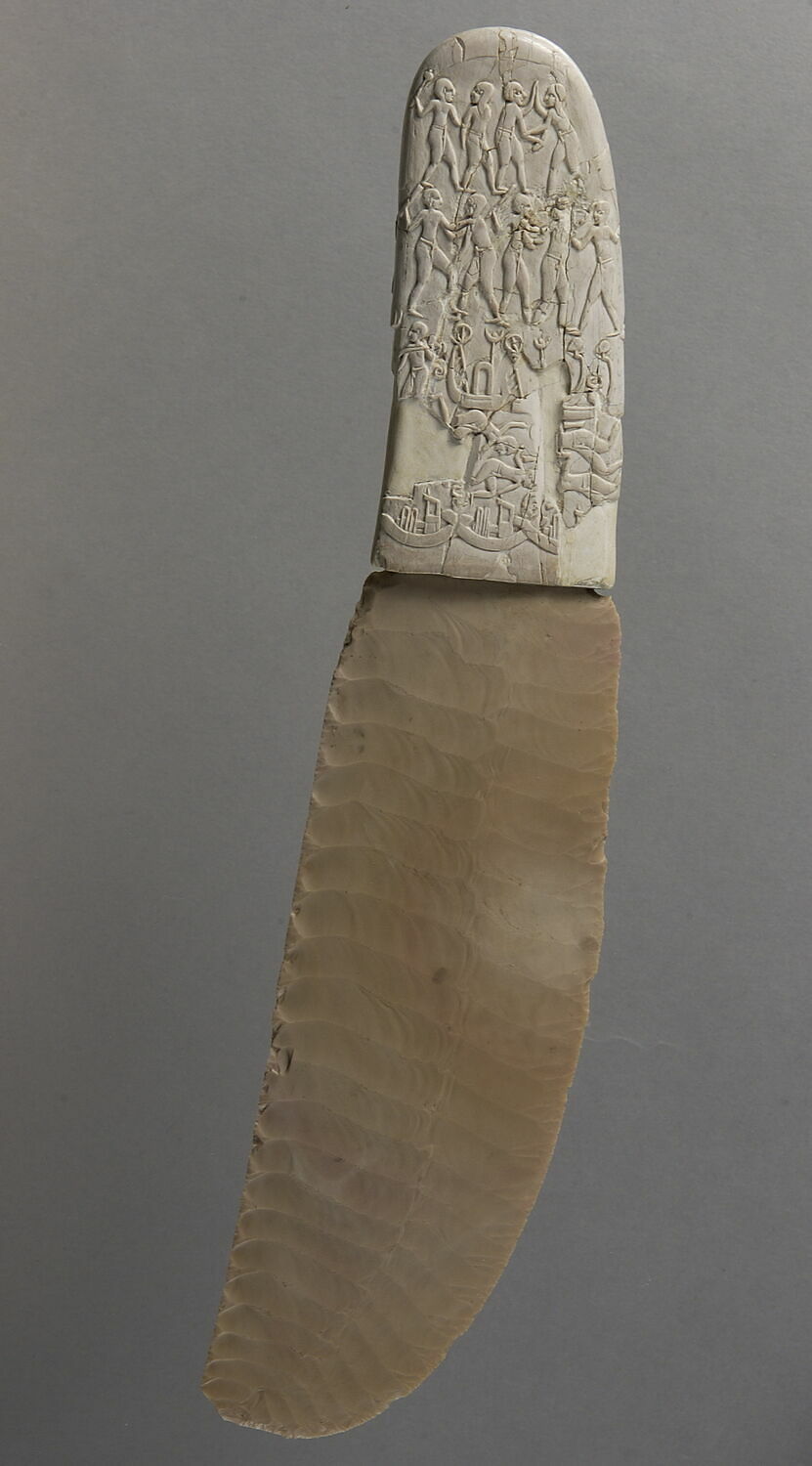
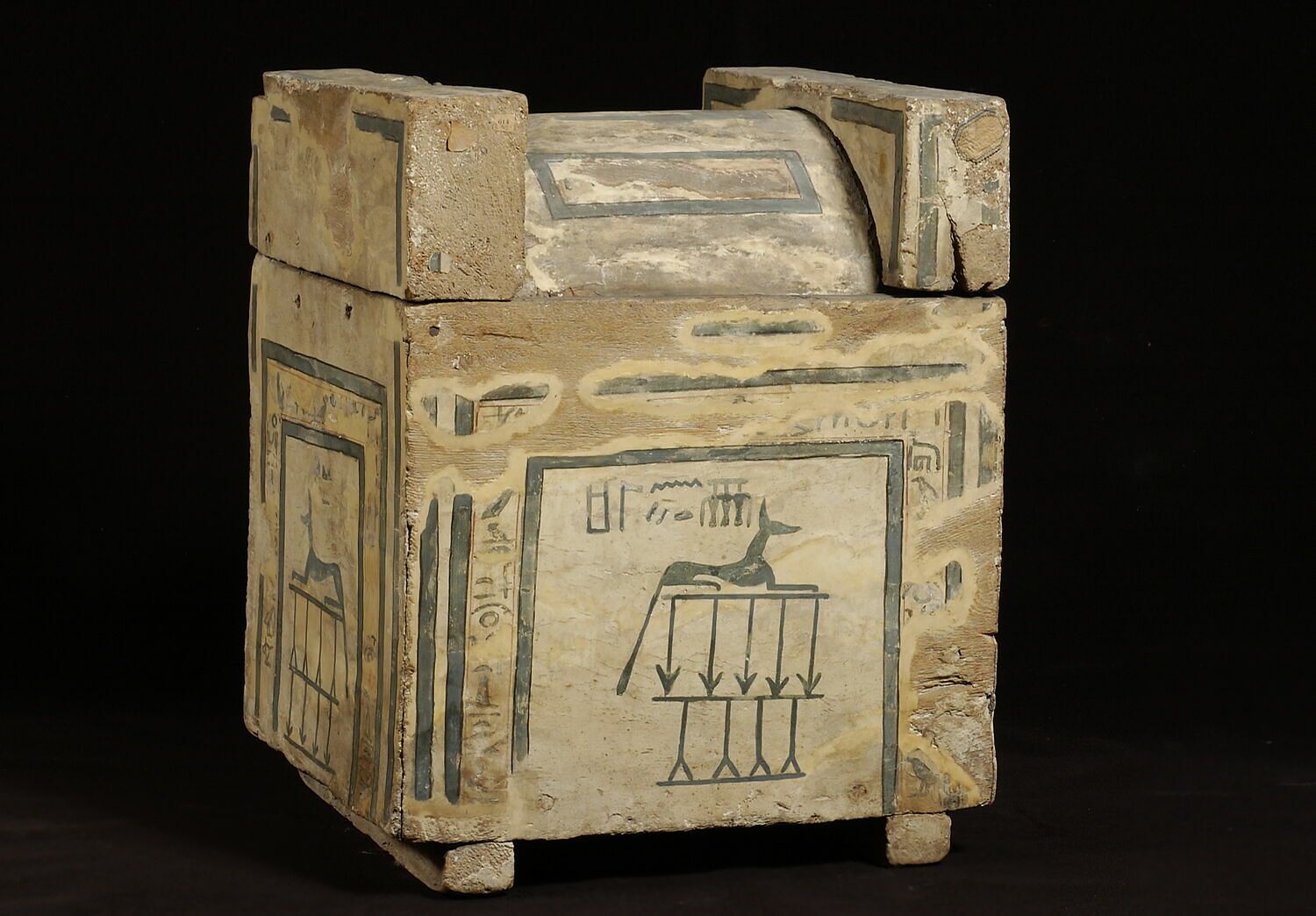
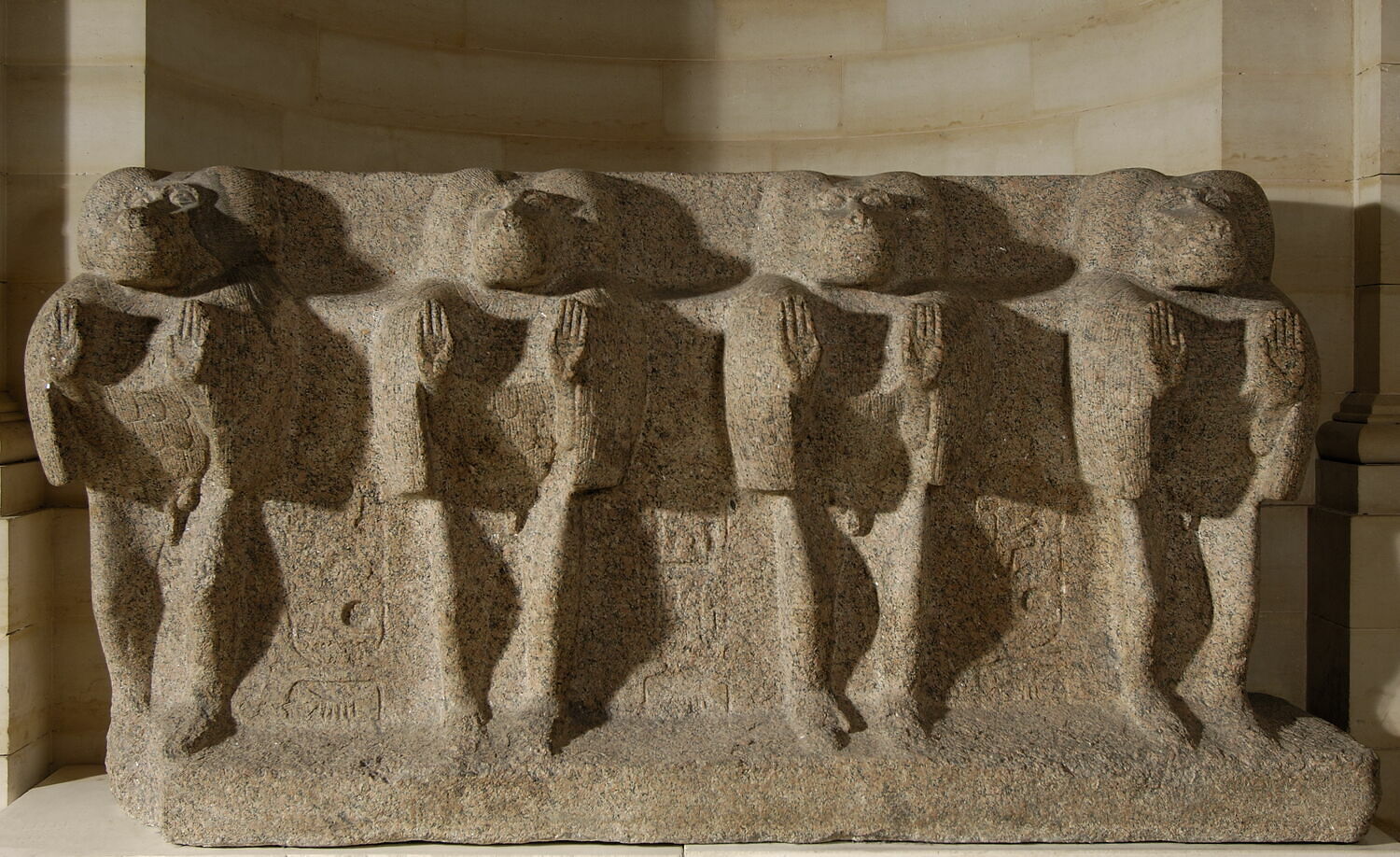
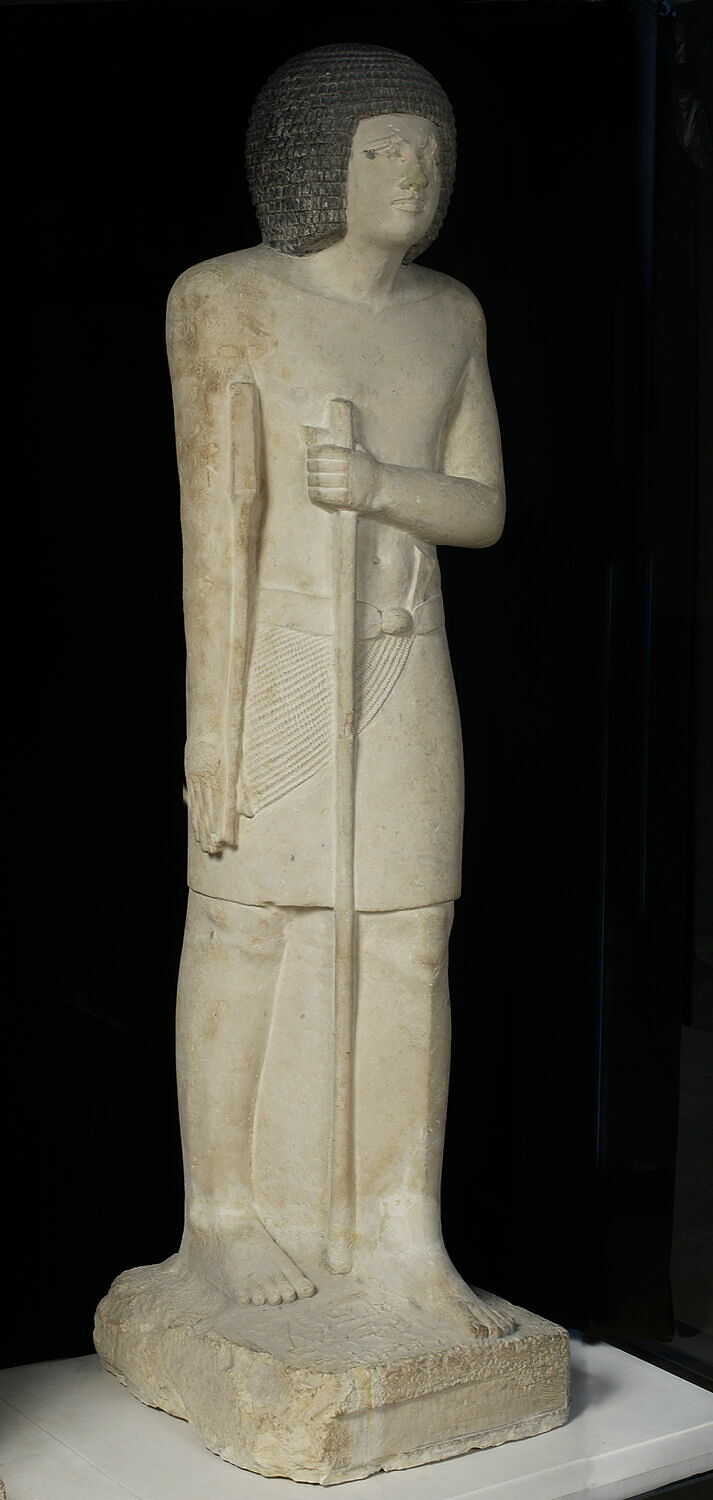
Statuary, papyri, funerary furnishings, and objects of daily life — pharaonic, Coptic, and Greco-Roman Egypt.
Decipherment and discovery: the foundation of scientific Egyptology.
he Louvre’s Egyptian collection expanded rapidly under Jean-François Champollion, appointed its founding curator in 1826 after his breakthrough decipherment of hieroglyphic script. Acquisitions were chosen specifically to demonstrate how text, statuary, and funerary architecture formed a unified theological system.
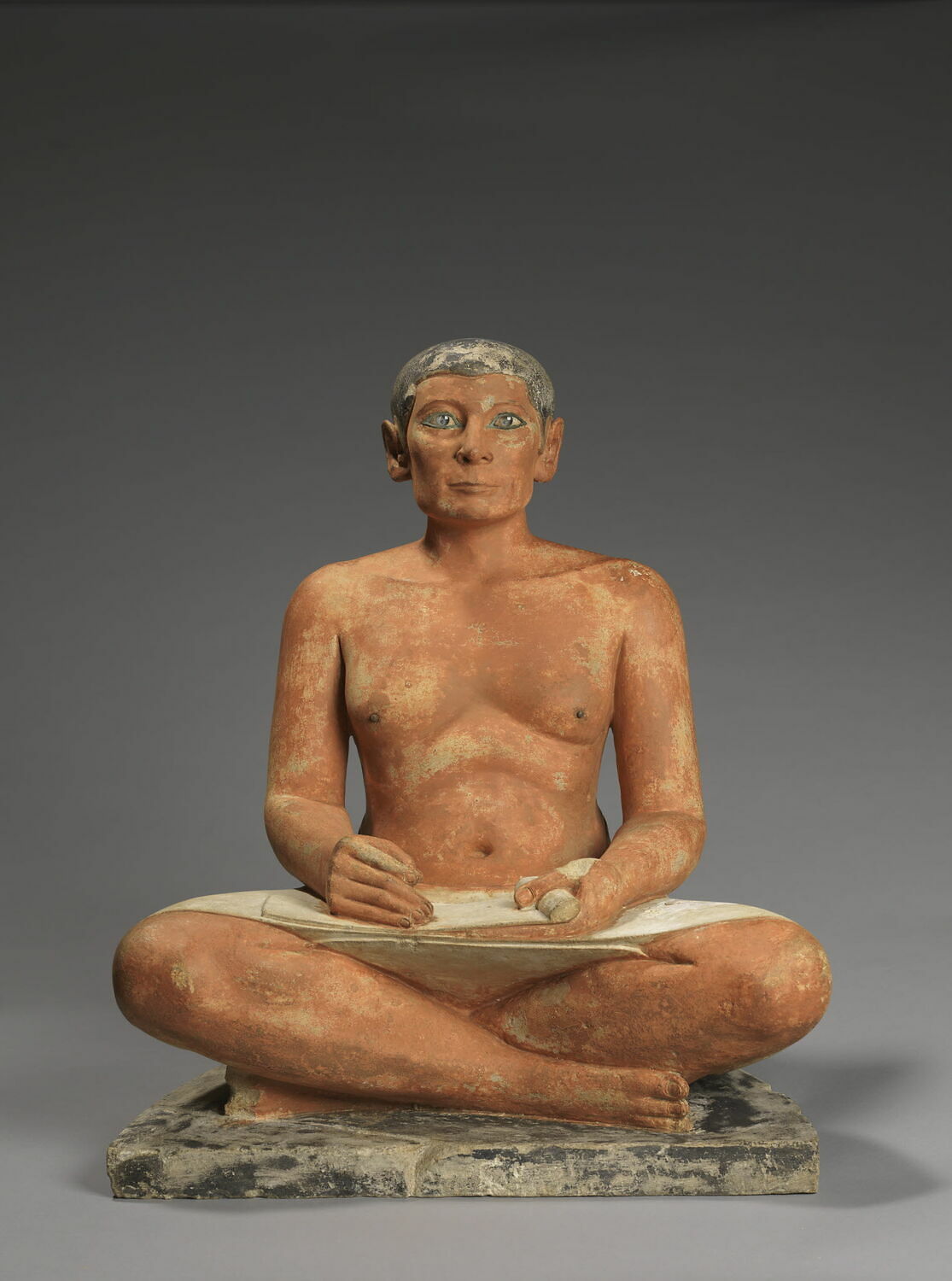
Highlights like the Old Kingdom Seated Scribe—with its startling inlaid magnesite and rock-crystal eyes—and the monumental Great Sphinx of Tanis reveal the political and spiritual realities of dynastic Egypt. Beyond royal portraiture, the galleries document administrative hierarchies, domestic tools, and funerary papyri designed to guide souls through the underworld.