Musée du Louvre
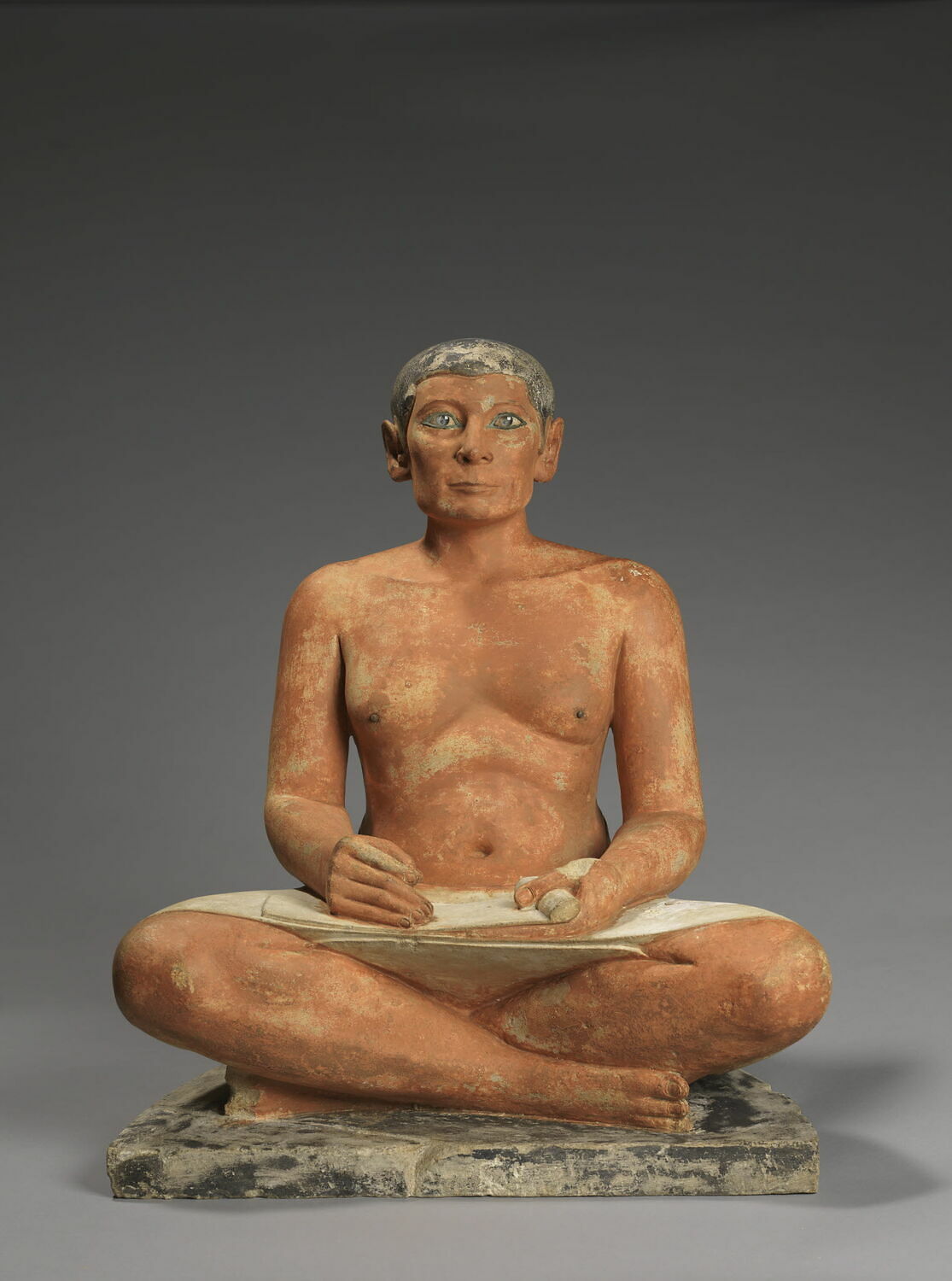
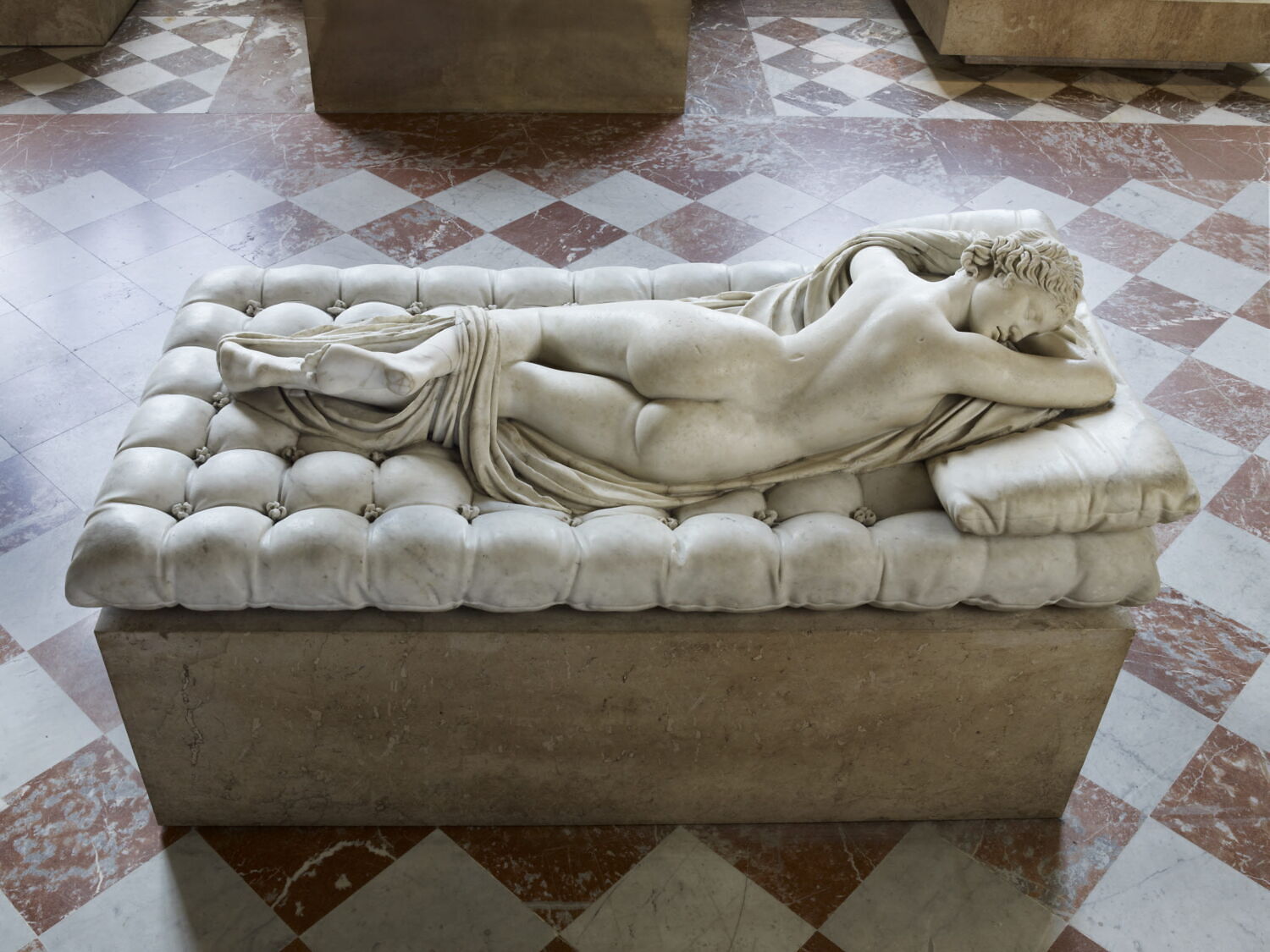
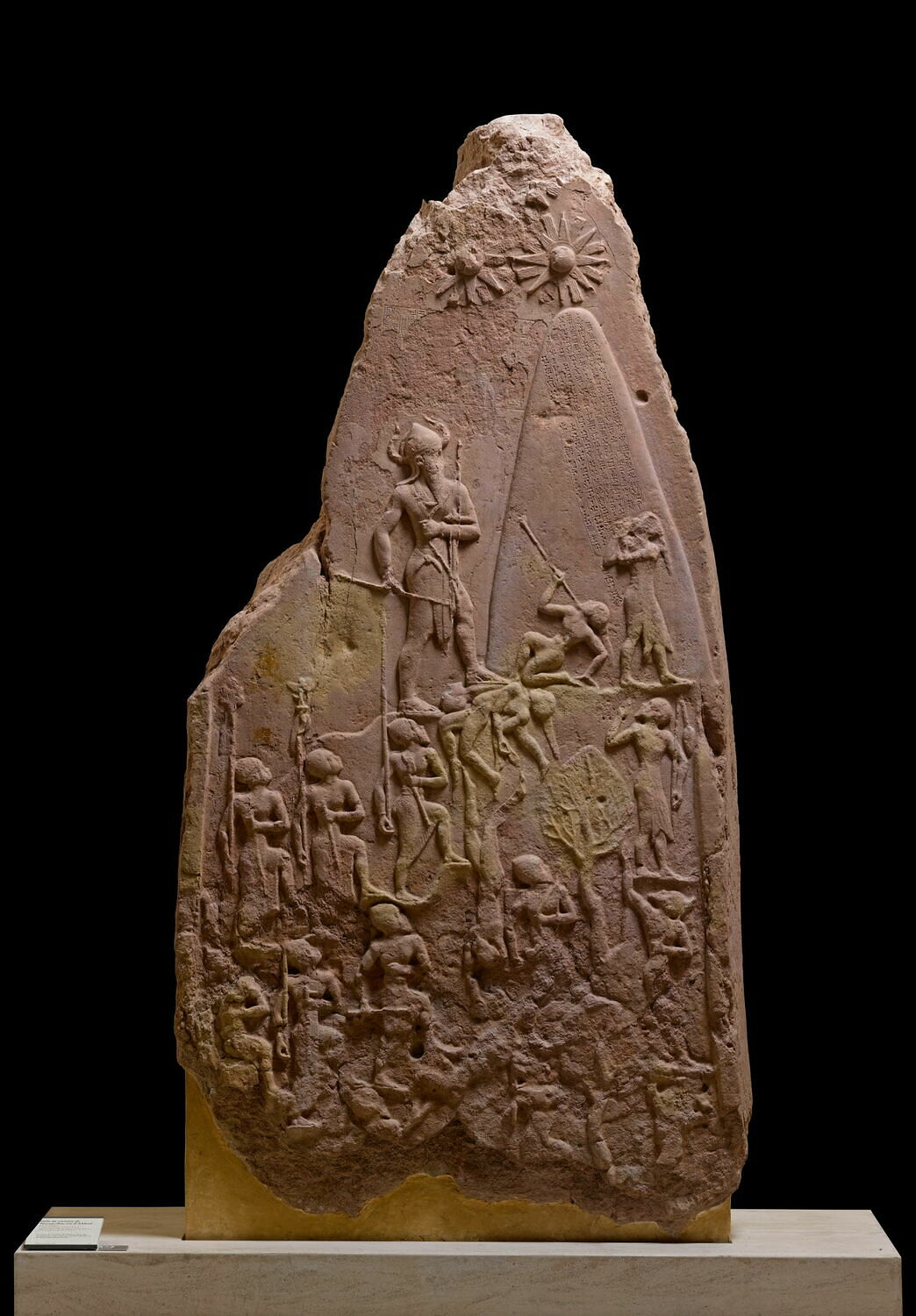
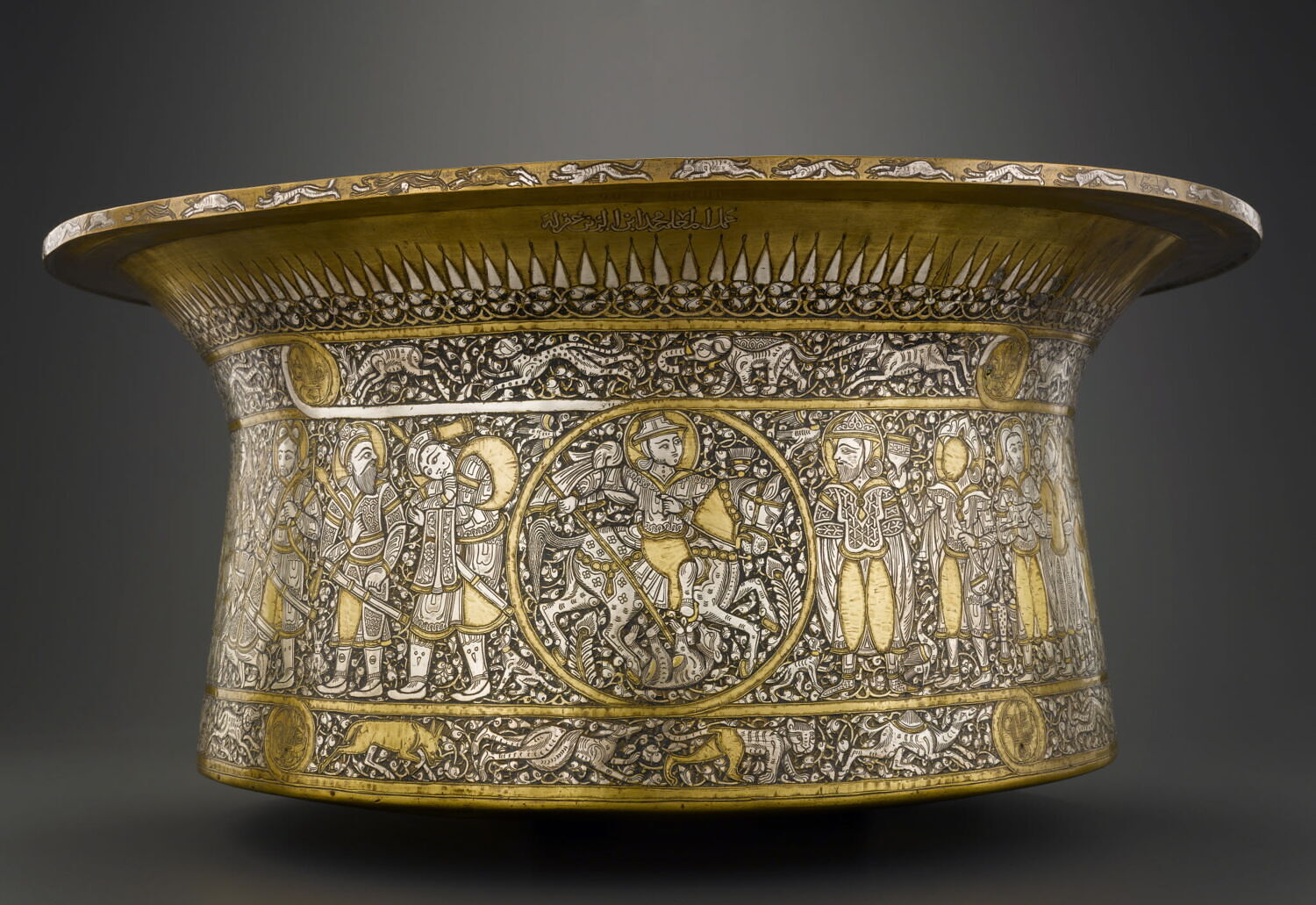
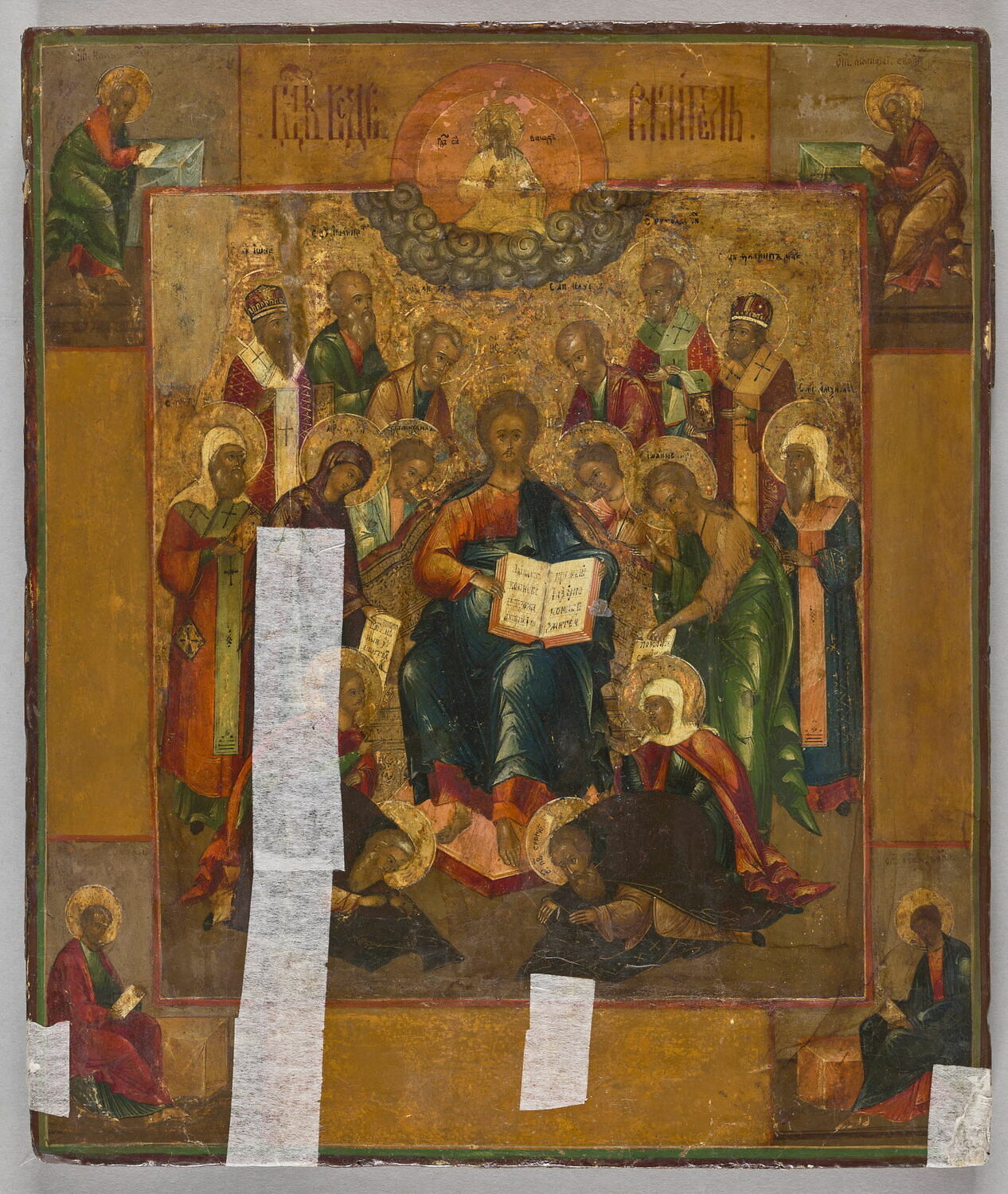
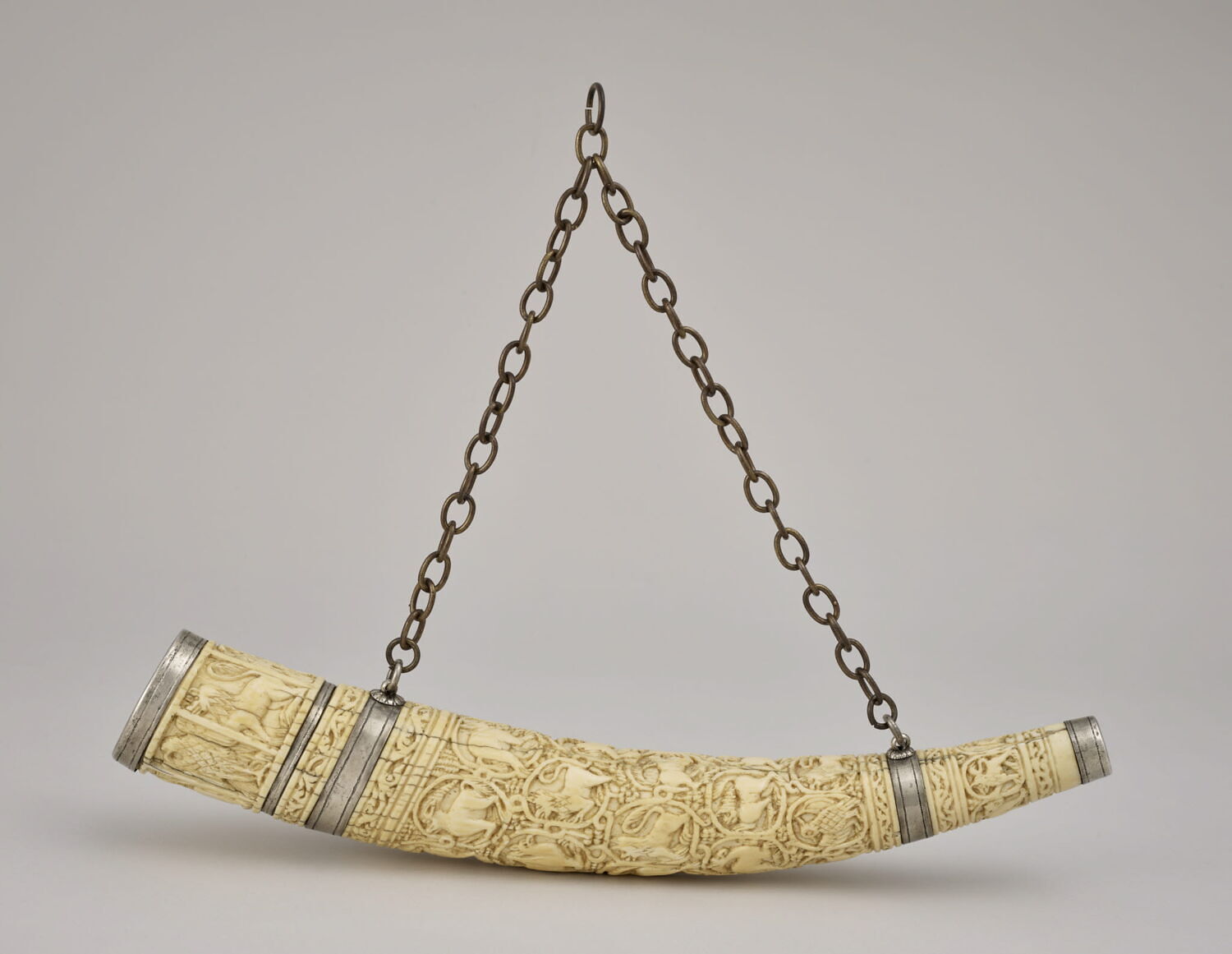
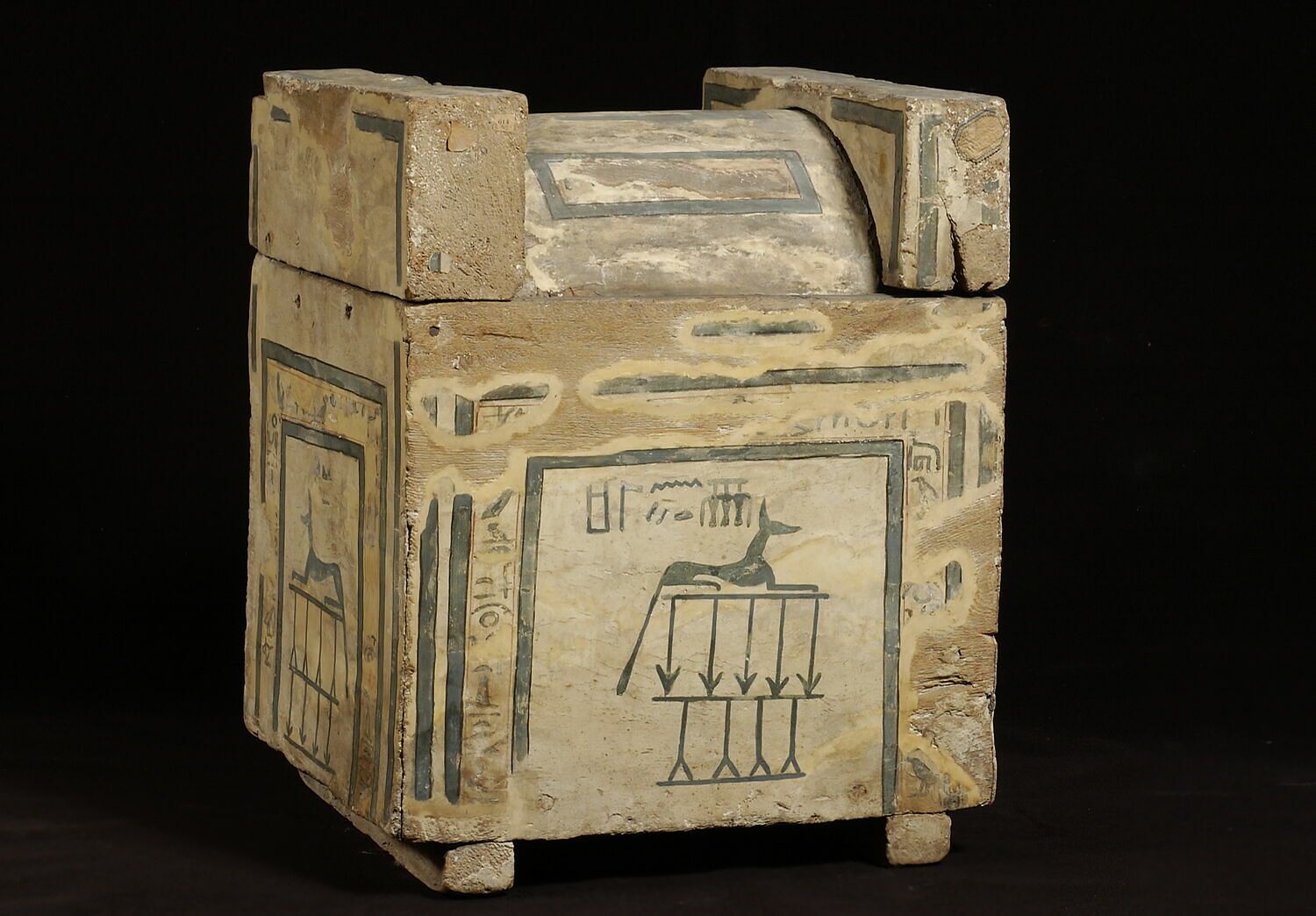
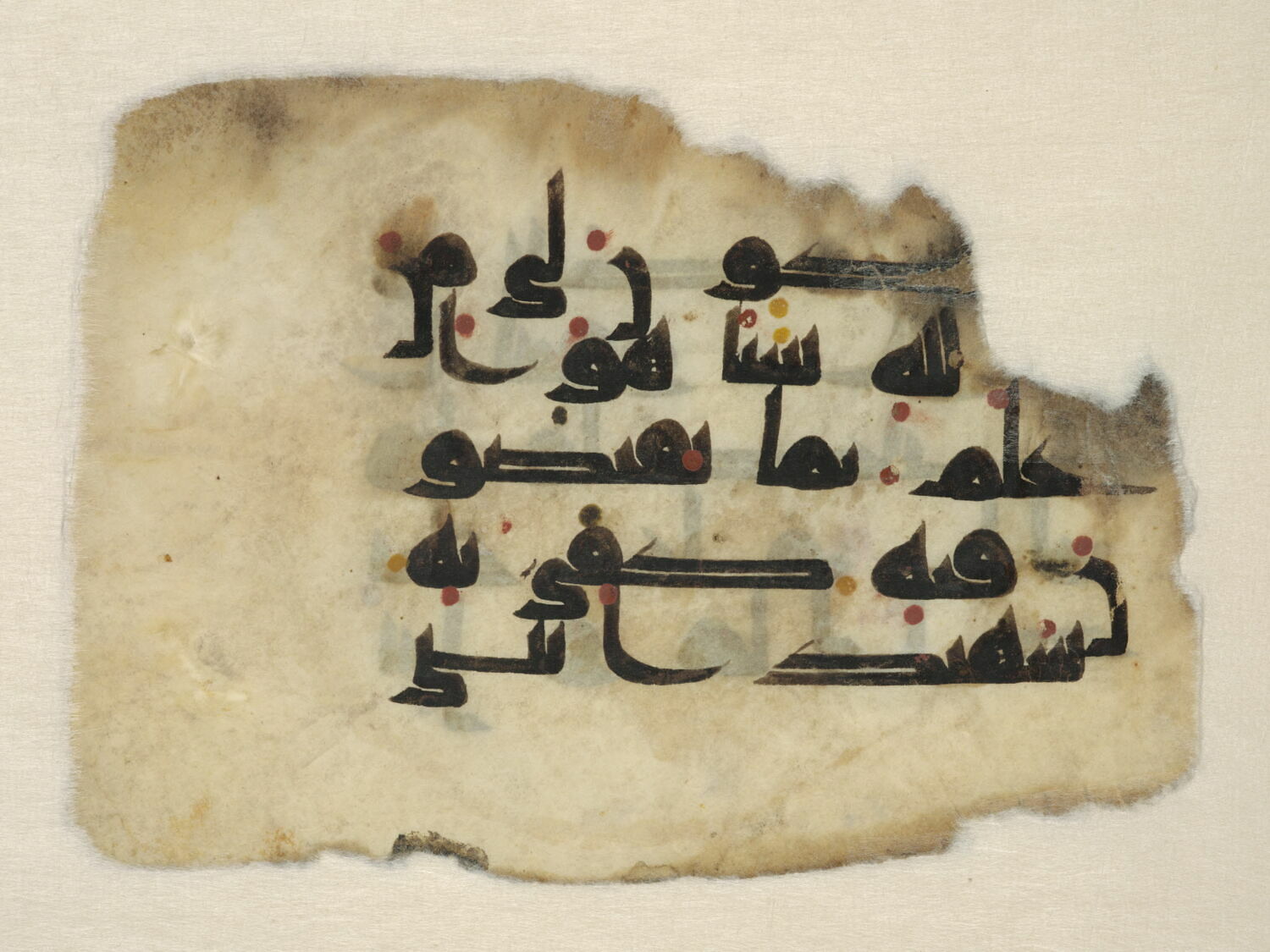
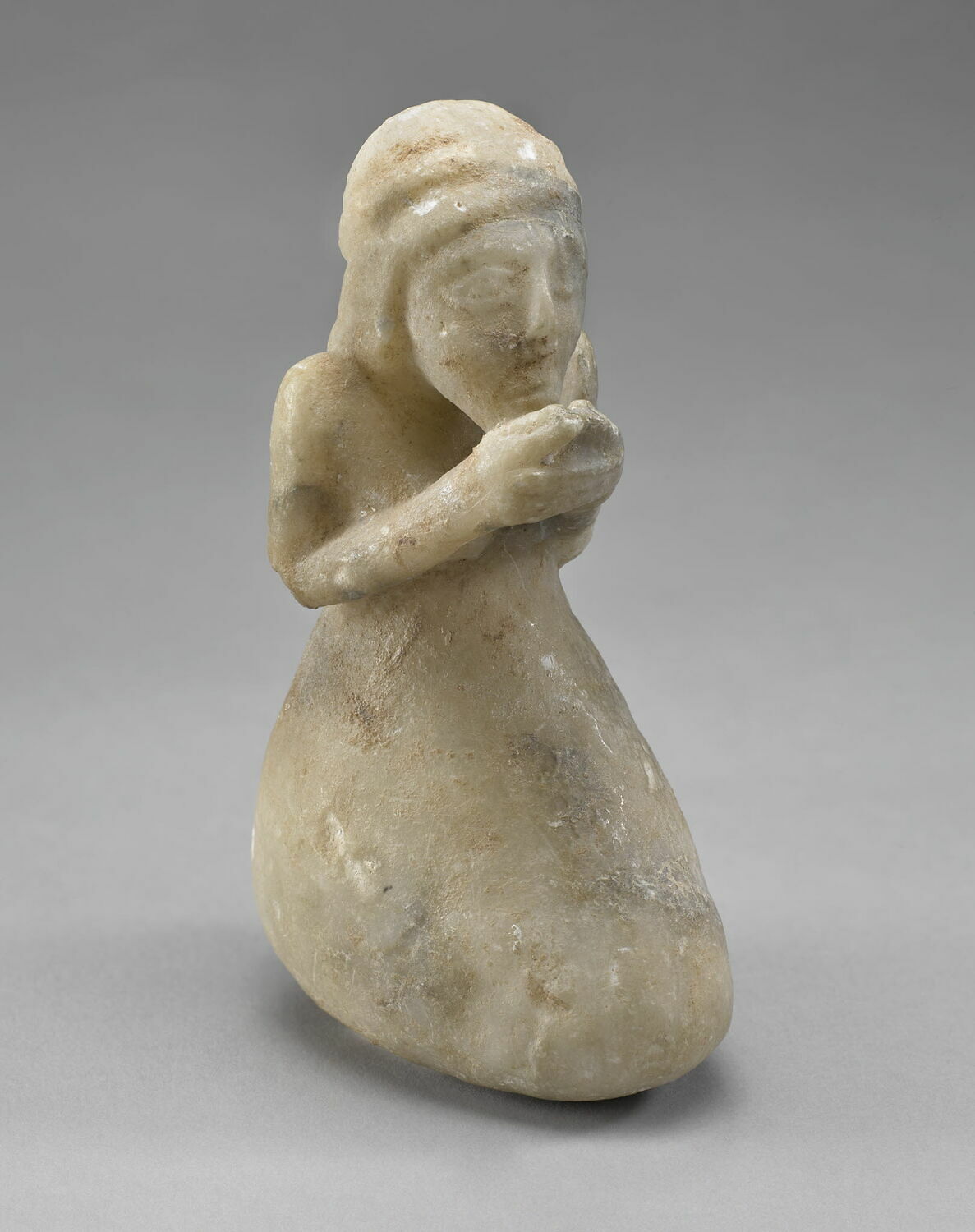
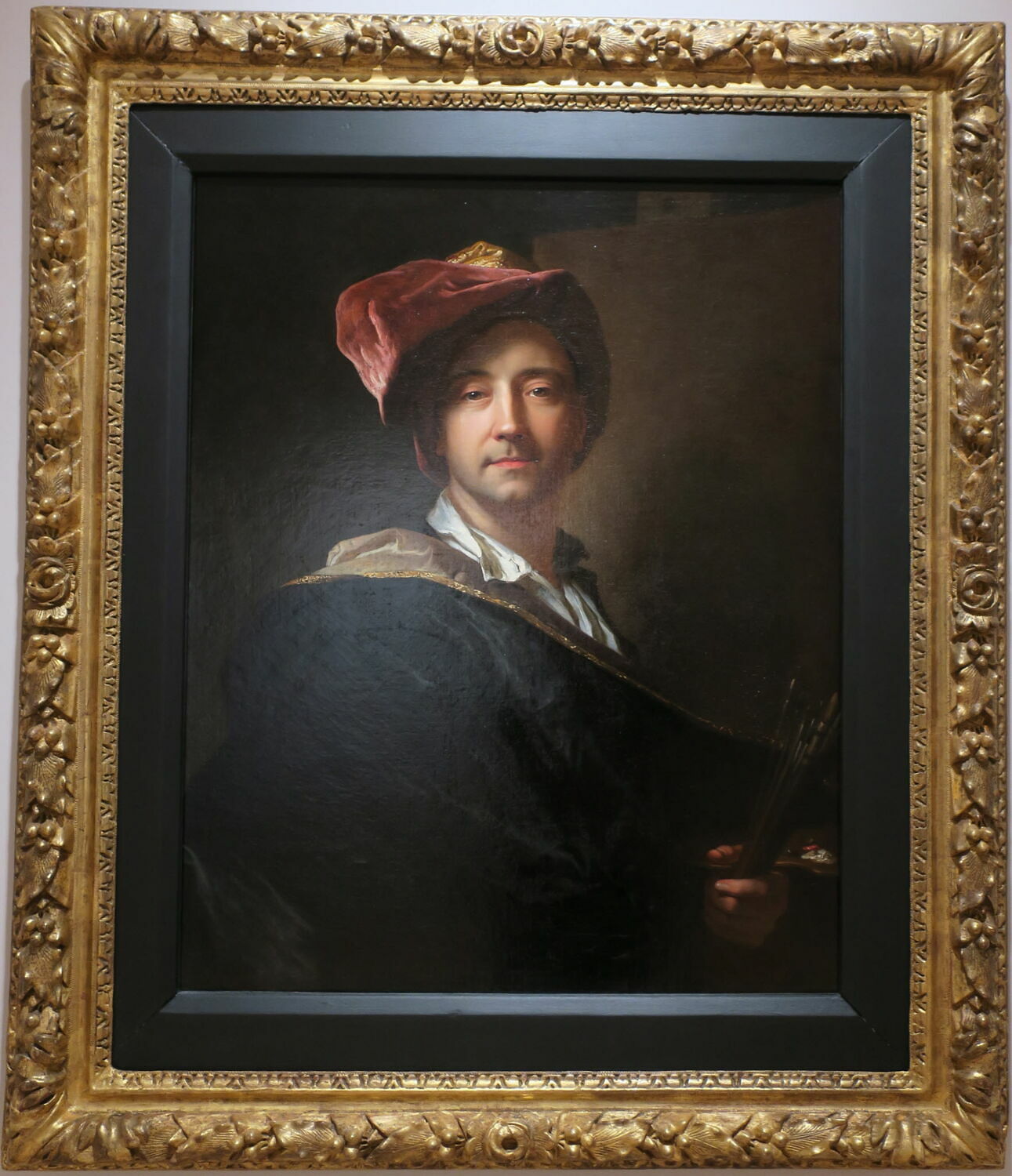
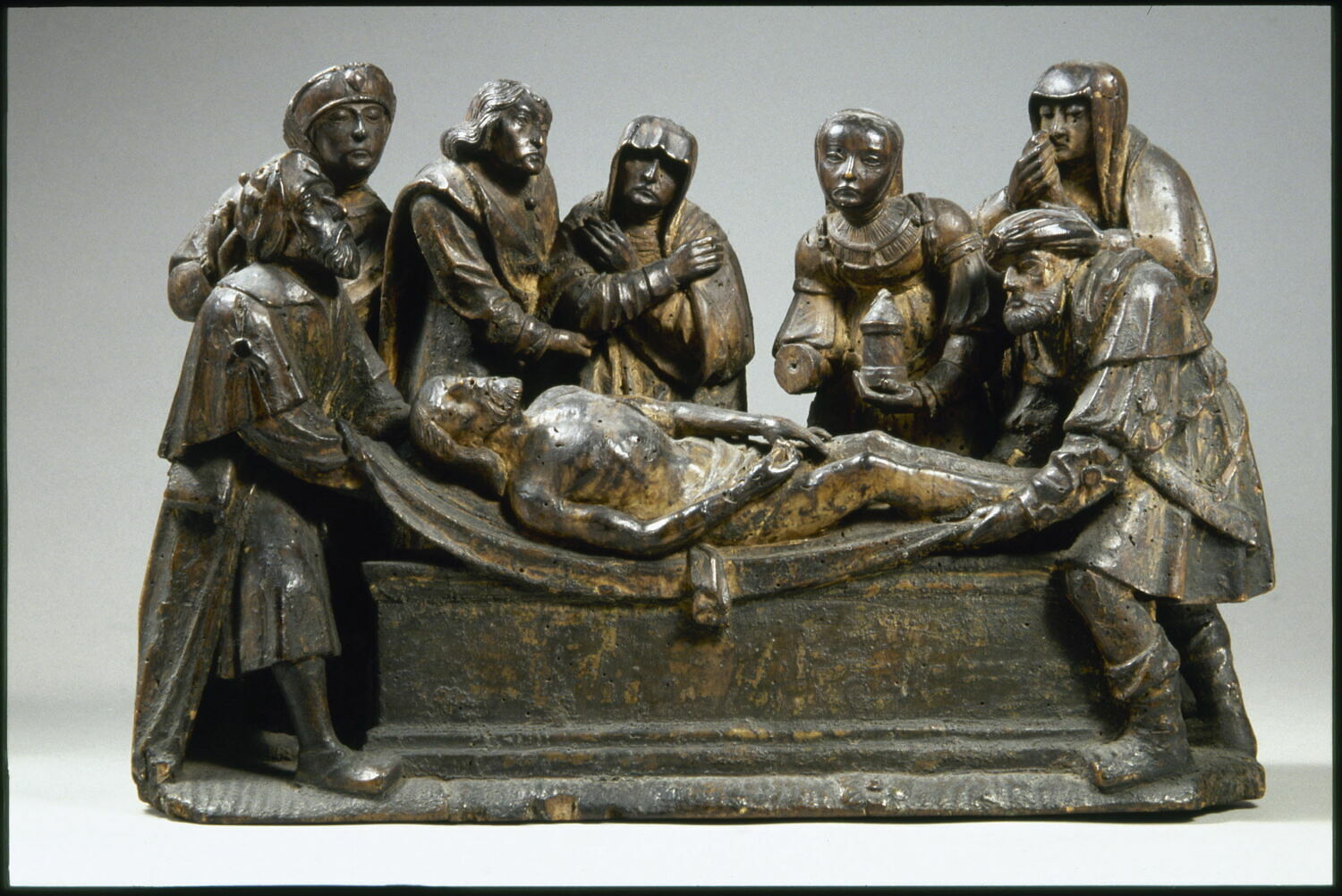
Egyptian antiquities, Mesopotamian reliefs, Renaissance paintings, and royal decorative arts gathered across eight centuries in the palace of the French kings.
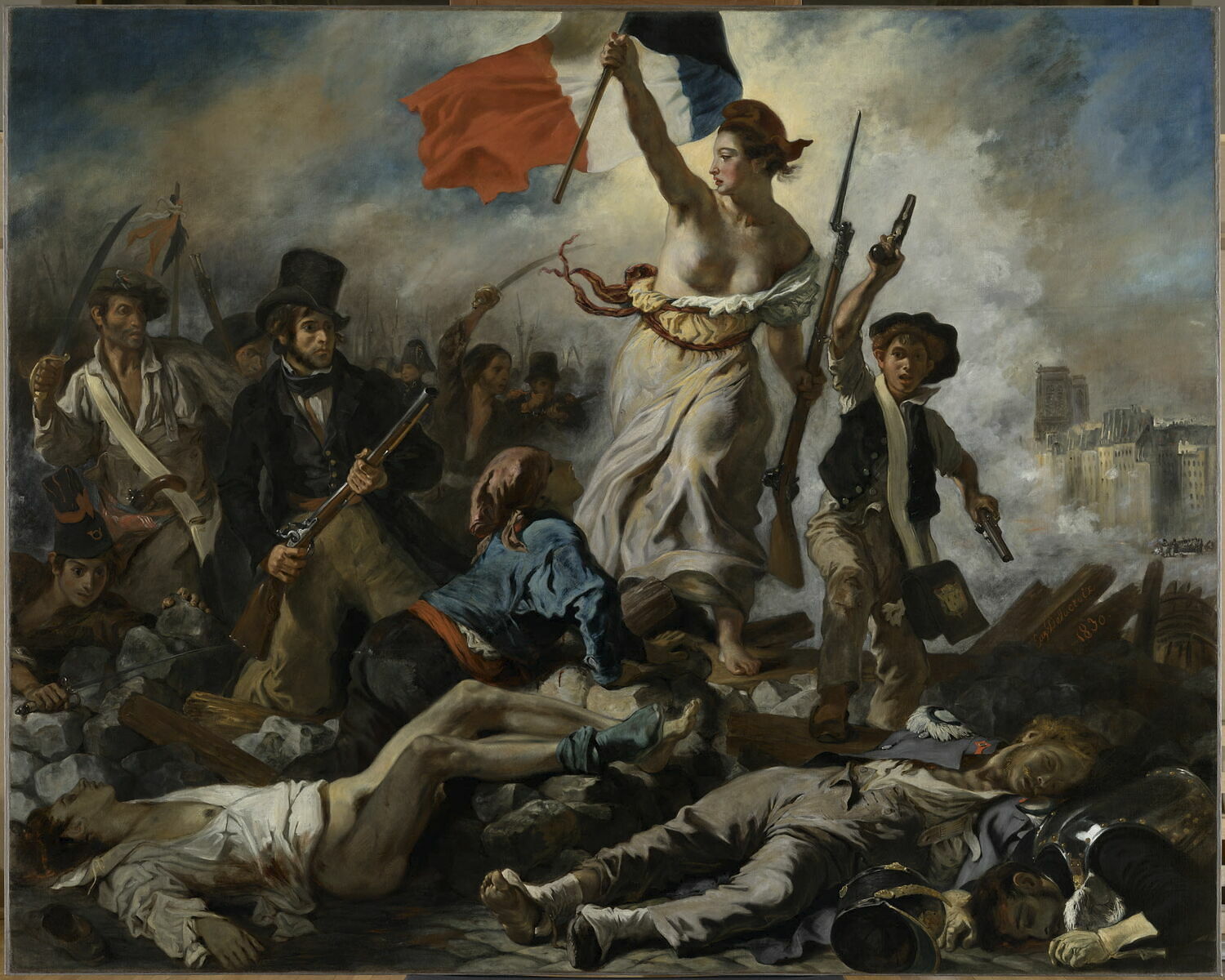
A royal palace that became the museum.
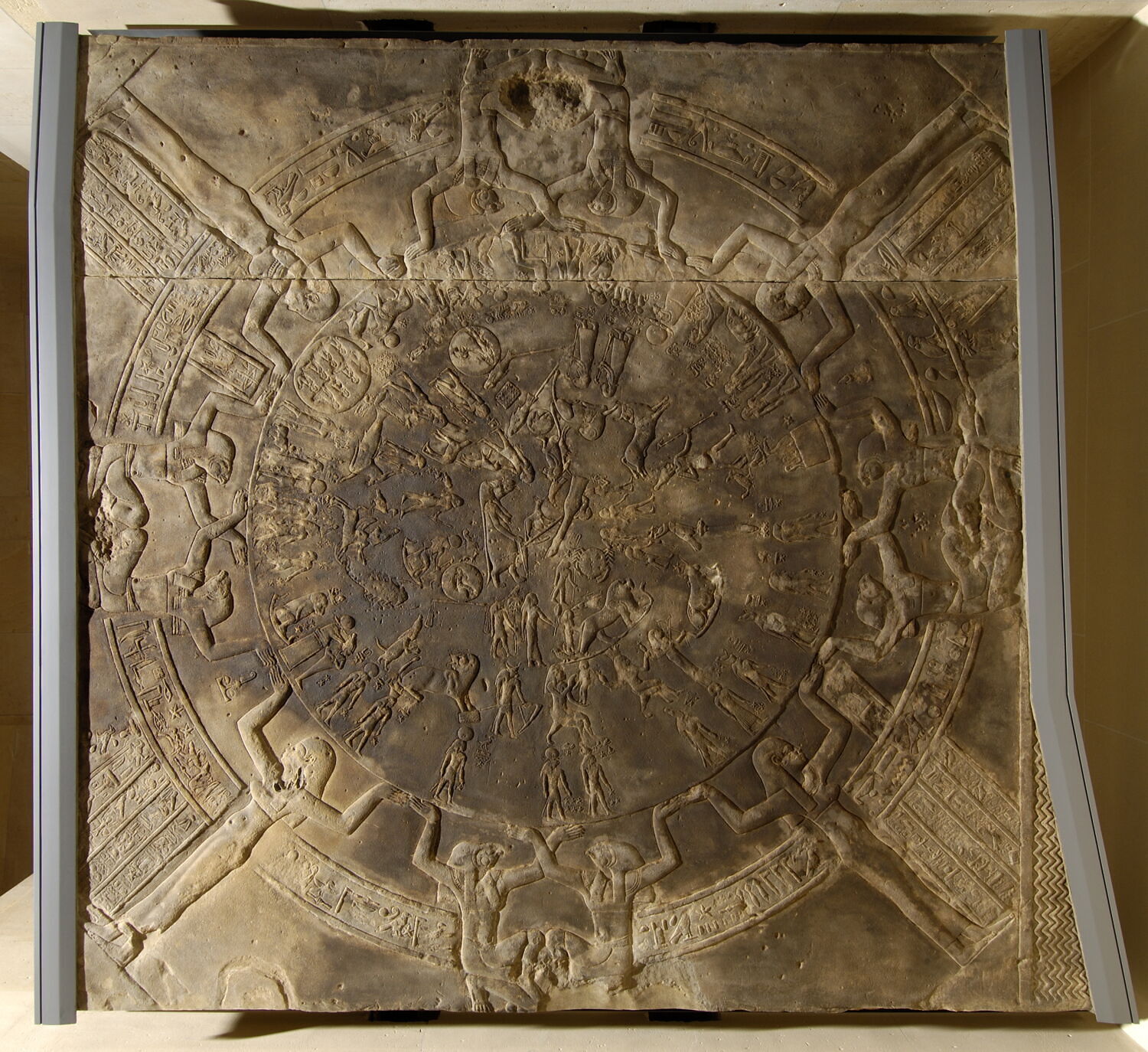
he Louvre opened to the public in 1793, a year after the monarchy fell, taking over the palace its kings had built and the collections they had assembled. What had been the private taste of the French crown — Italian masters bought by François I, antiquities sent home by Napoleon's commissions — was, in a single revolutionary stroke, declared the property of the nation.
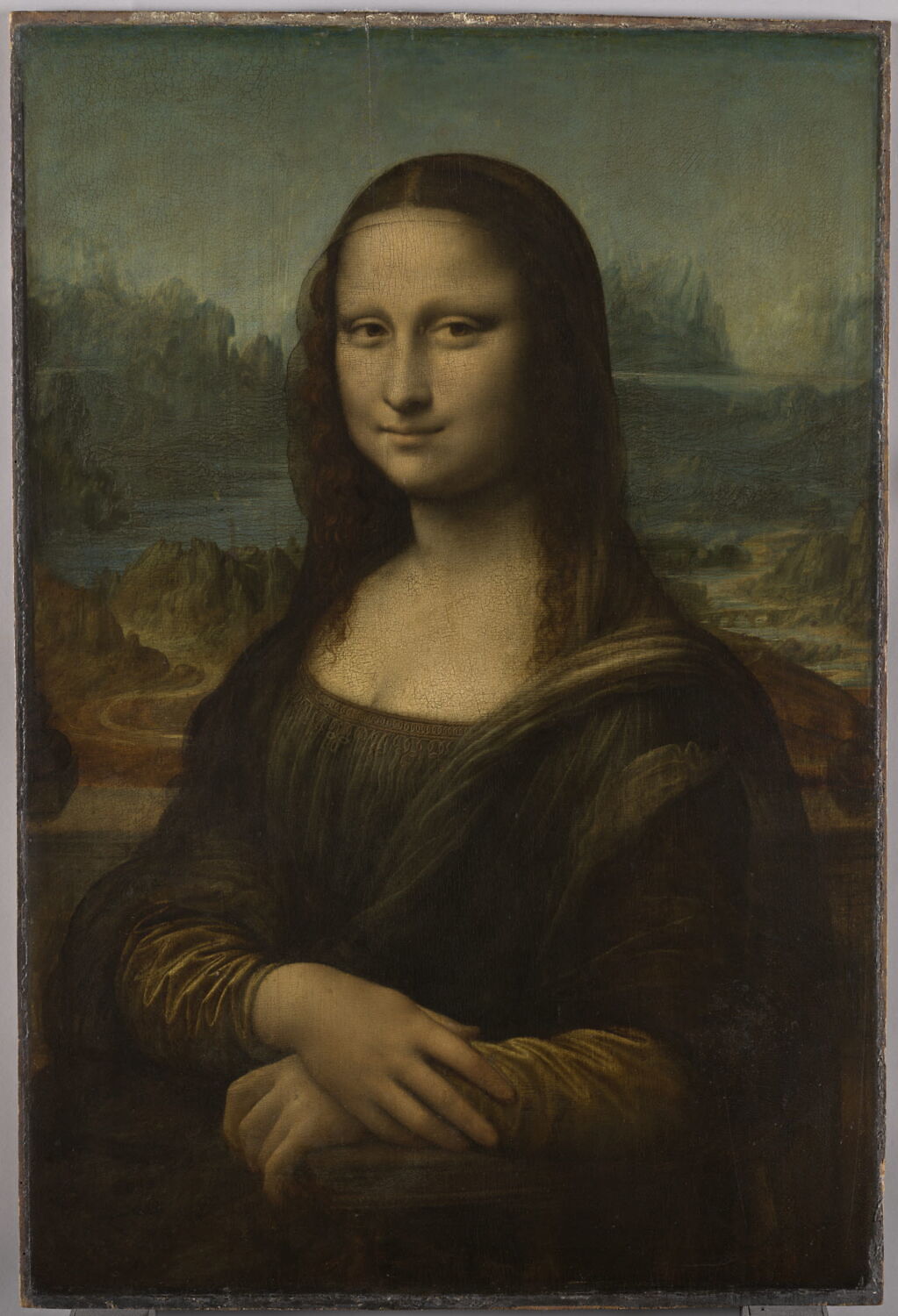
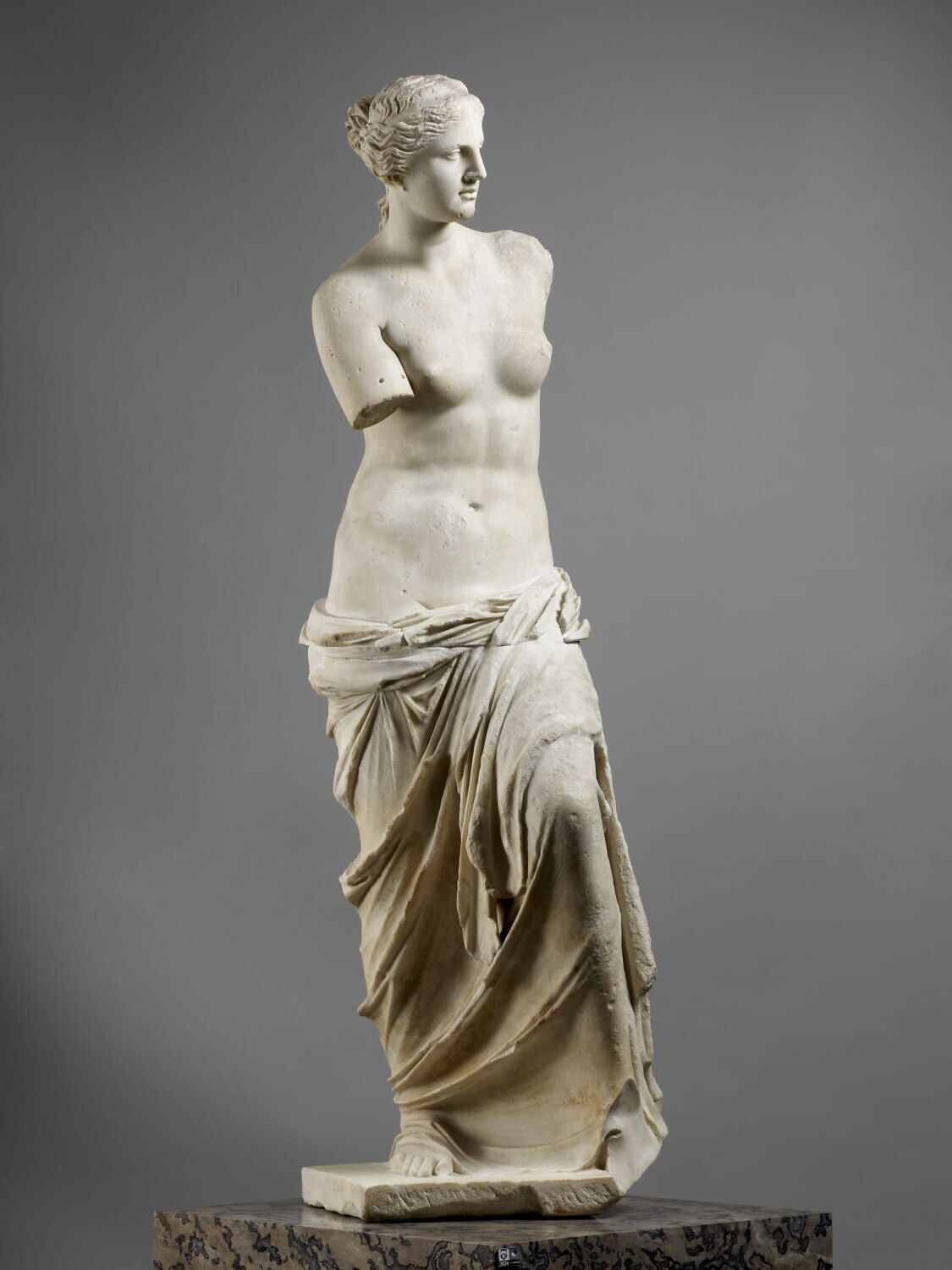
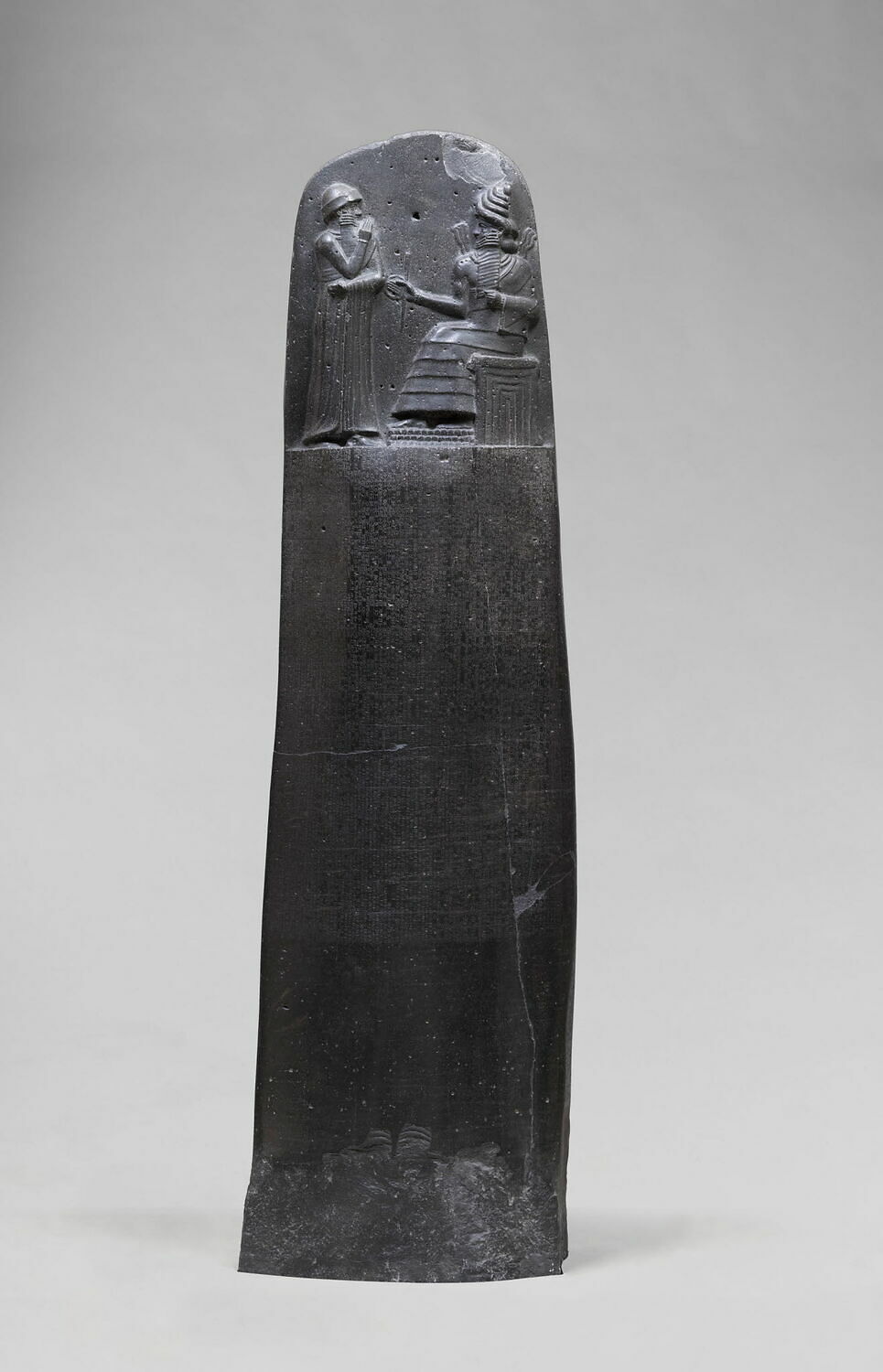
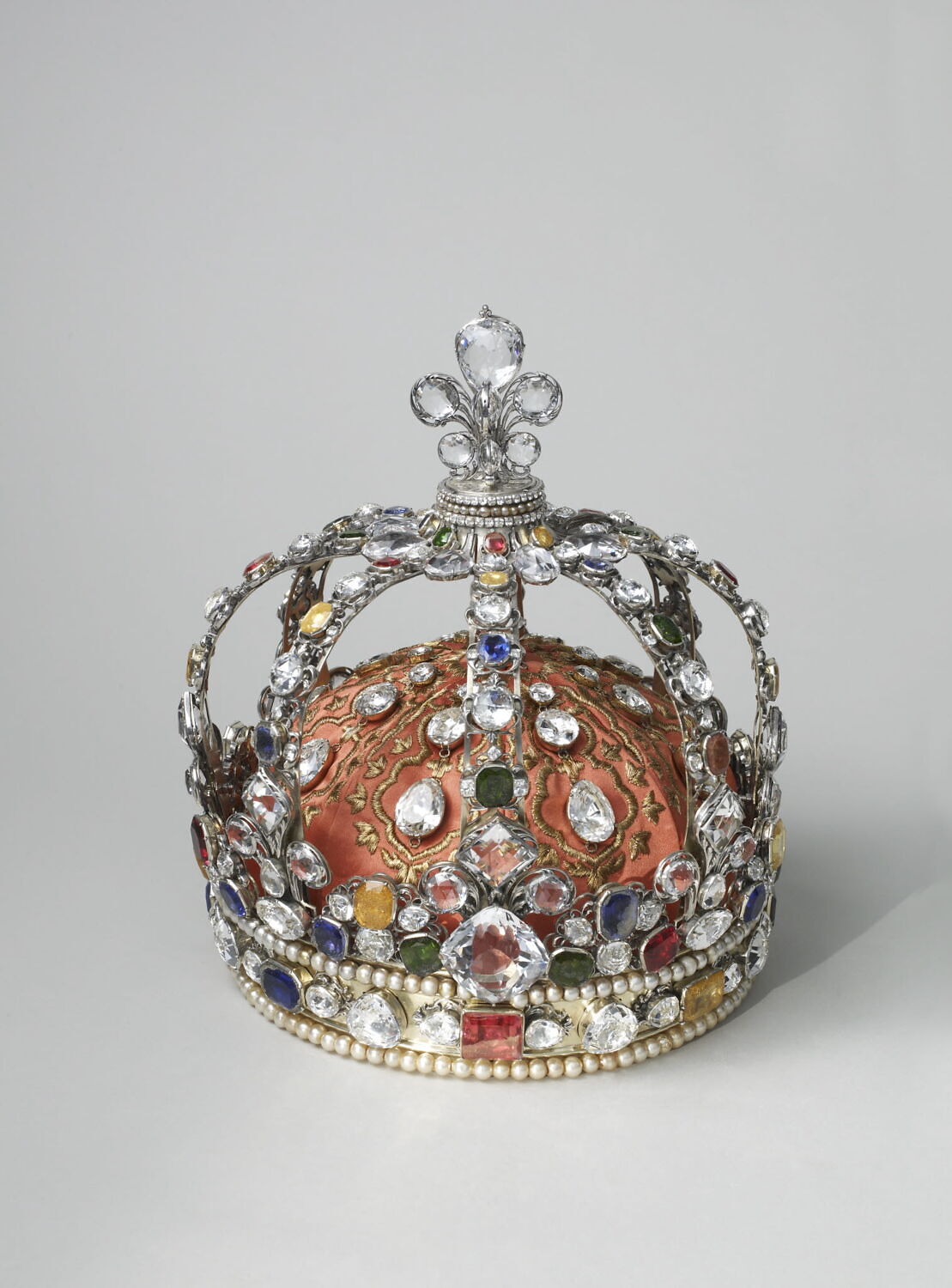
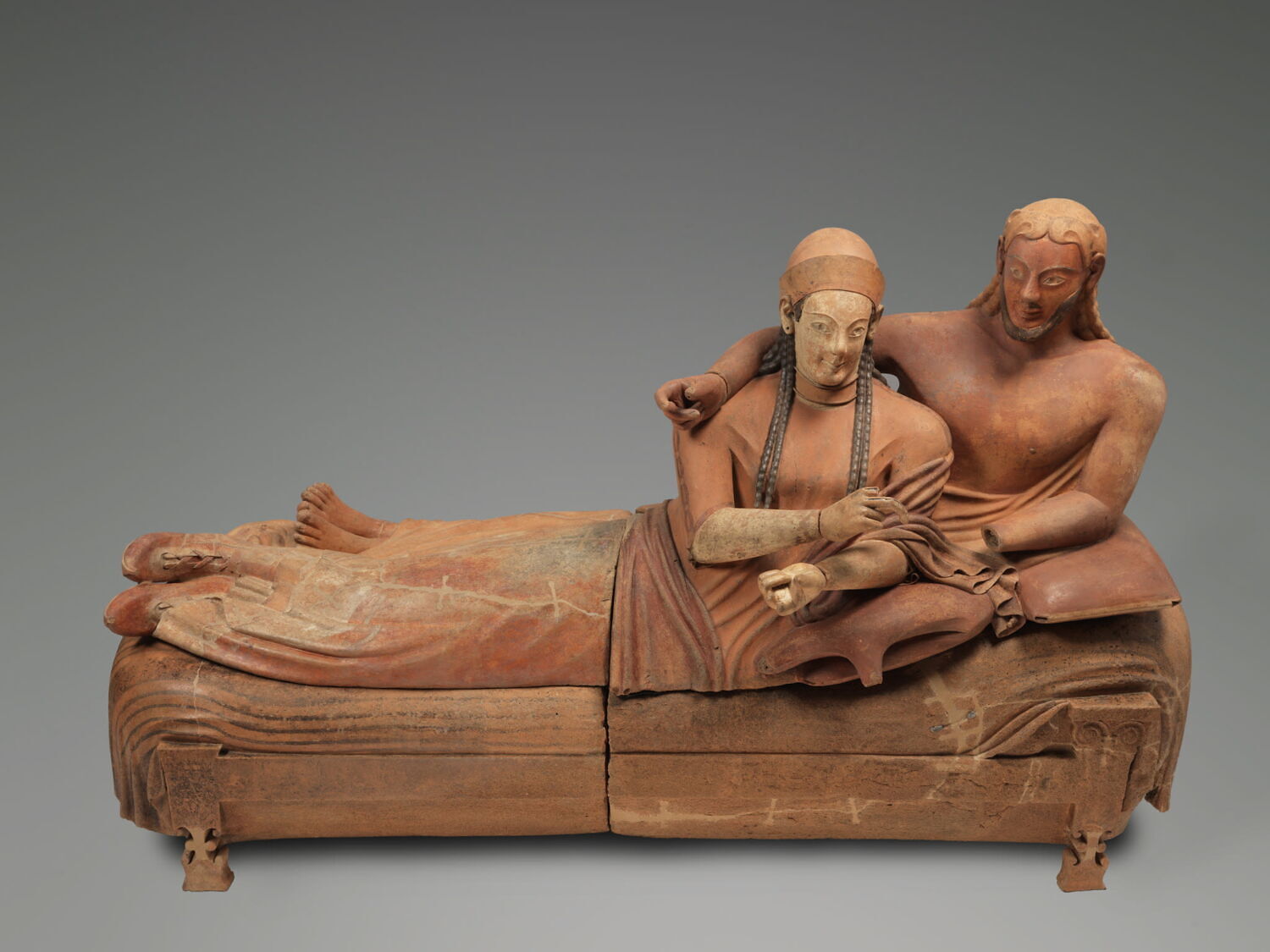
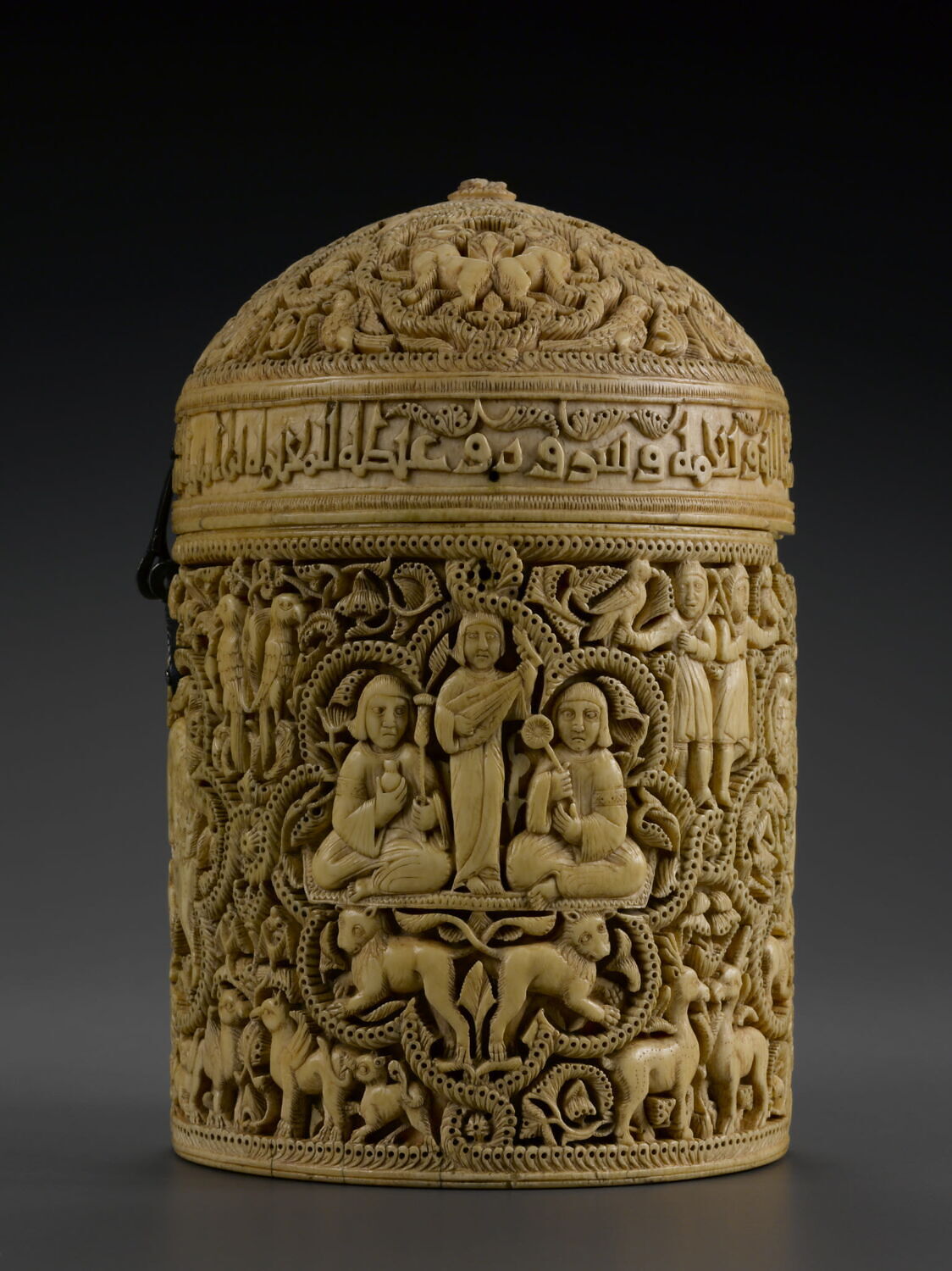
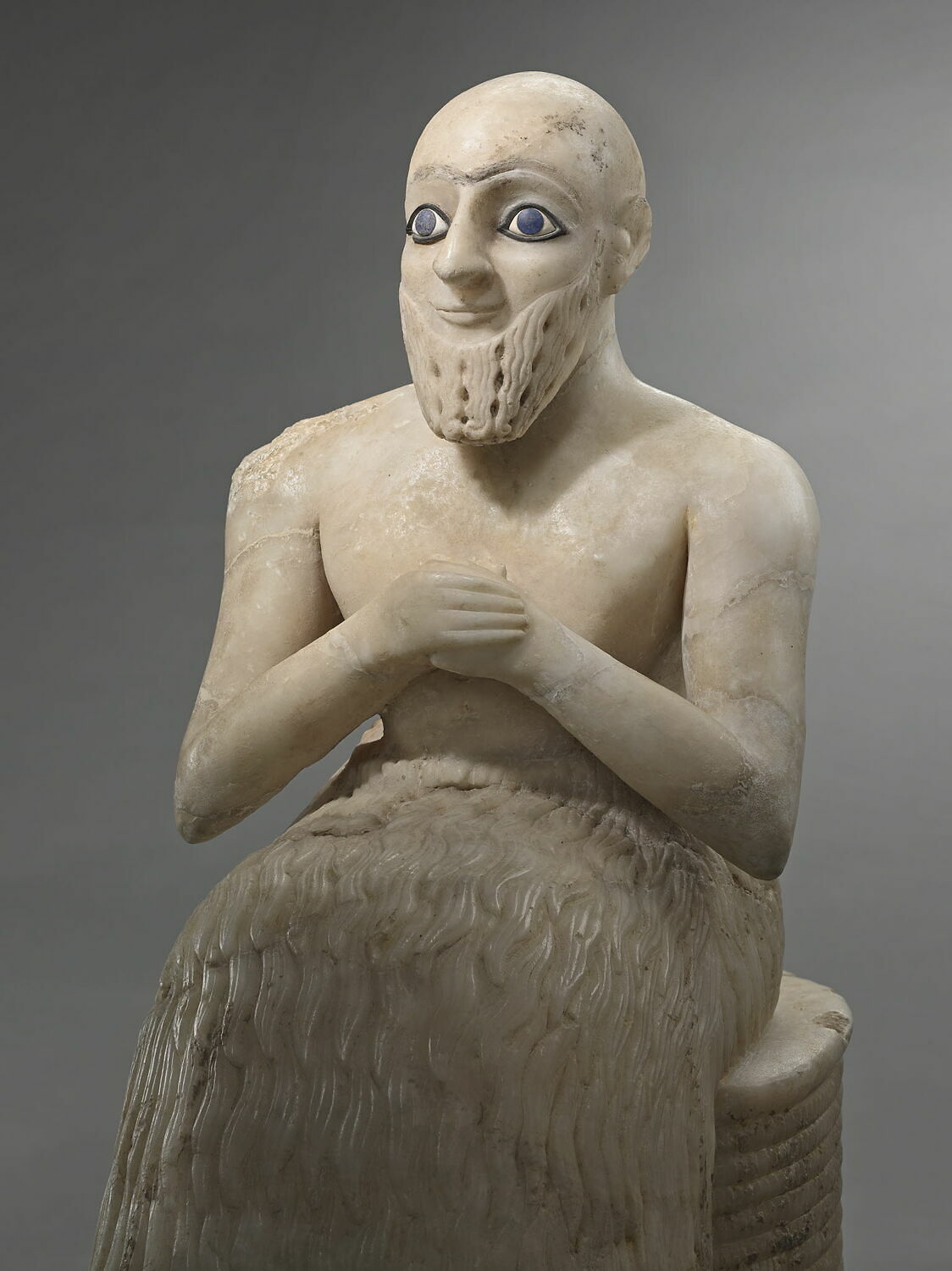
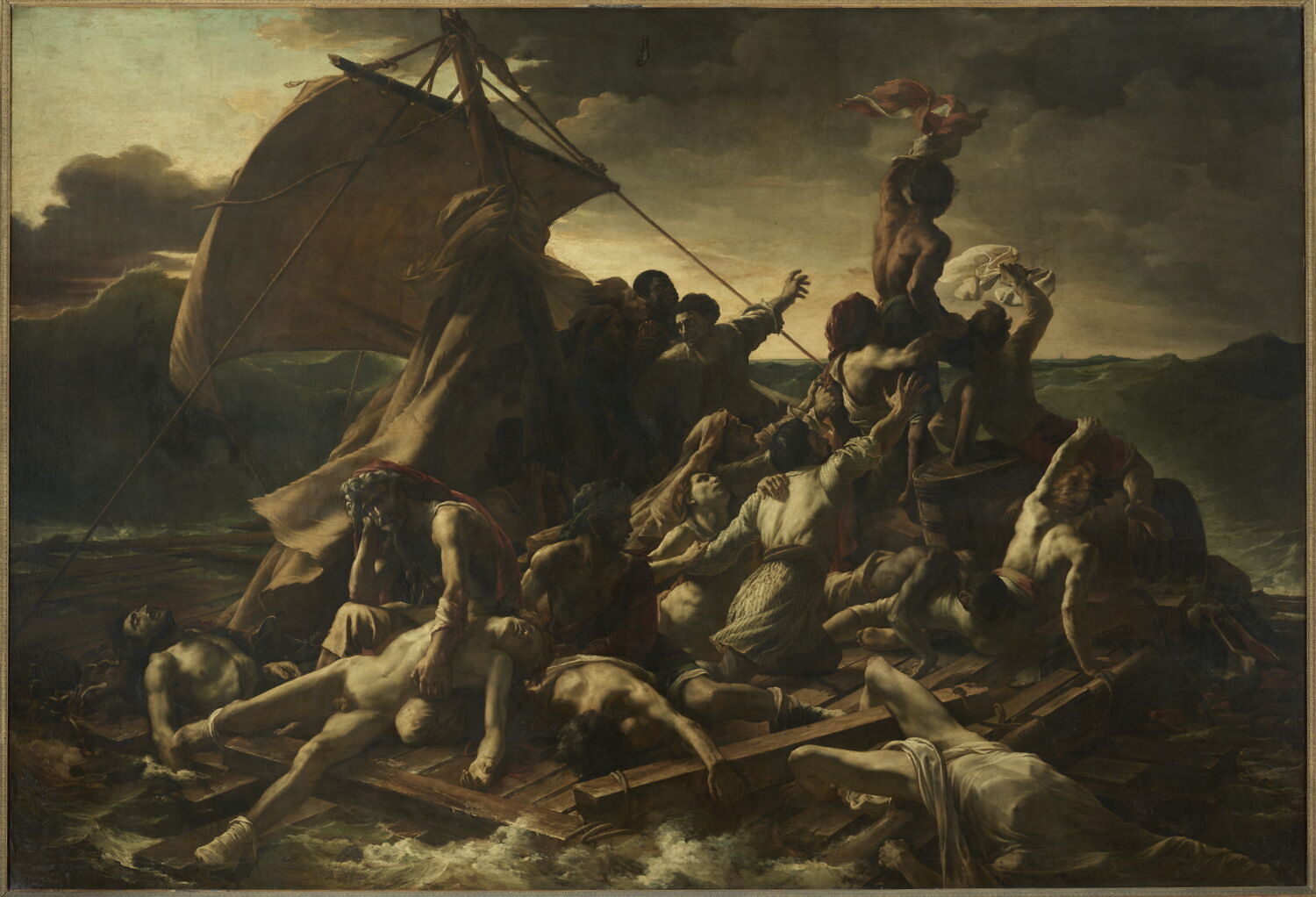
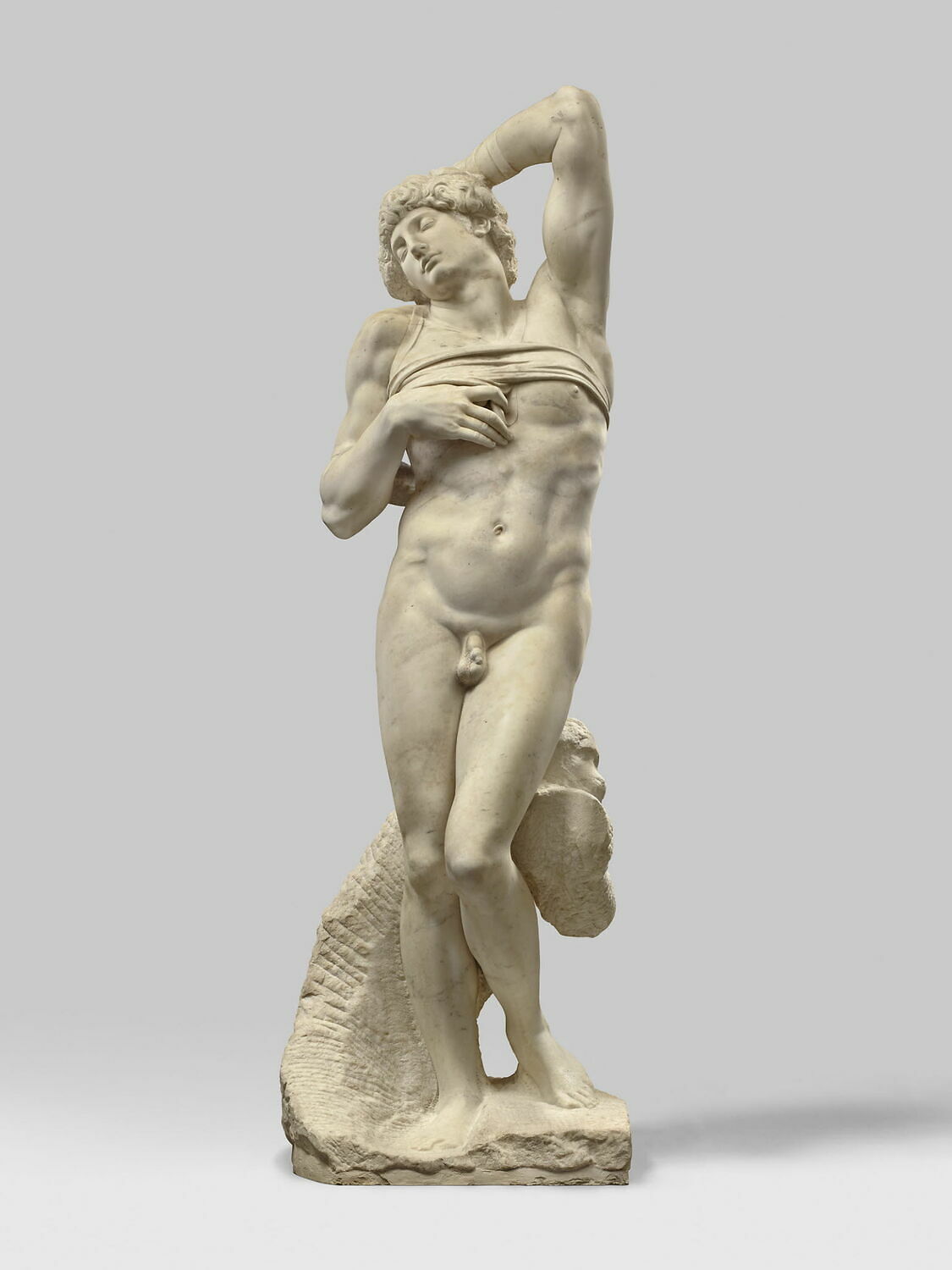
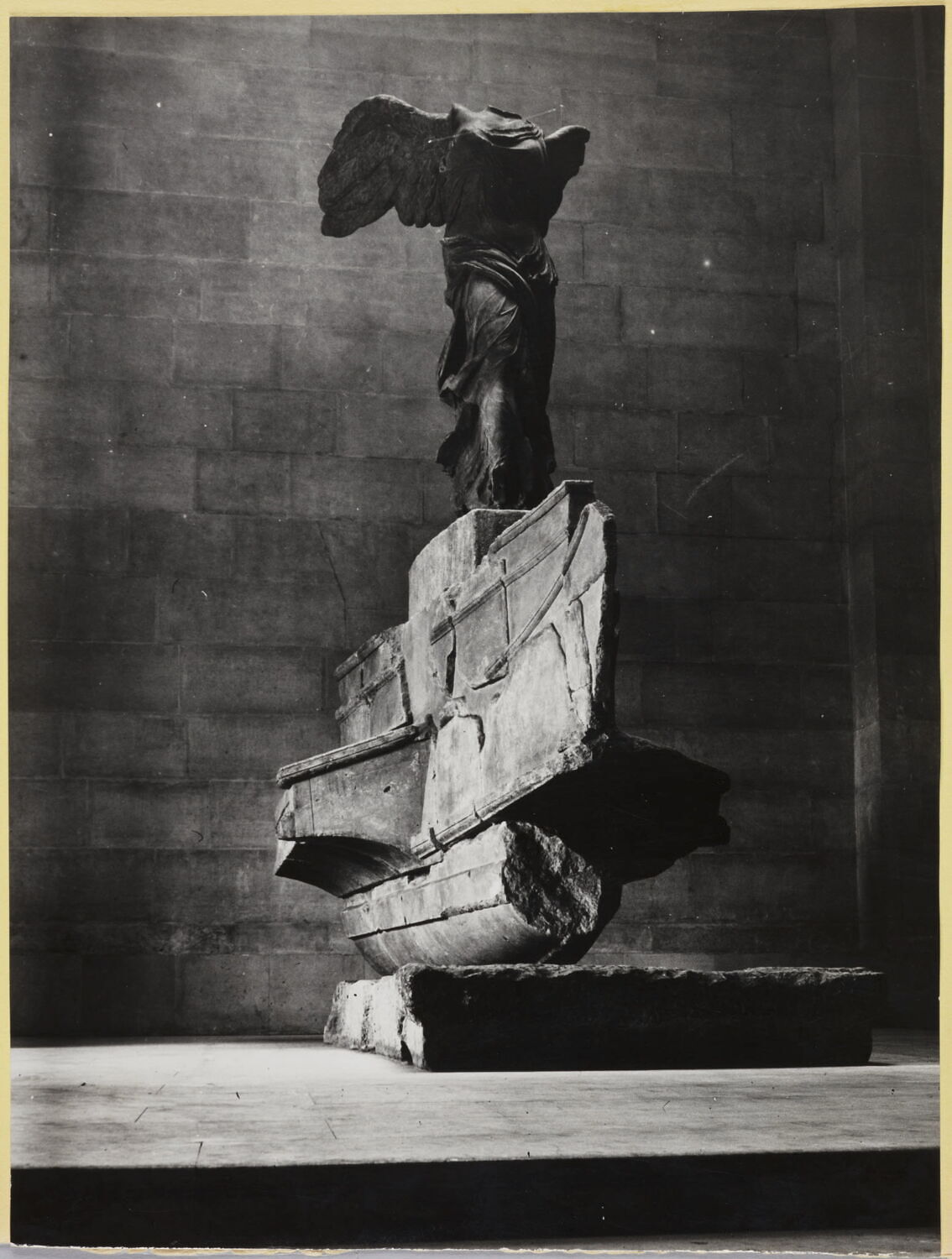
Read the building and the holdings together. A Babylonian law code, a Greek goddess with no arms, Leonardo's most famous panel, a regalia case still glittering with crown jewels — each was kept here for its own reasons, and the museum is the argument those reasons make in the same rooms.