Greek, Etruscan, and Roman Antiquities
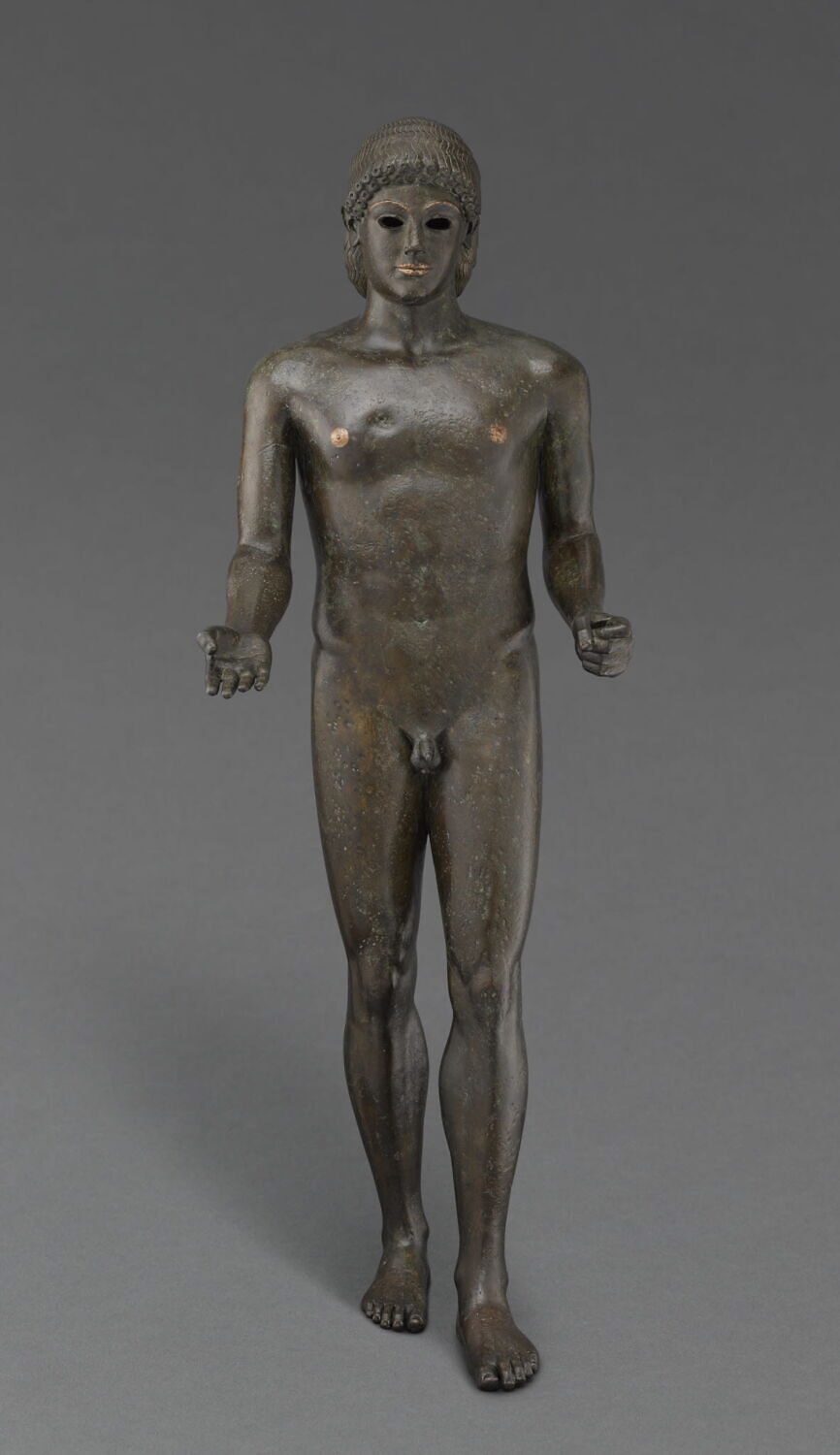
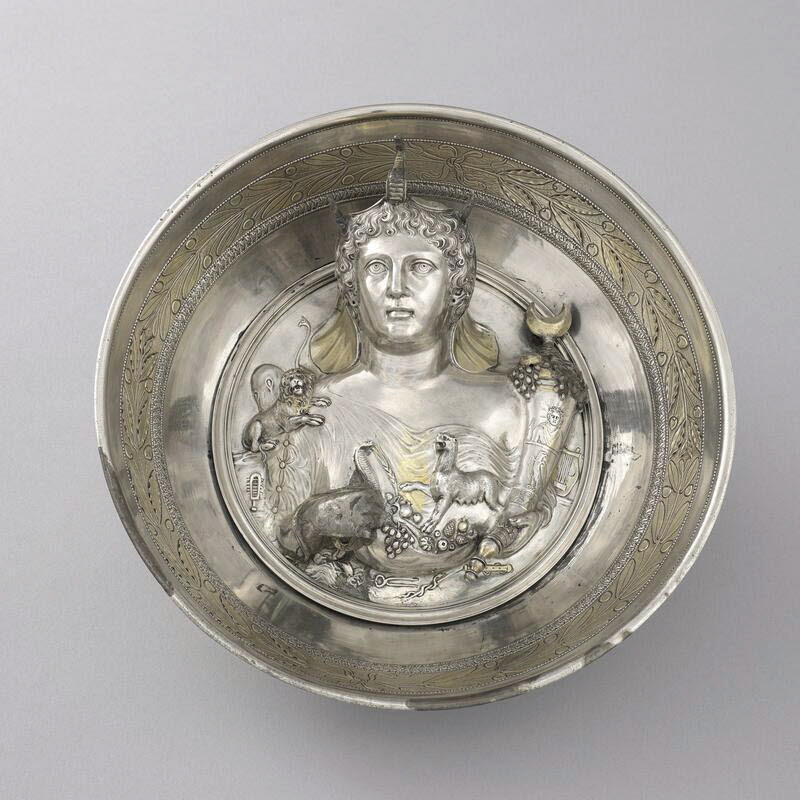
Sculptures, vases, jewelry, and bronzes from Mediterranean antiquity, from the Cycladic Bronze Age to the late Roman Empire.
The Mediterranean canon, gathered into the palace that ruled France.
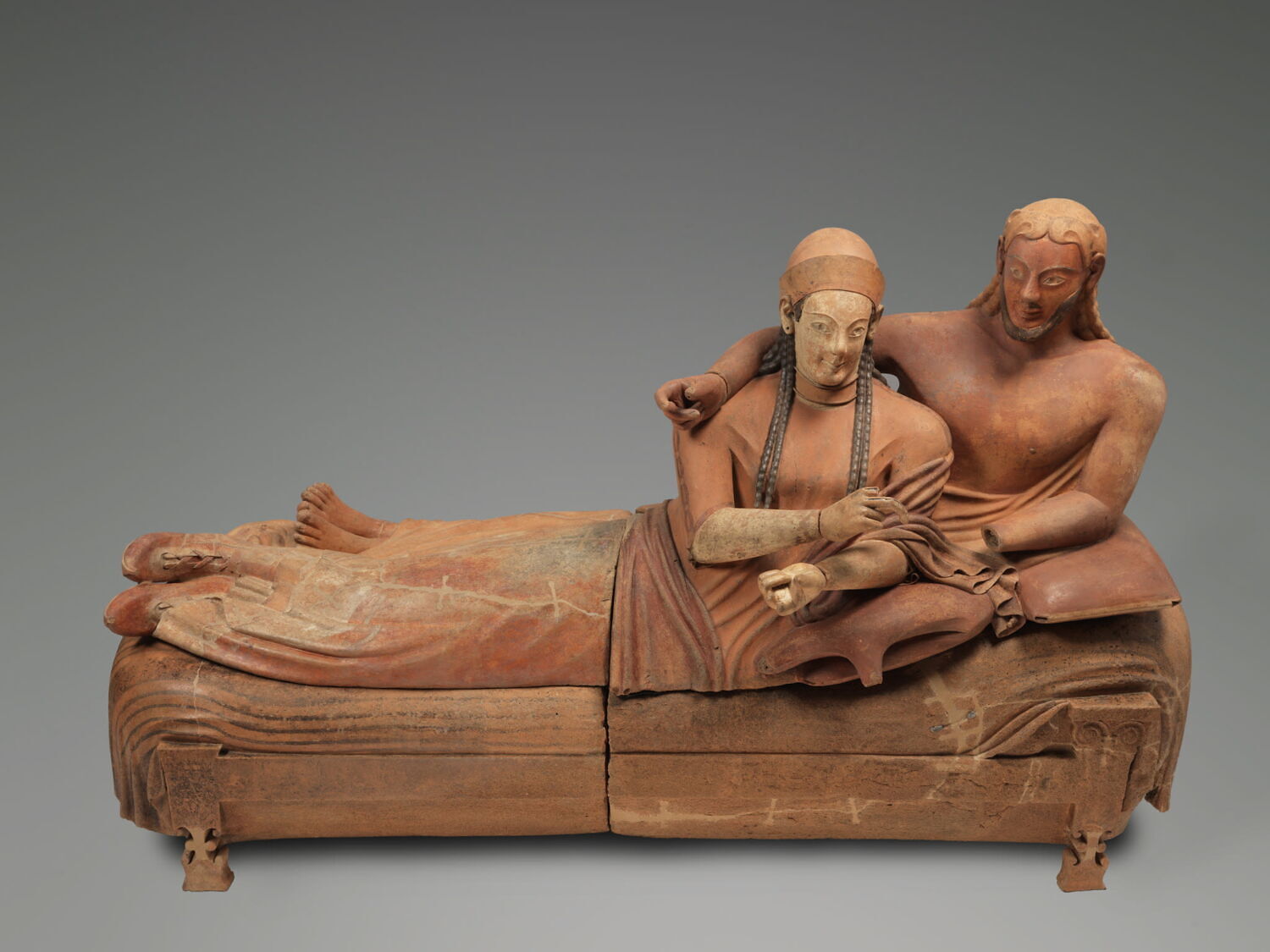
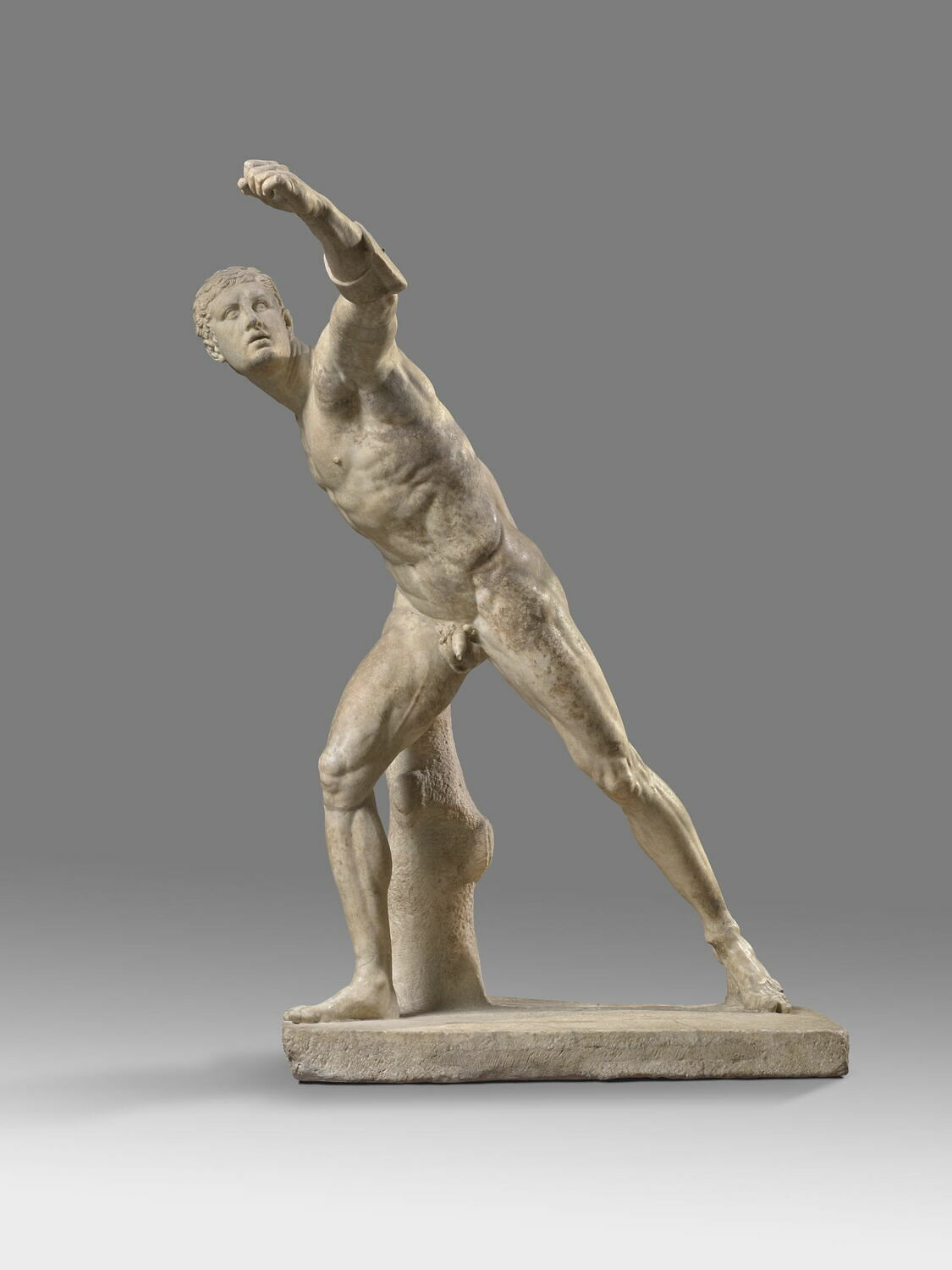
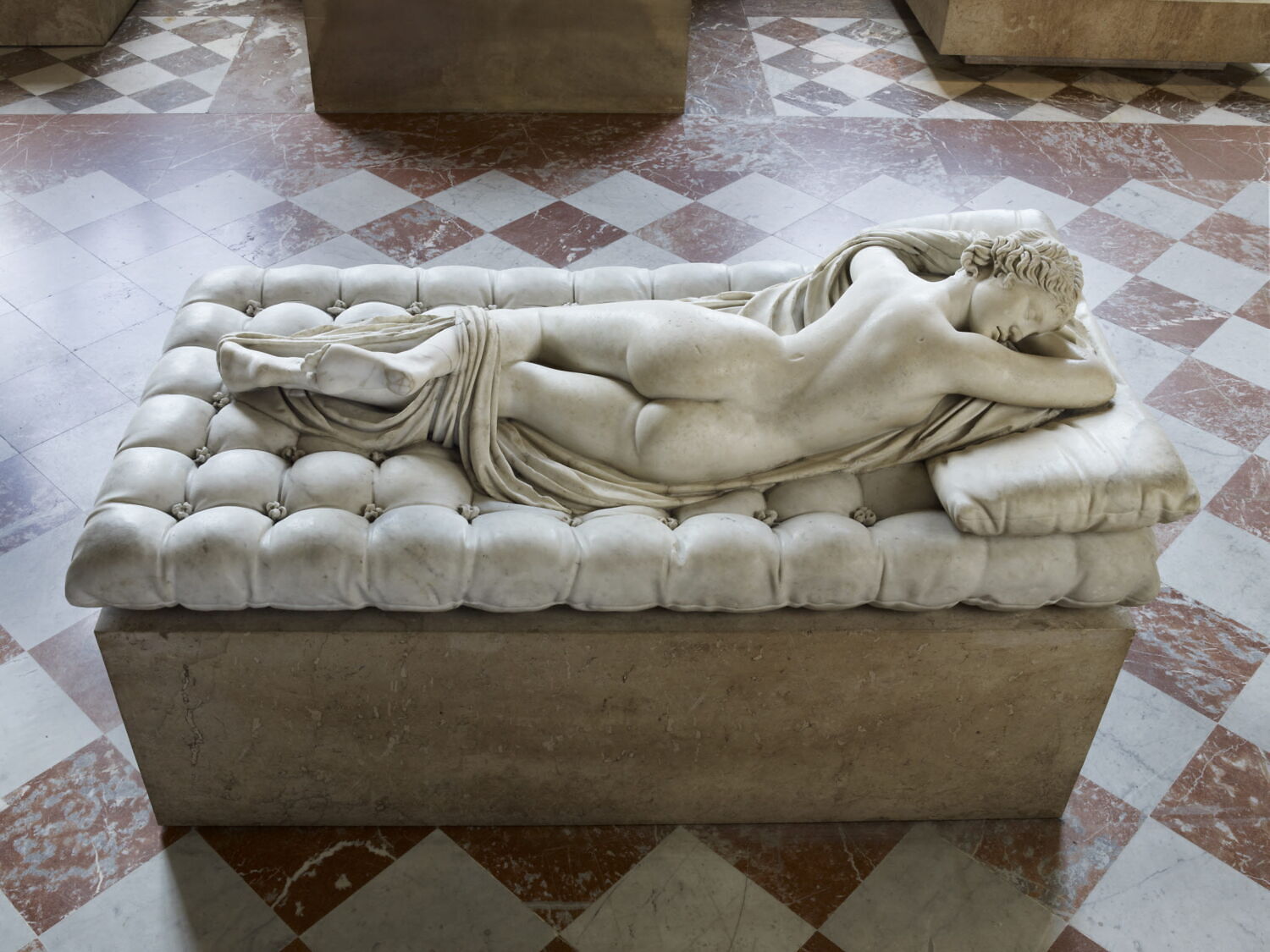
ardinal Richelieu collected antiquities; Louis XIV bought them by the cabinet; Napoleon's commissions sent more home from Italy and Greece. The result is one of the densest readings of classical antiquity in any museum — Cycladic figurines, Greek vases, Etruscan jewelry, and Roman portraits assembled by people who believed these forms were the source of art itself.
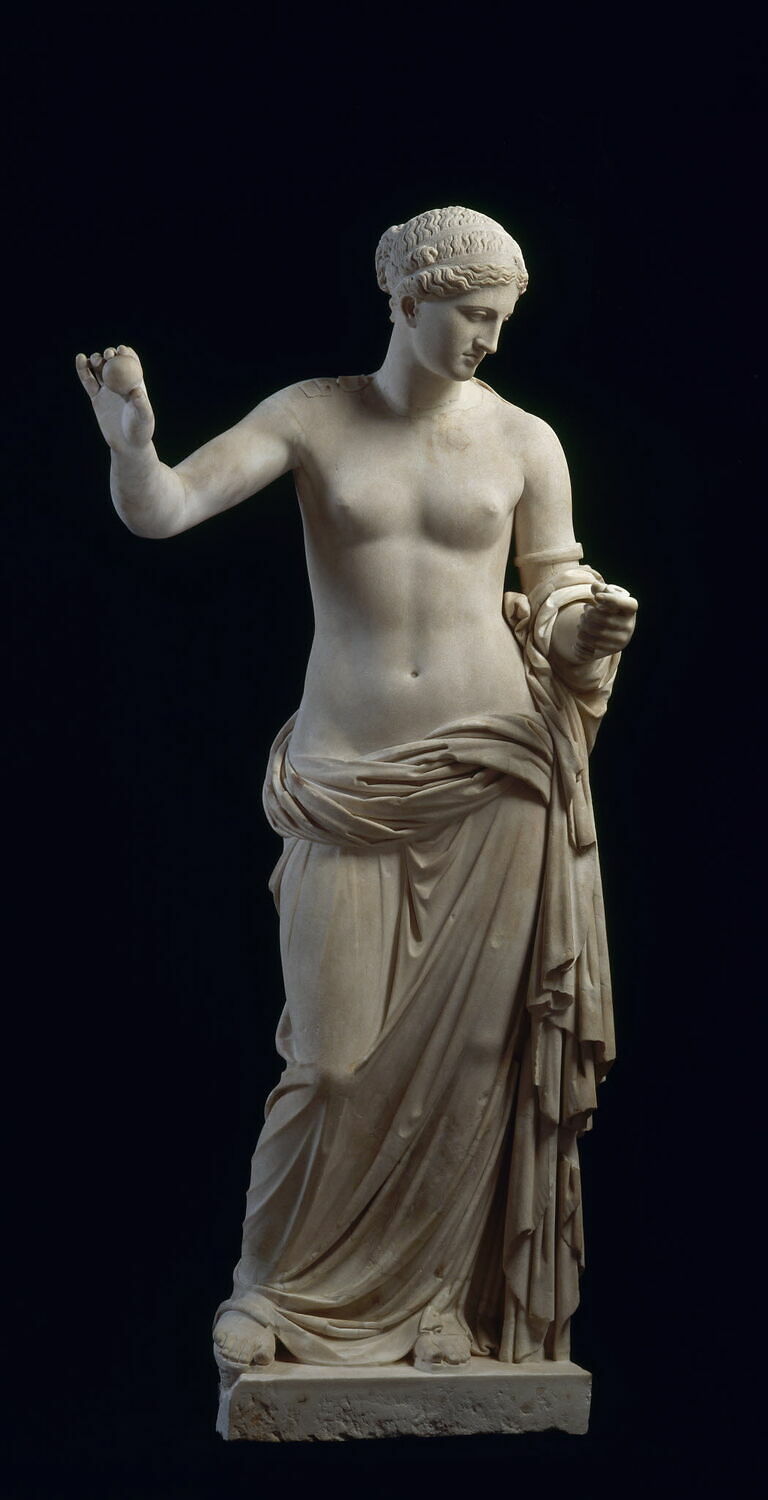
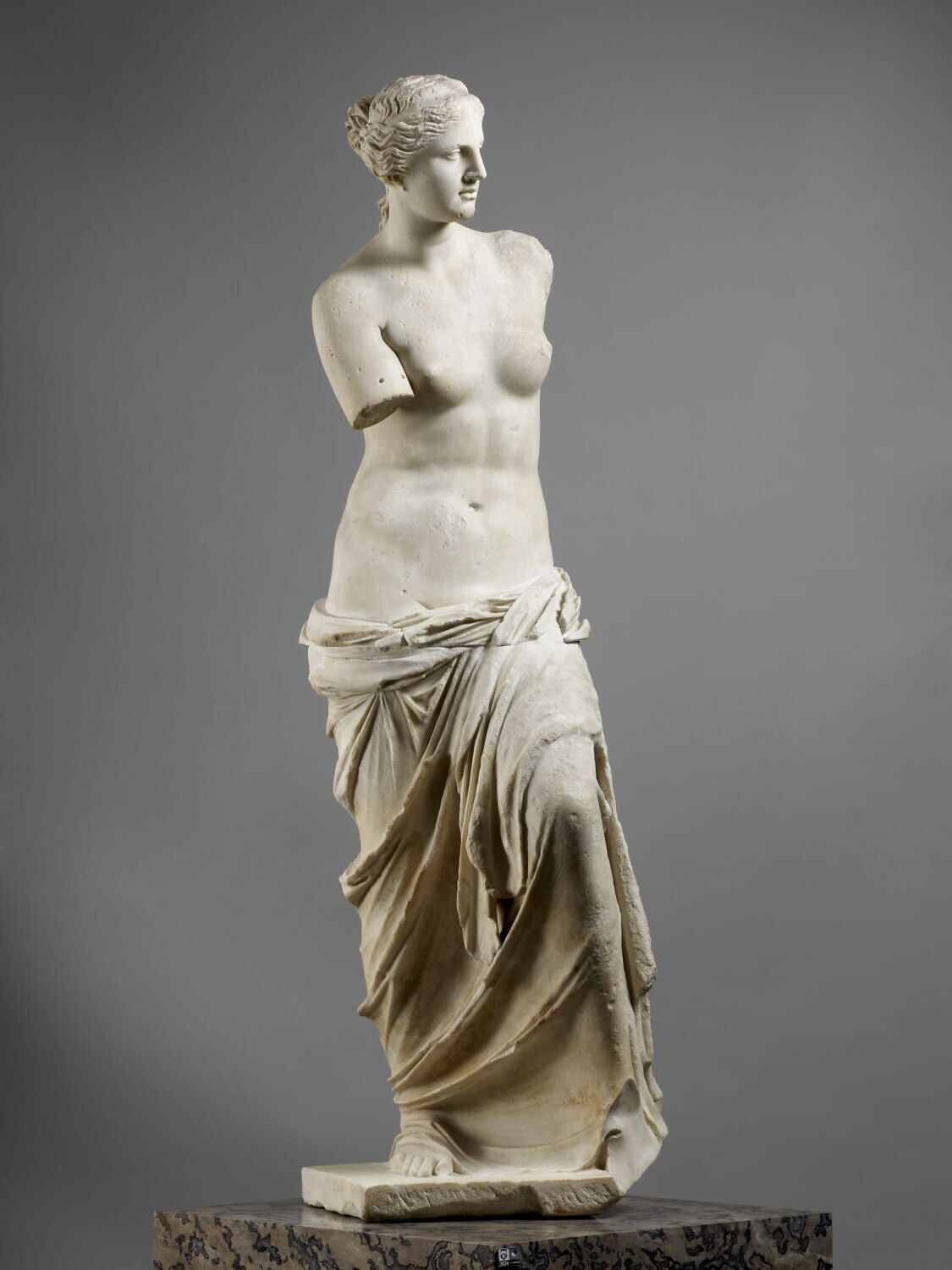
Climb the Daru staircase to the Winged Victory of Samothrace, still mid-landing on her prow; find the Venus de Milo nearby, her missing arms a problem scholars have argued for two centuries. Around them, painted Greek pots and stern Roman emperors fill out a Mediterranean that was never as white or as silent as later admirers imagined.