Byzantine and Eastern Christian Art
Icons, ivories, goldwork, mosaics, and liturgical objects of the Byzantine Empire and the Eastern Christian world.

The imperial sacred: ivory, enamel, and the theology of the icon.
entered in Constantinople, the Eastern Roman Empire maintained an unbroken artistic and theological lineage for more than a millennium after the collapse of Rome. Byzantine art developed an aesthetic of sacred radiance that heavily influenced early medieval Europe while remaining committed to its own strict spiritual geometry.
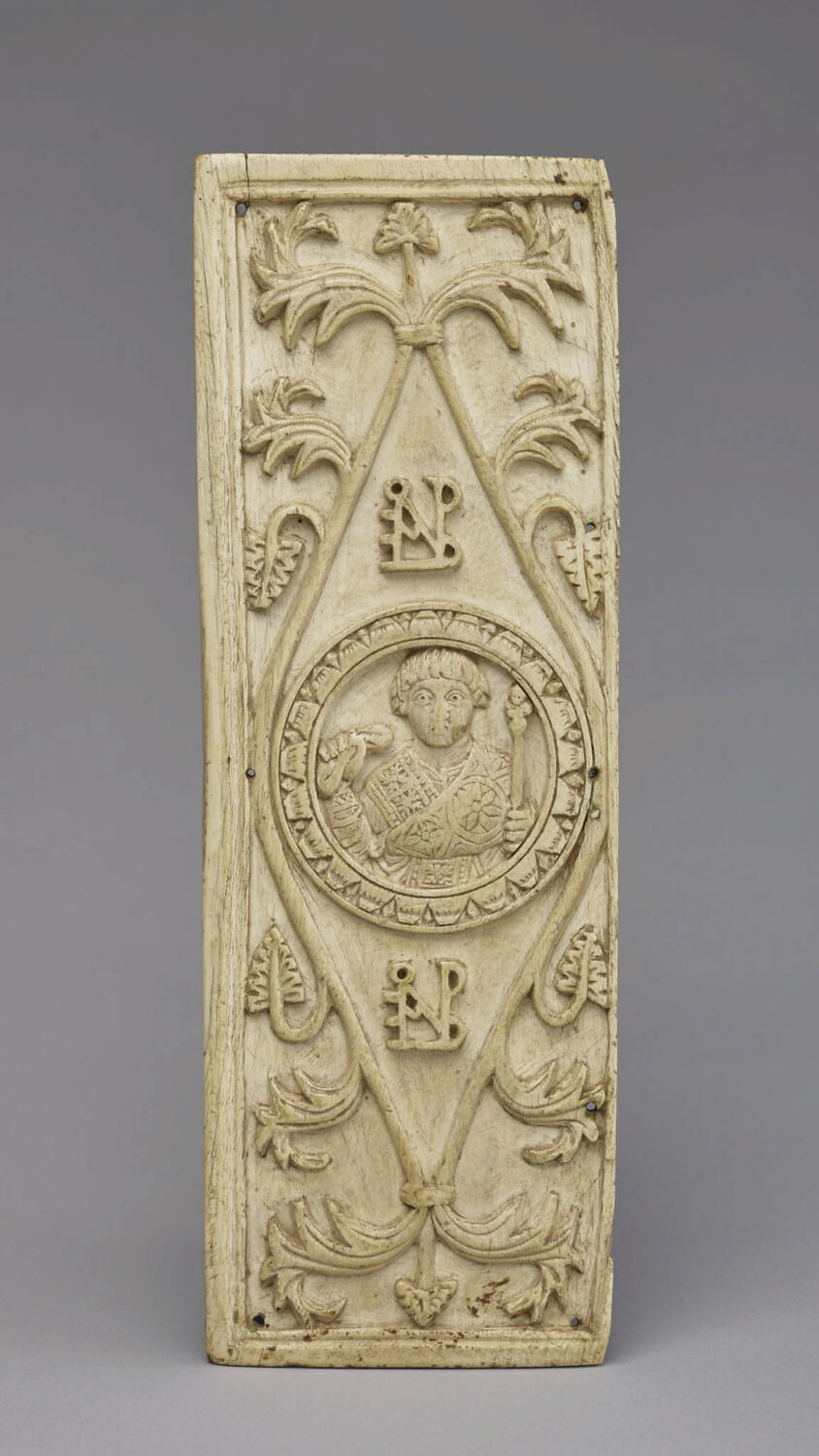
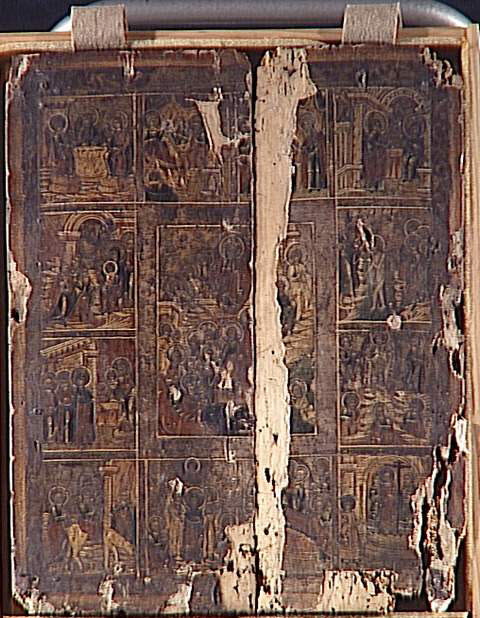
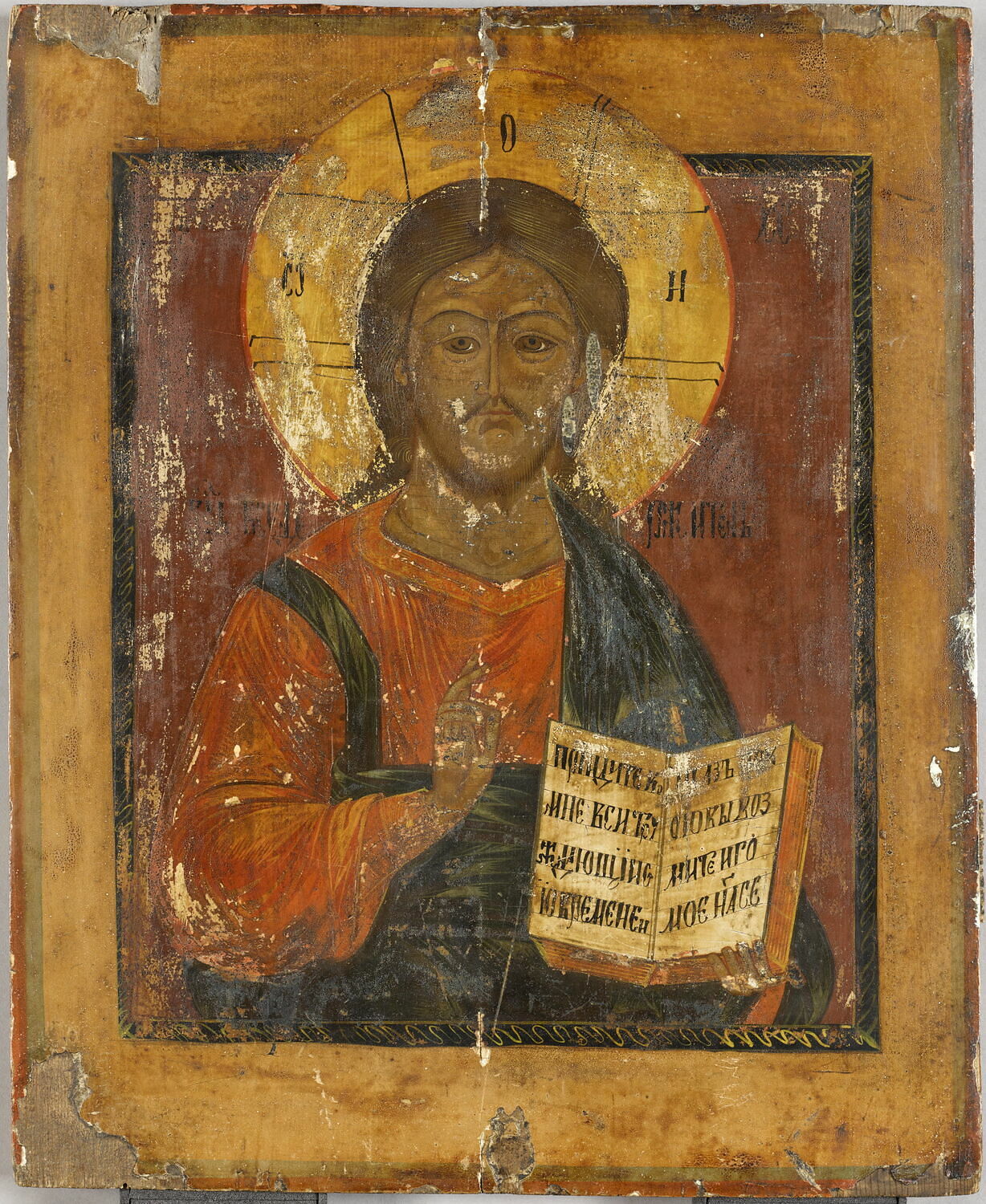
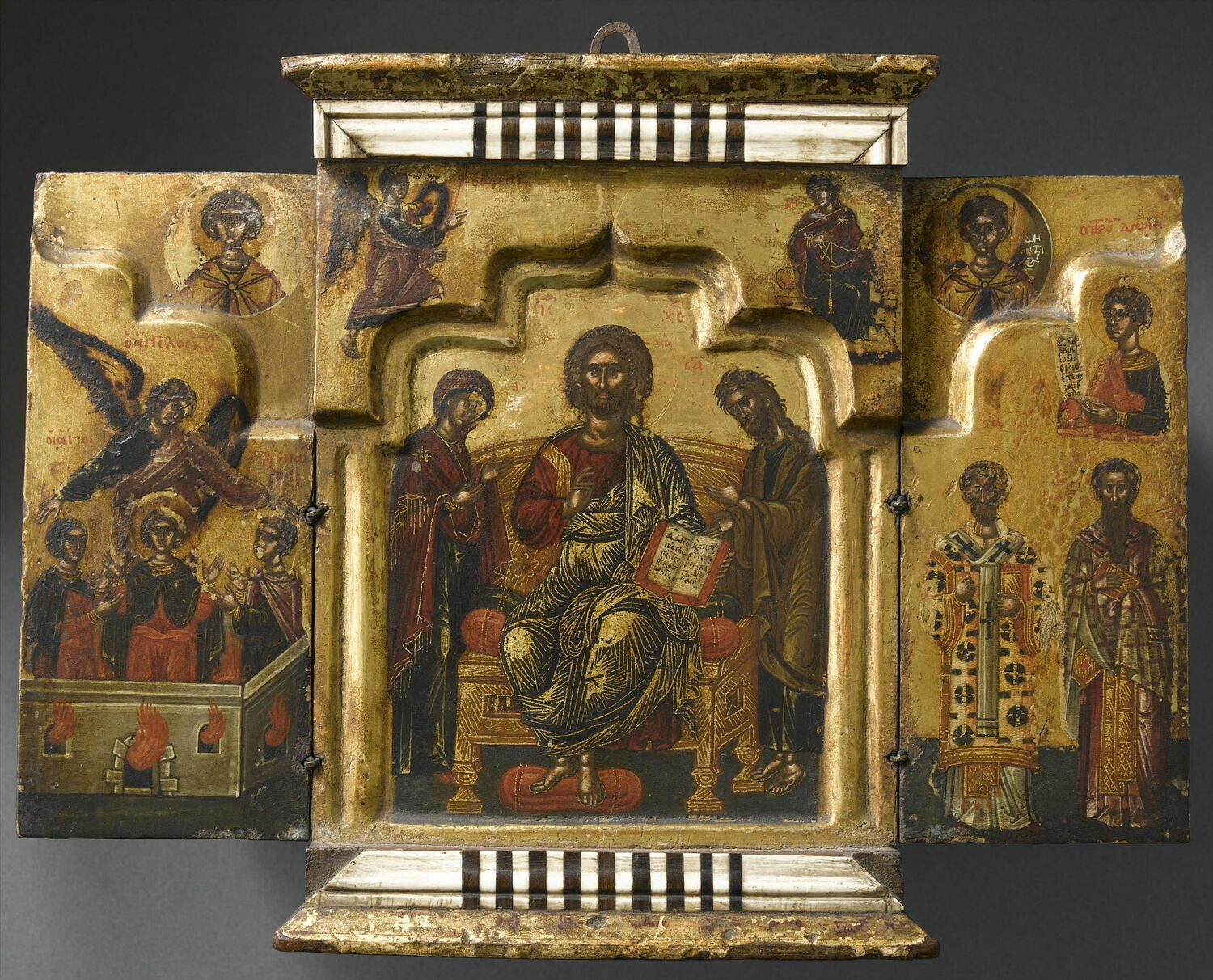
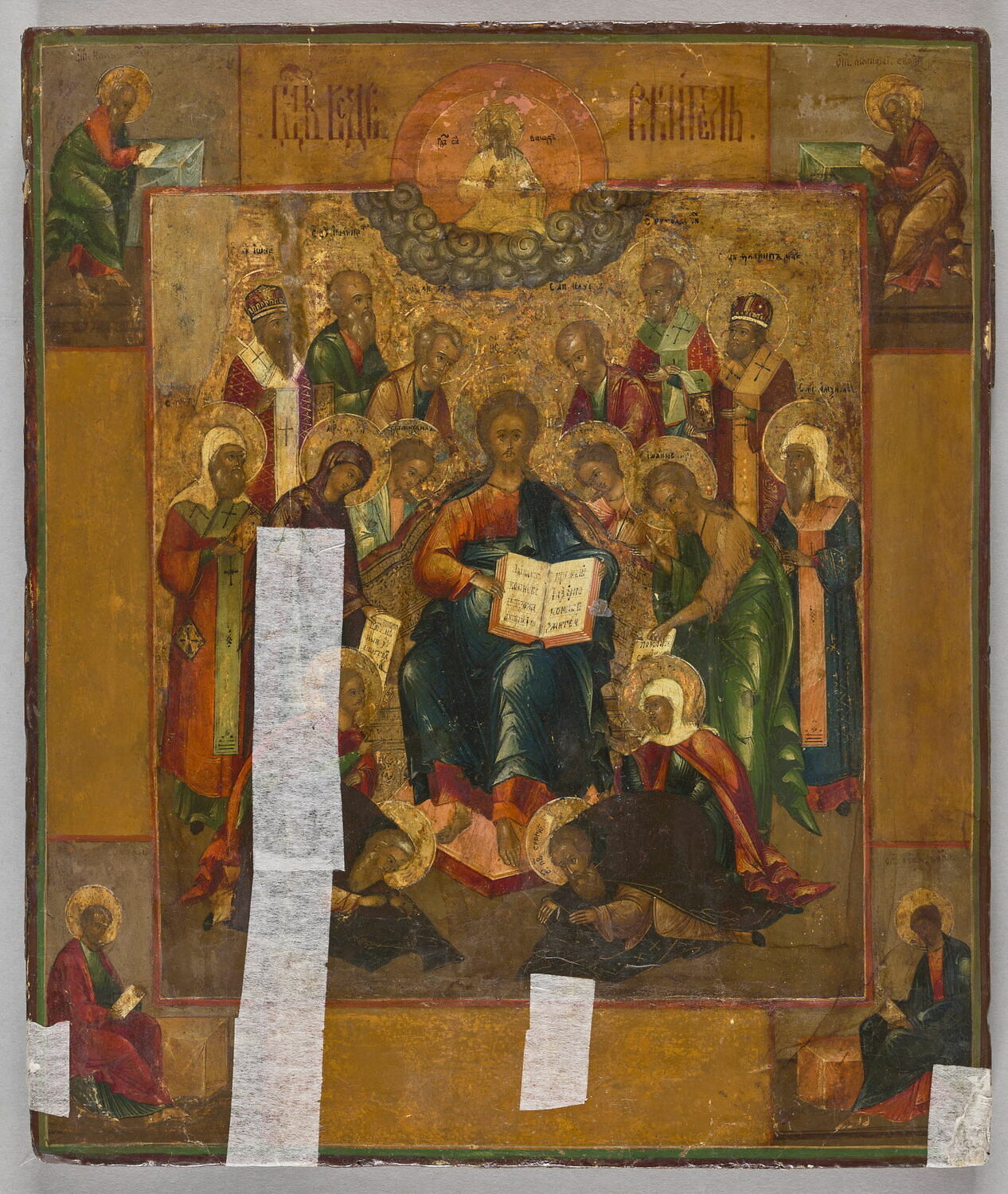
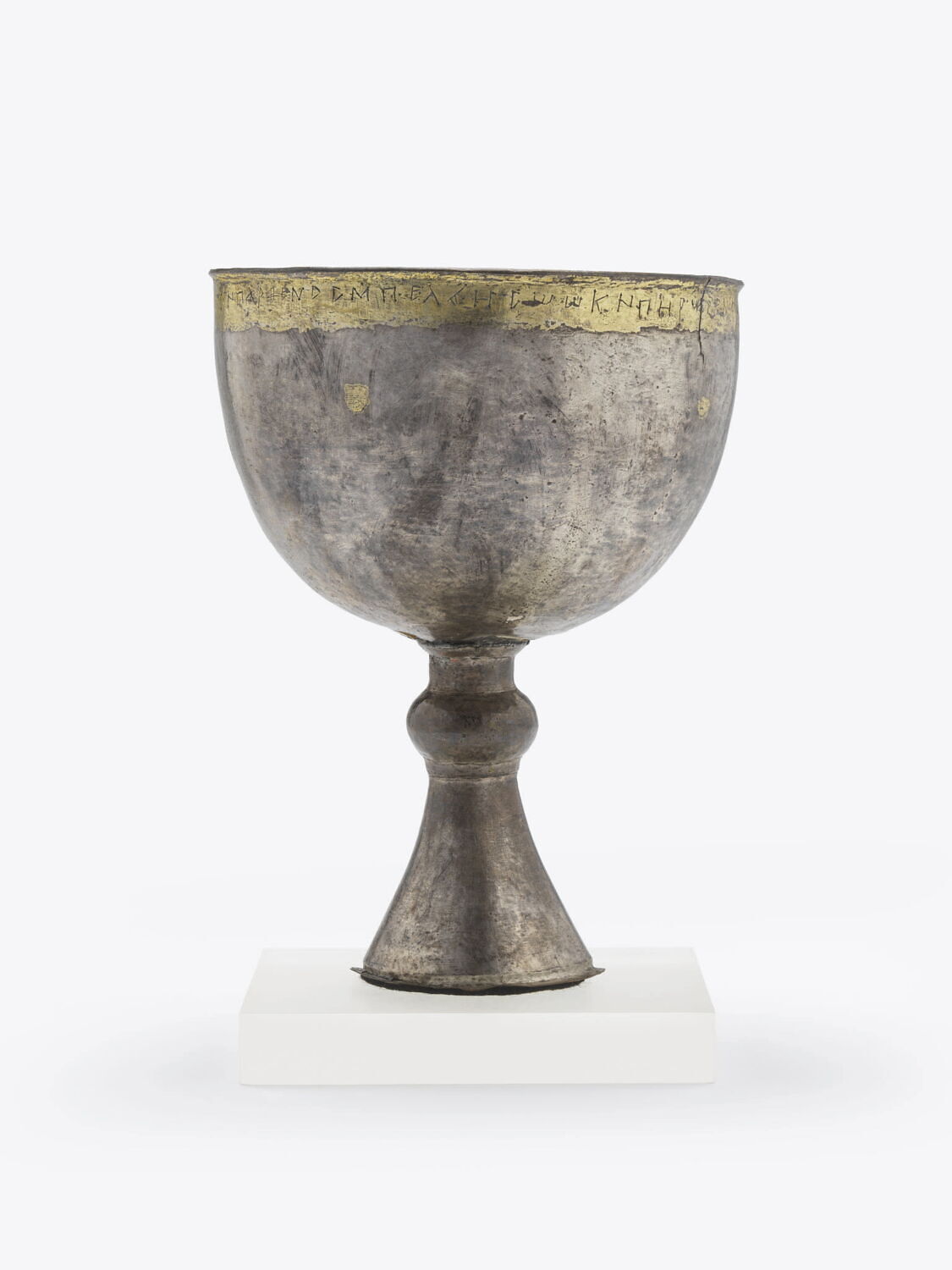
Works such as the finely carved tenth-century Harbaville Triptych, cloisonné enamel reliquaries, and tempera icons on gold ground prioritize spiritual presence over naturalistic illusion. Radiance, formal symmetry, and costly materials were engineered to evoke the heavenly court for viewers inside candlelit basilicas.