Islamic Art
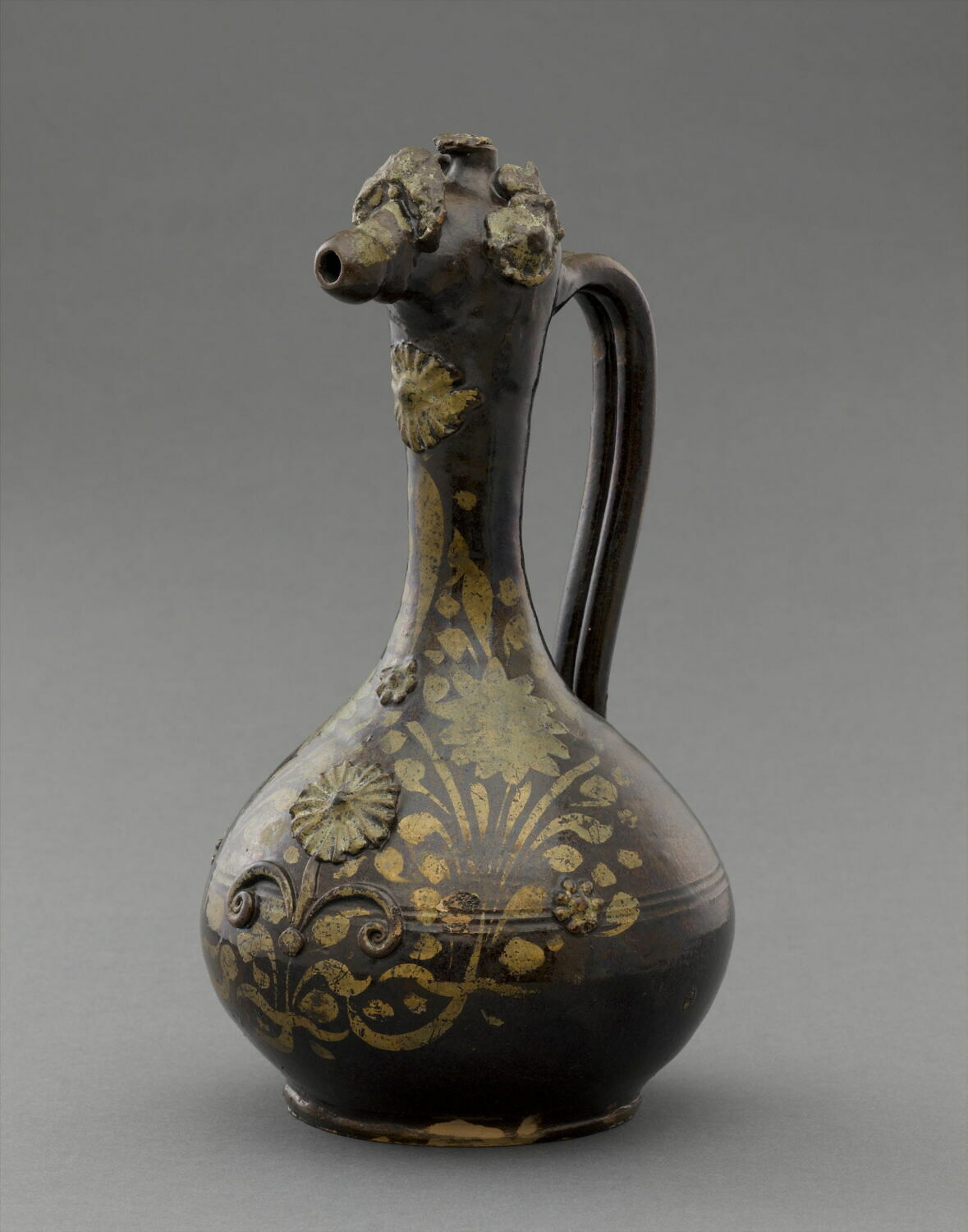
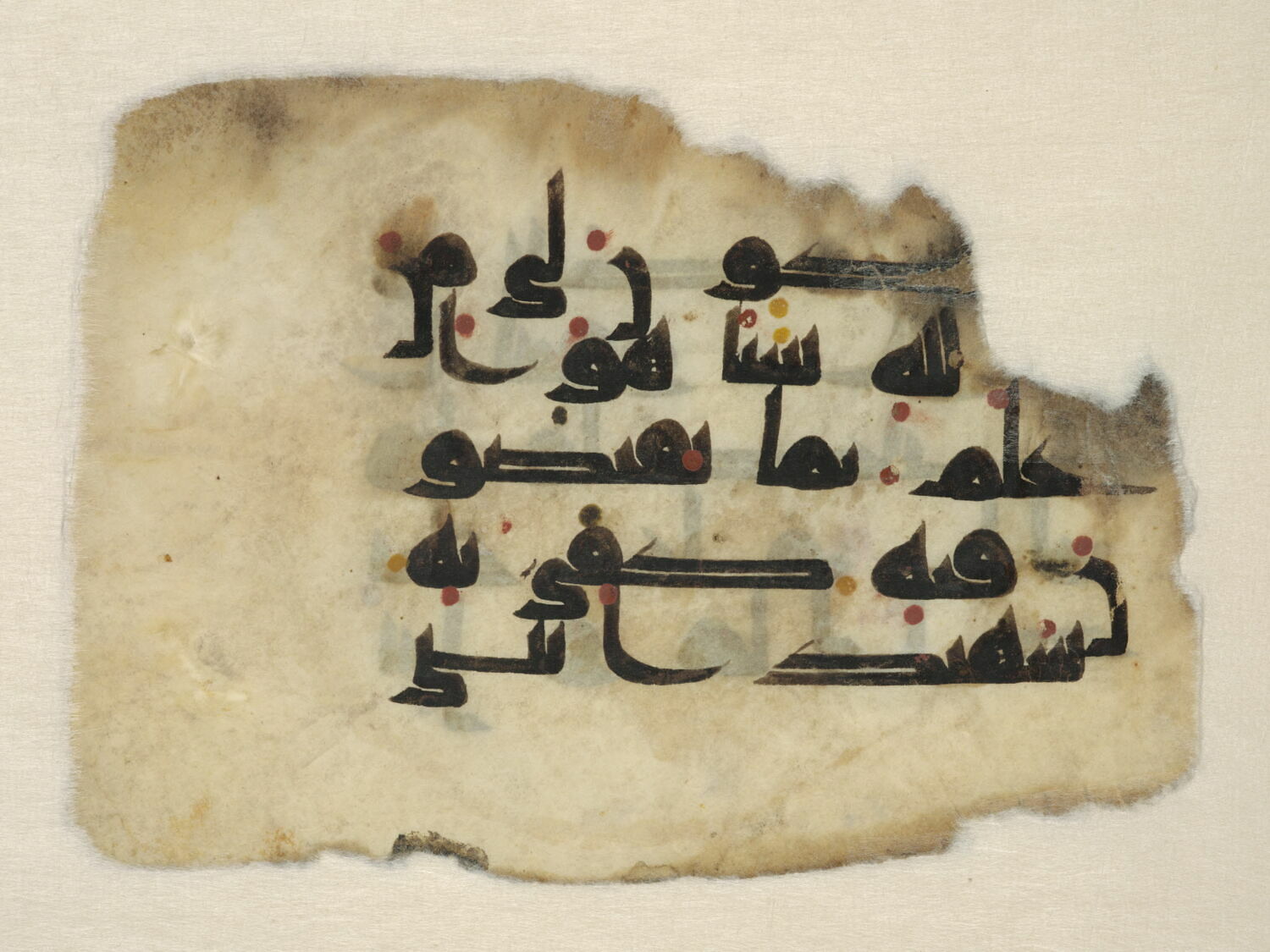
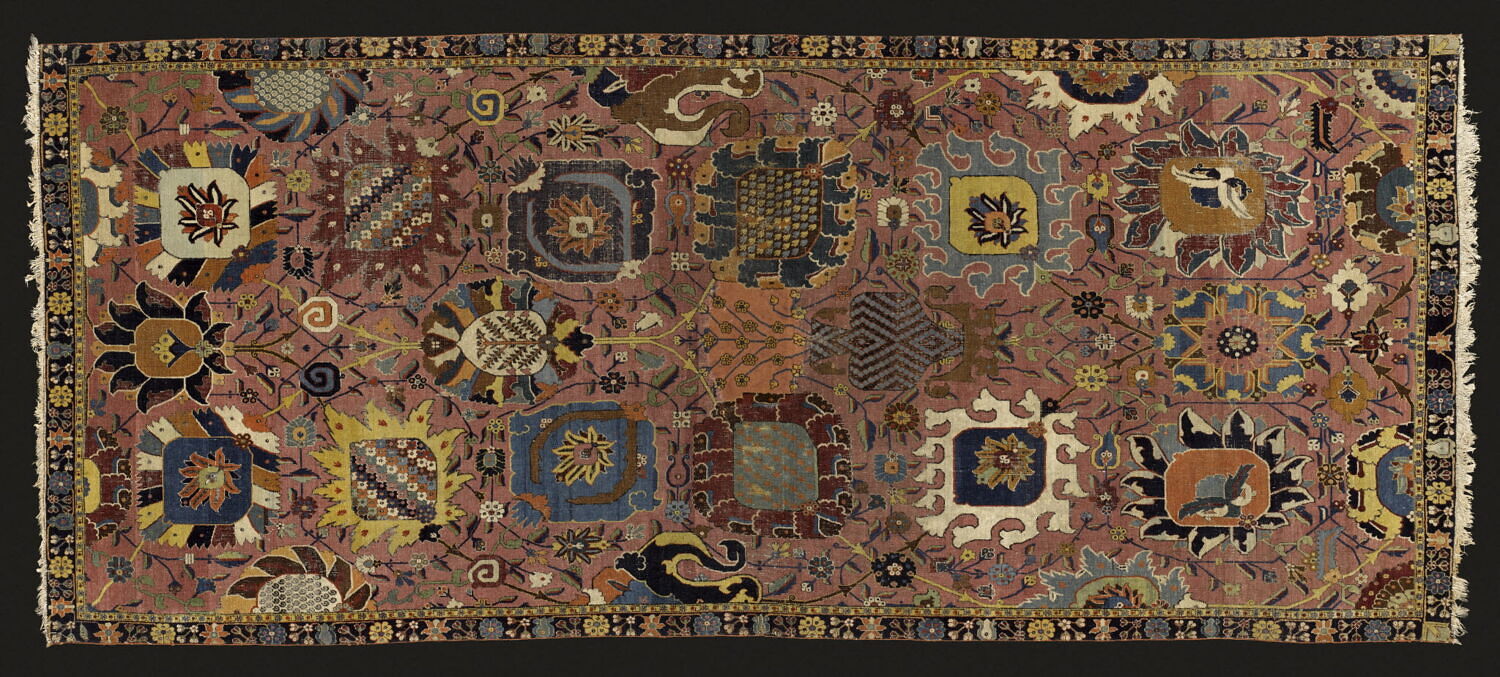
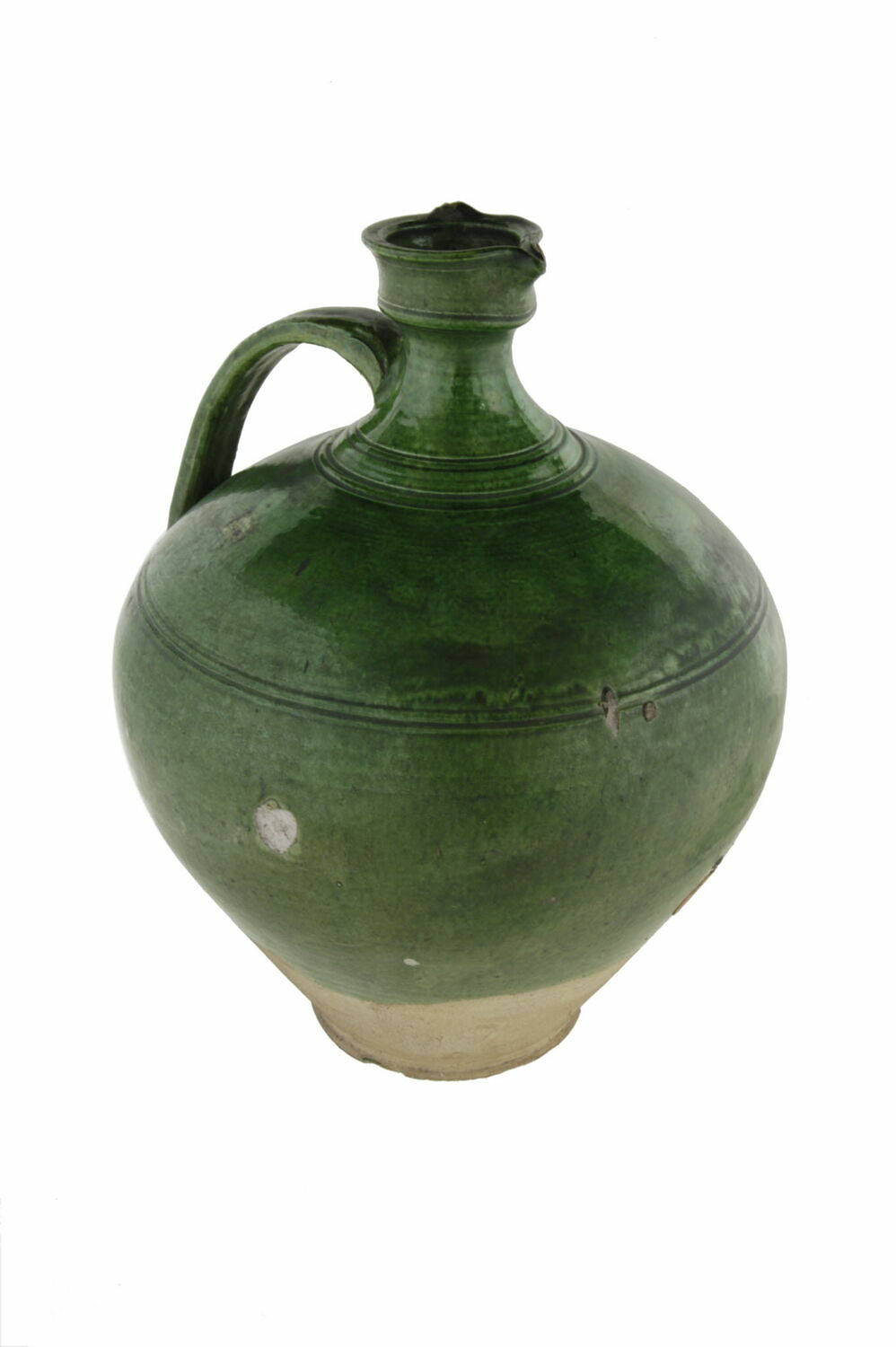
Ceramics, metalwork, manuscripts, carpets, and luxury objects from the Islamic world, from Andalusian Spain to Mughal India.
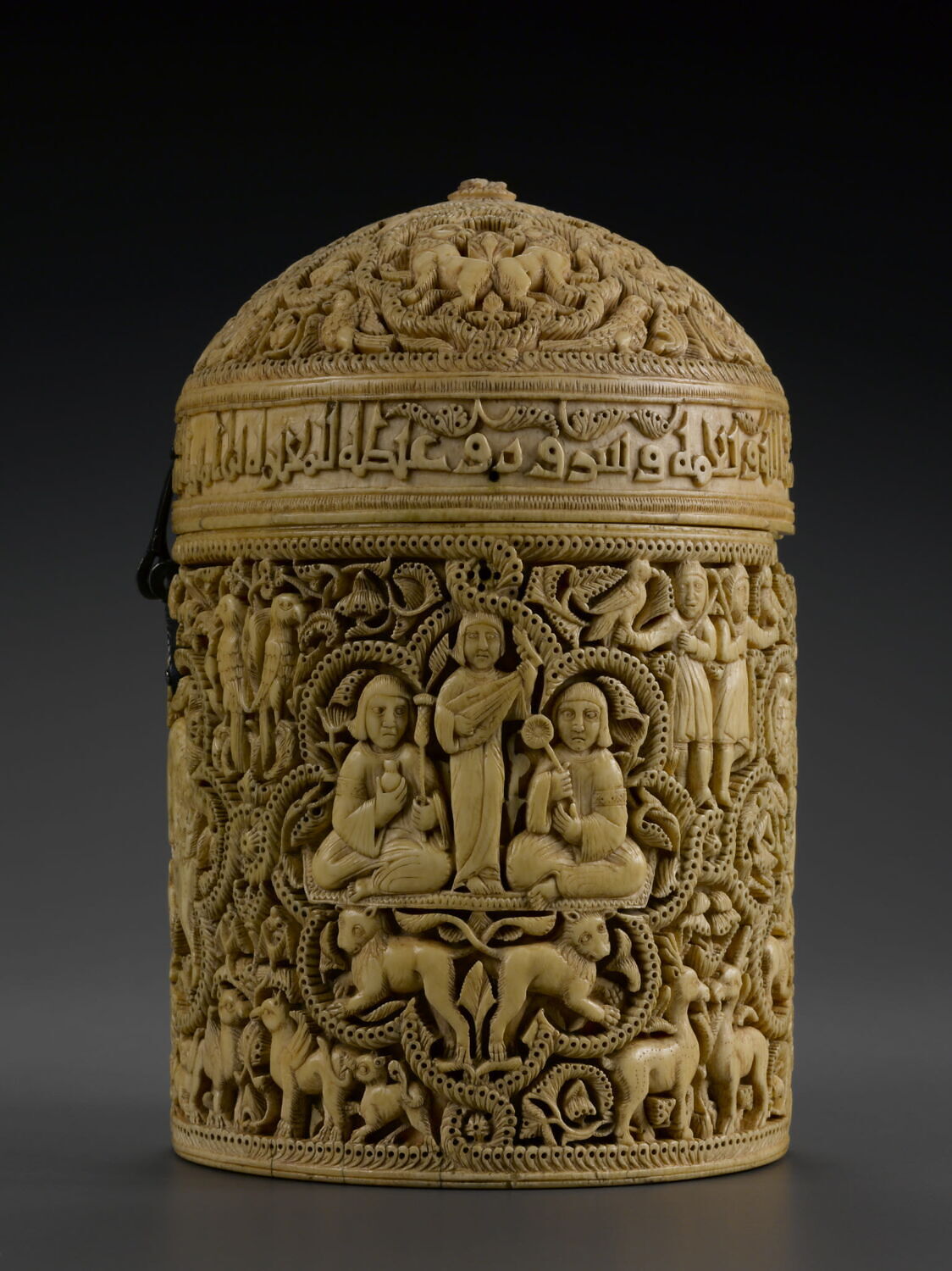
Fifteen centuries of design, gathered under a glass canopy in the Cour Visconti.
rom Spain to Mughal India, Islamic artists pursued a body of forms — the arabesque, the calligraphic line, the patterned tile, the worked metal surface — that treated ornament as serious thought. The Louvre's department, opened in its current galleries in 2012 beneath a billowing gilt-mesh canopy, presents them as the rigorous tradition they are.
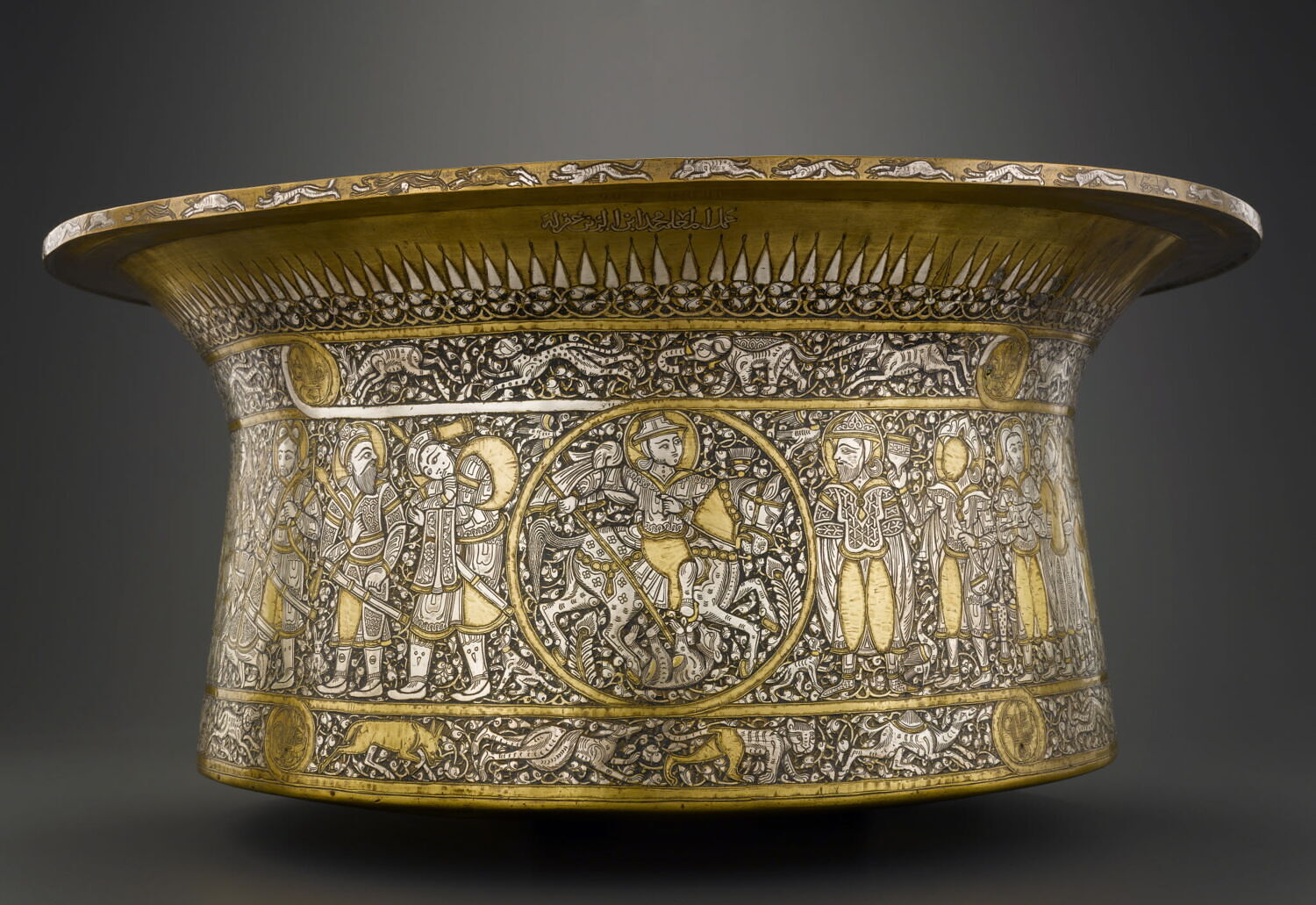
Examine an Iznik dish where blue and red bloom against white slip, the inlaid brass Baptistère of Saint Louis ironically used to christen French kings, and the painted pages of a Shahnameh. Three continents and a millennium and a half, unified less by a single style than by a shared conviction that pattern can carry meaning.