Main Collection

Explore the Louvre's encyclopedic collection — nearly 9,000 years of art, from Mesopotamian antiquities to 19th-century painting.
Main Collection hero image© Musée du Louvre, Dist. GrandPalaisRmn
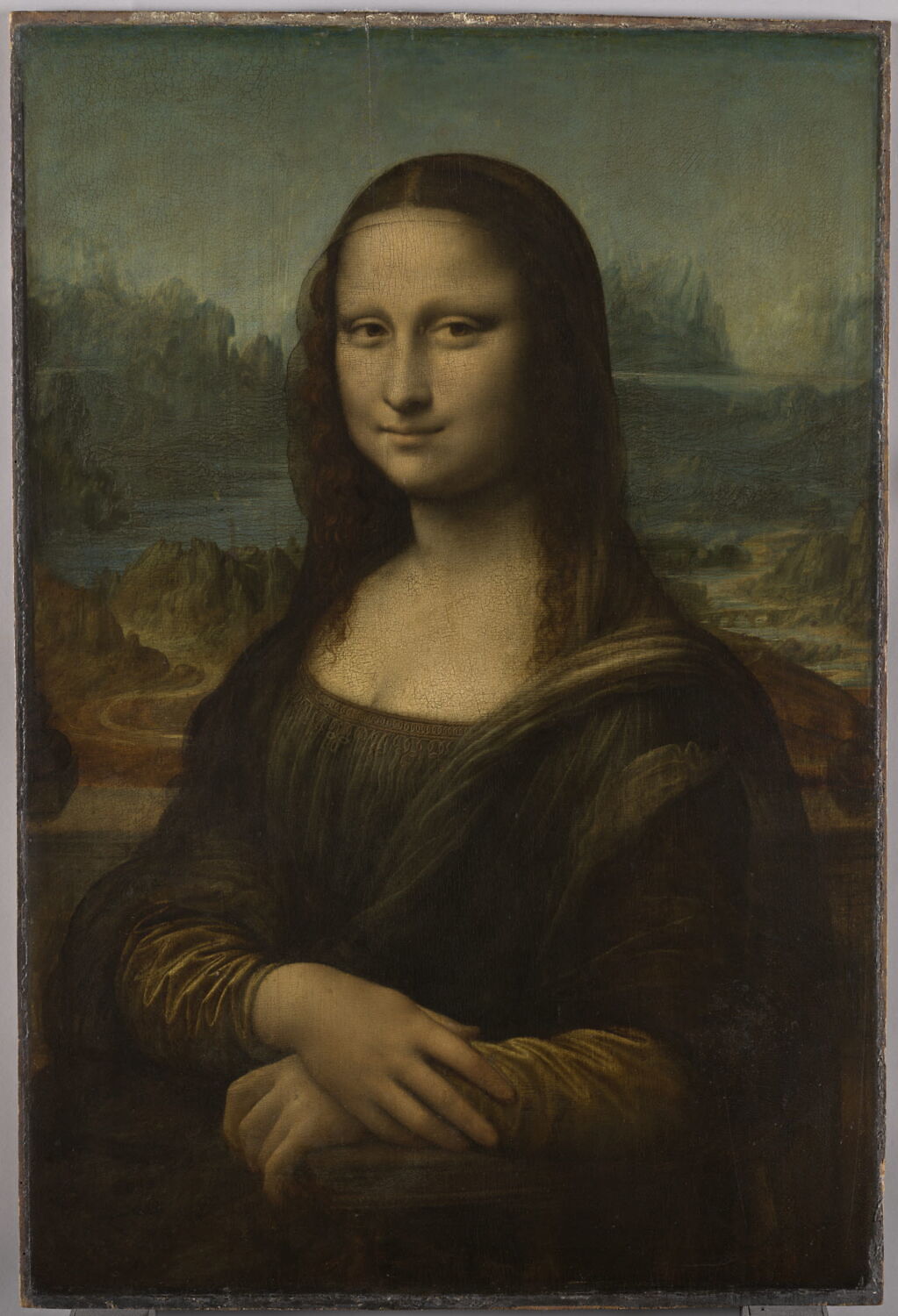
Mona LisaLeonardo da Vinci · first quarter of the 16th century

A royal palace that became the museum.

he Louvre opened to the public in 1793, a year after the monarchy fell, taking over the palace its kings had built and the collections they had assembled. What had been the private taste of the French crown — Italian masters bought by François I, antiquities sent home by Napoleon's commissions — was, in a single revolutionary stroke, declared the property of the nation.

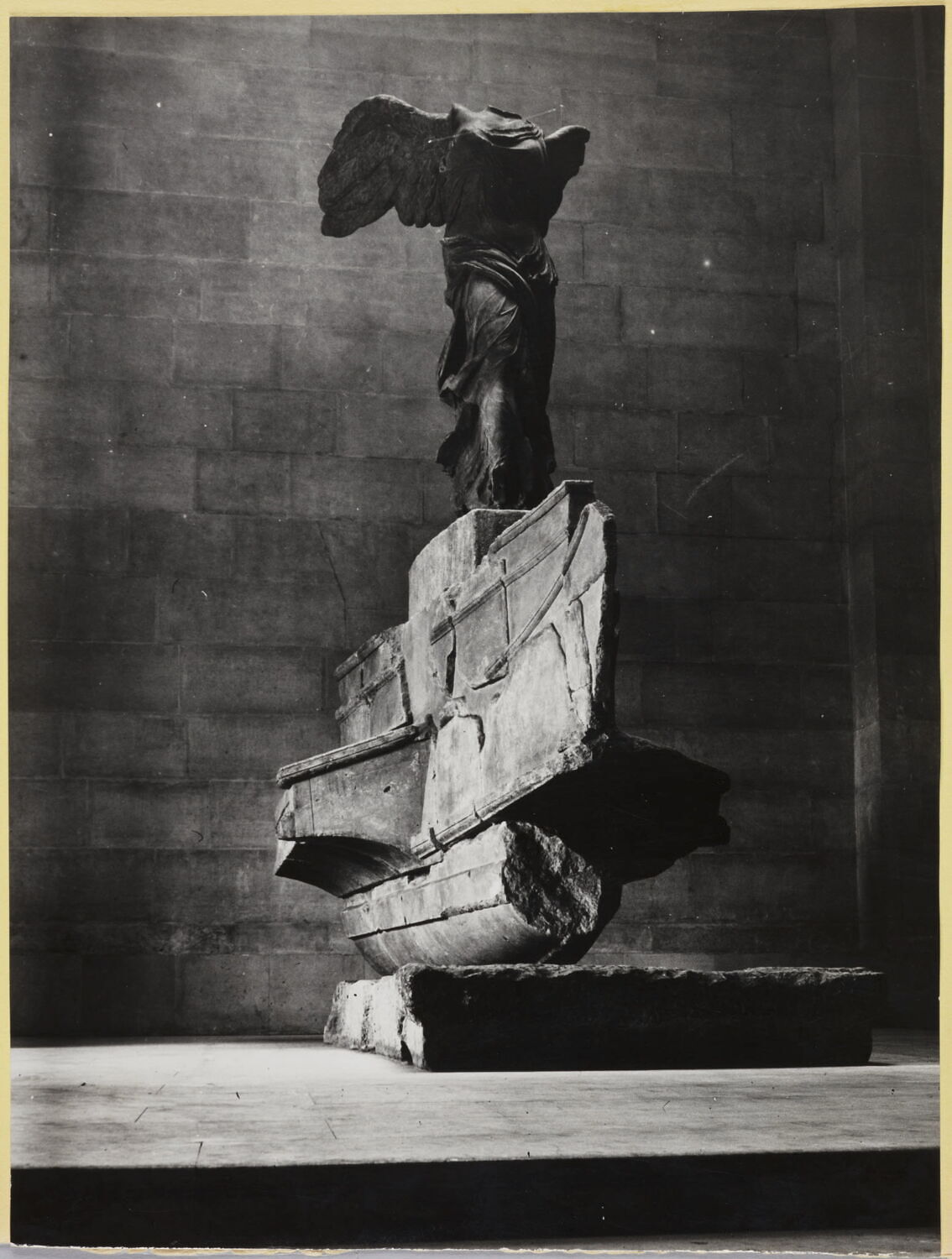
Read the building and the holdings together. A Babylonian law code, a Greek goddess with no arms, Leonardo's most famous panel, a regalia case still glittering with crown jewels — each was kept here for its own reasons, and the museum is the argument those reasons make in the same rooms.
Highlights

Portrait de Lisa Gherardini, épouse de Francesco del Giocondo, dit La Joconde ou Monna Lisa
© Musée du Louvre, Dist. GrandPalaisRmn

Portrait de Lisa Gherardini, épouse de Francesco del Giocondo, dit La Joconde ou Monna Lisa

Léonard de Vinci (Leonardo di ser Piero da Vinci, dit Leonardo da Vinci); Italie (École de) · 1e quart du XVIe siècle

huile sur bois (peuplier)
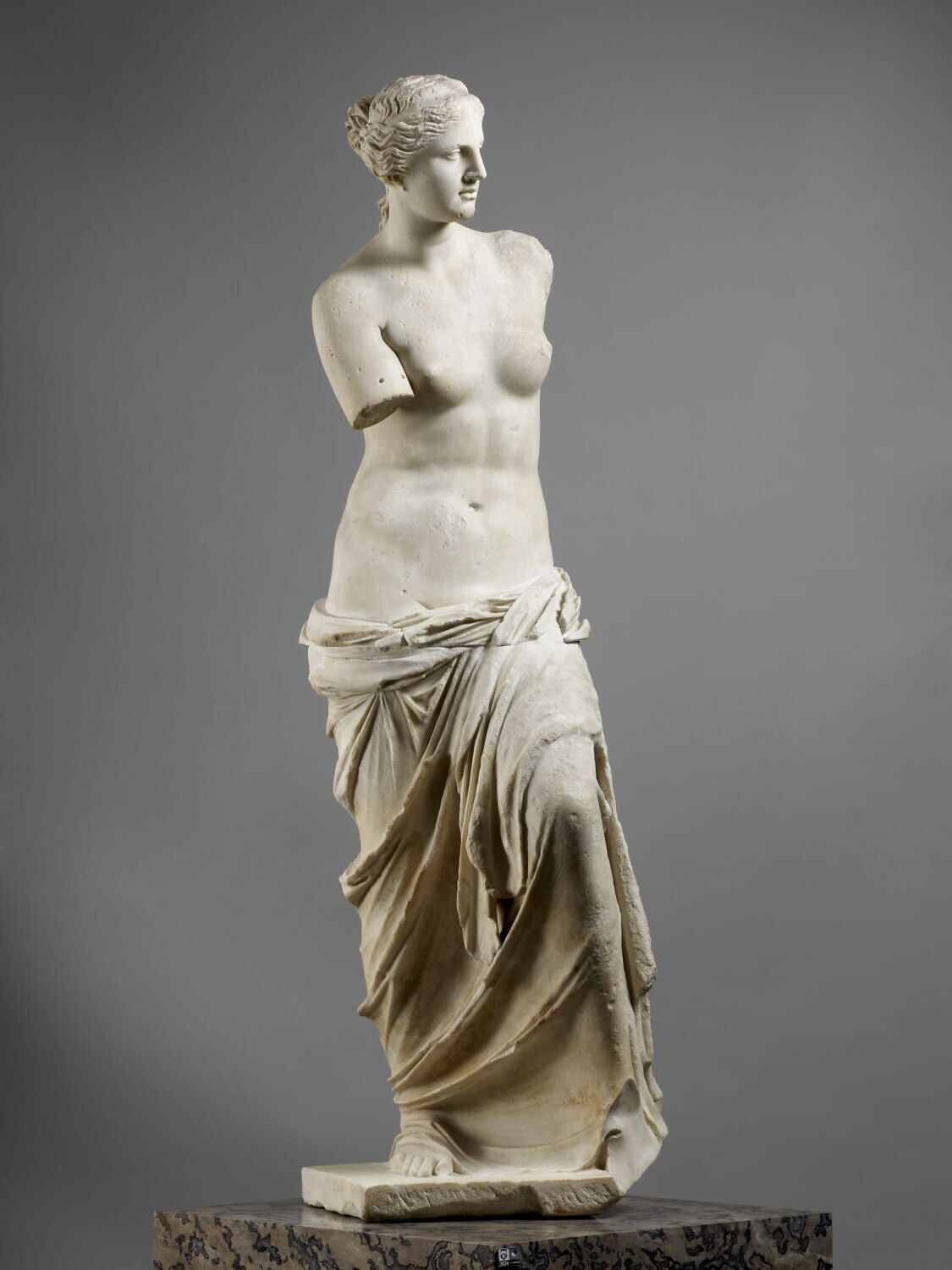
Vénus de Milo
© Musée du Louvre, Dist. GrandPalaisRmn

Vénus de Milo

3e quart IIe s. av. J.-C.

marbre de Paros (lychnites); ronde-bosse (sculpture) (Elle est composée de deux éléments joints au niveau des hanches. Le bras gauche était rapporté (présence d'une mortaise). Des éléments en bronze étaient rapportés : présence de trous pour un diadème, et un bracelet au bras droit.)
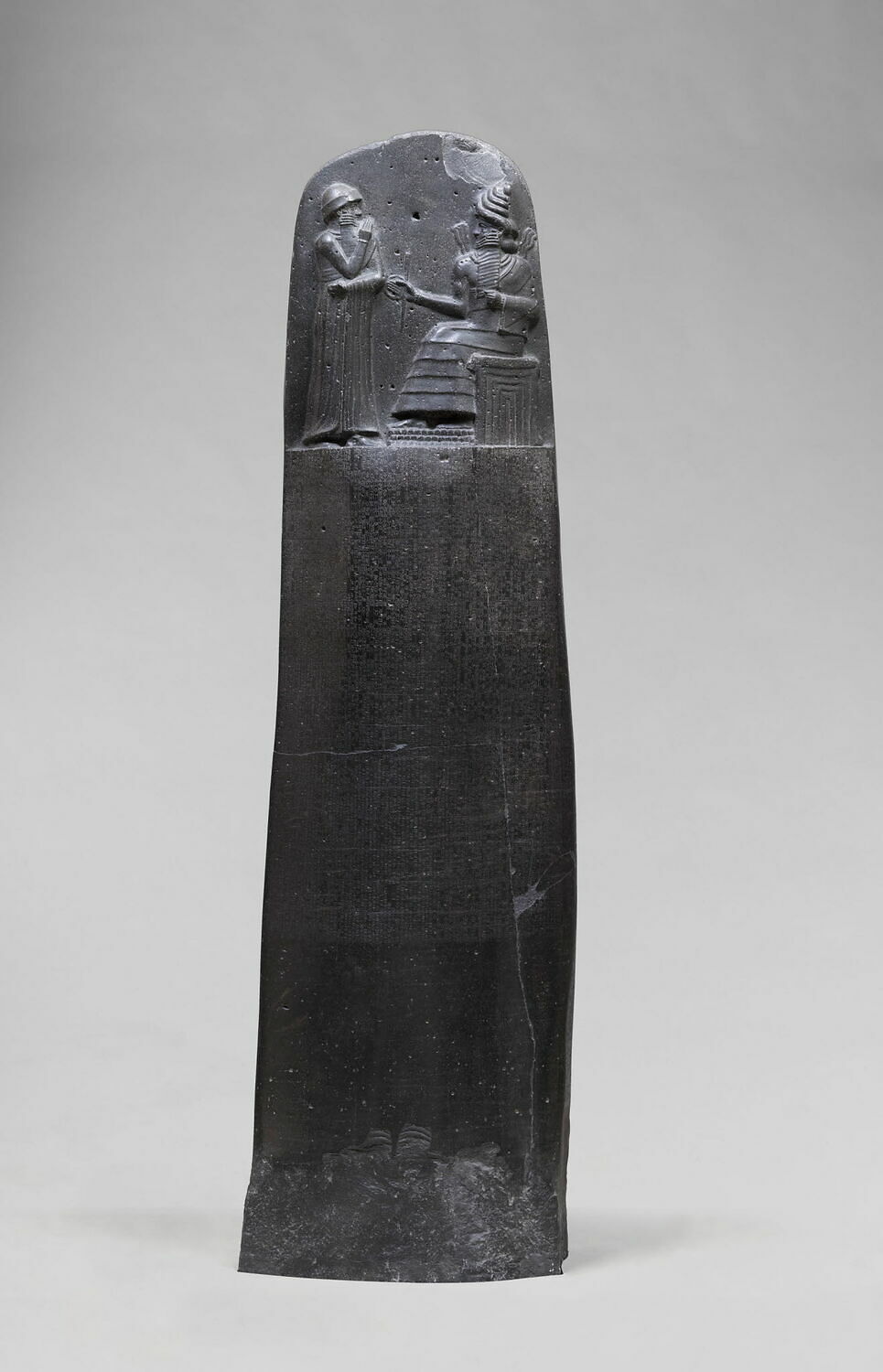
Code de Hammurabi
© Musée du Louvre, Dist. GrandPalaisRmn

Code de Hammurabi

1ère dynastie de Babylone : Hammurabi

basalte; ronde-bosse, bas-relief, gravé
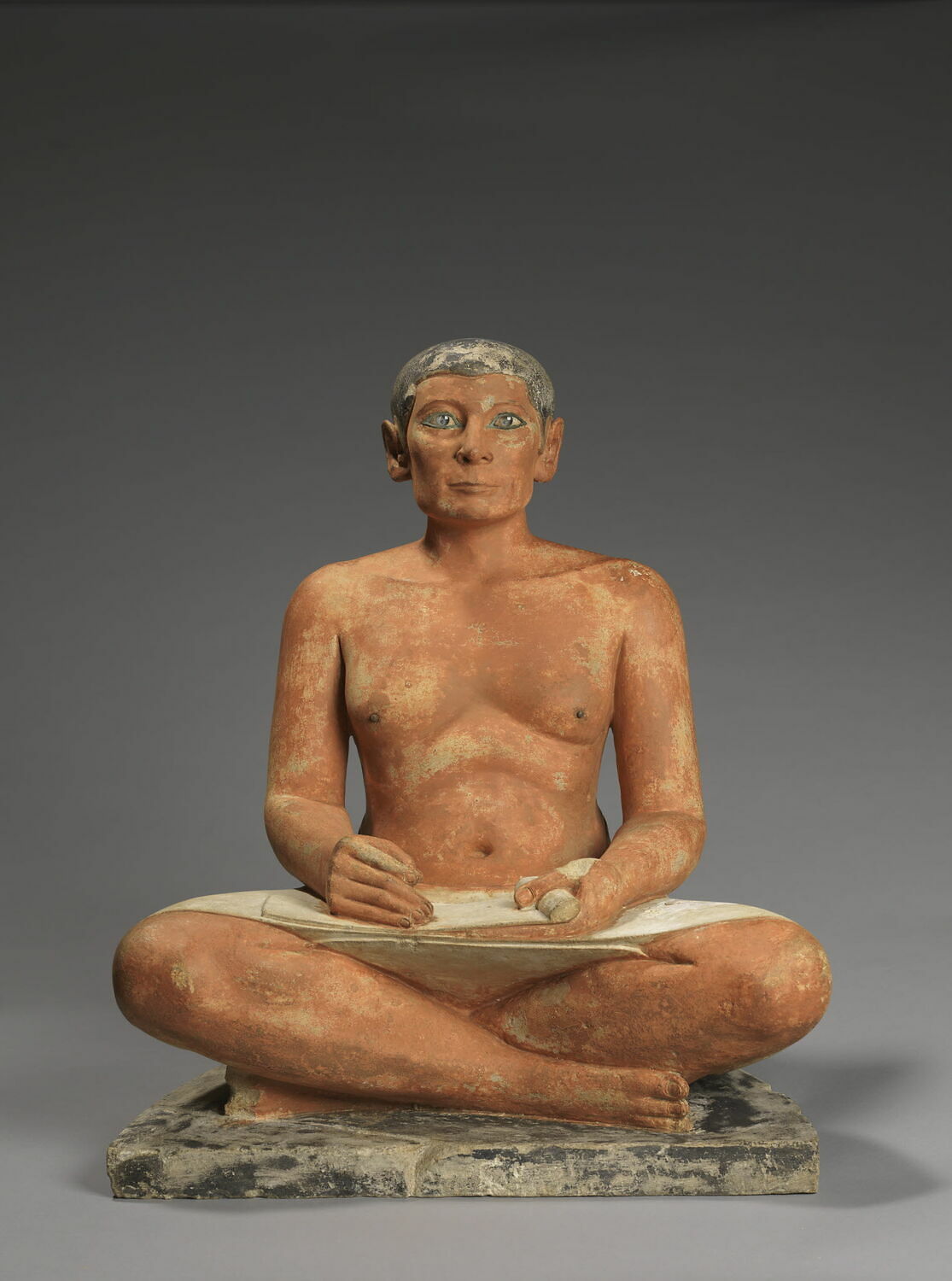
Le scribe accroupi
© Musée du Louvre, Dist. GrandPalaisRmn

Le scribe accroupi

IVe dynastie (attribution d'après style)

calcaire; albâtre égyptien (sclérotique), cristal de roche (iris), cuivre (contour des yeux); ronde-bosse, peinture, incrustation (yeux)
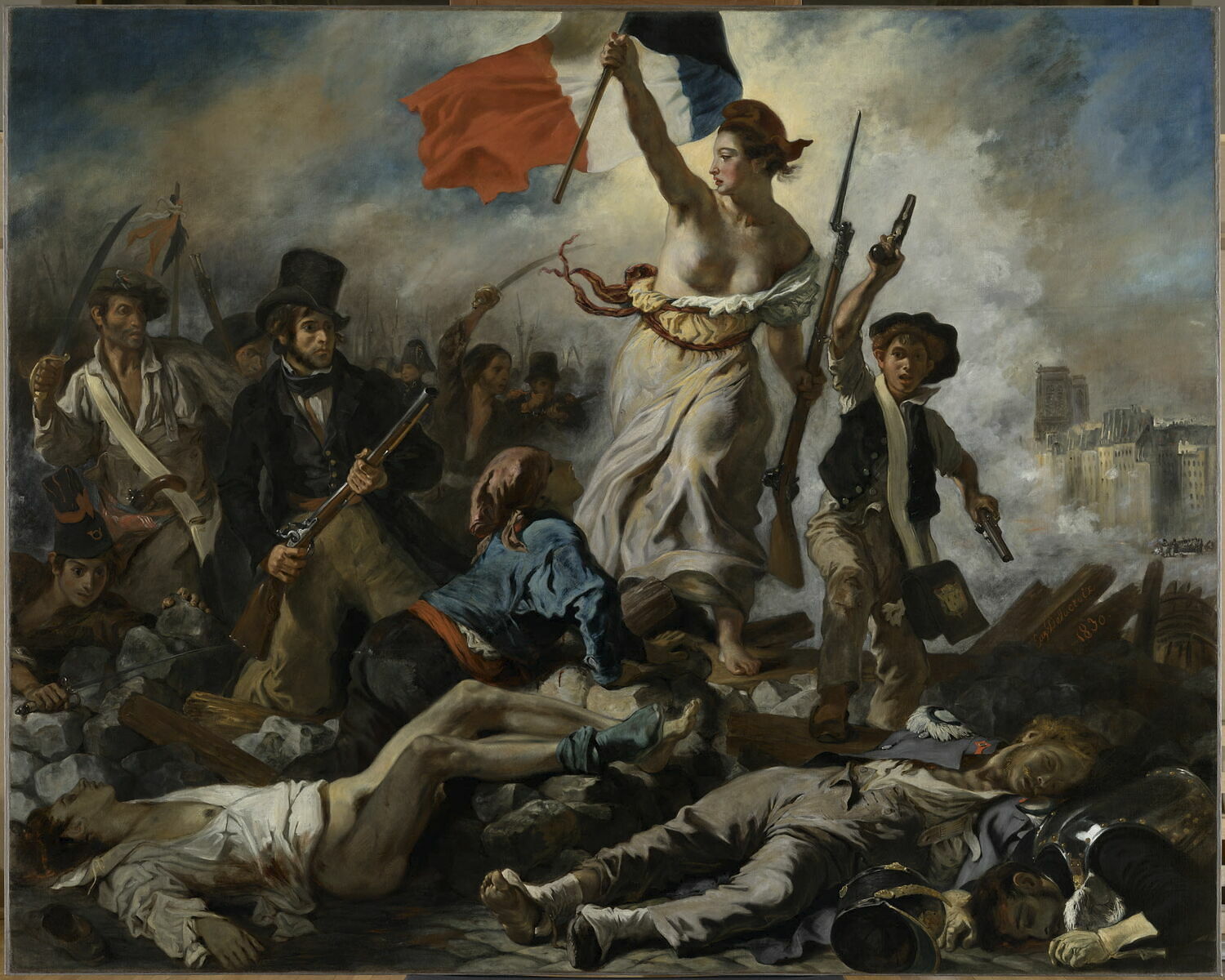
Le 28 juillet 1830. La Liberté guidant le peuple
© Musée du Louvre, Dist. GrandPalaisRmn

Le 28 juillet 1830. La Liberté guidant le peuple

Delacroix, Eugène; France (École de) · 2e quart du XIXe siècle (1830)

huile sur toile
Le Sacre de Napoléon
© Musée du Louvre, Dist. GrandPalaisRmn

Le Sacre de Napoléon

David, Jacques-Louis; DEGOTTI Ignace (proposition d'attribution)

Restauré en 1999

Themes

Masterpieces and Icons of the Louvre
Ancient Egypt
Greek, Etruscan, and Roman Art
Mesopotamia and Ancient Power
Revolution, Empire, and French History Painting
Luxury Objects and Sacred Craft