Decorative Arts
Enamels, ivories, goldwork, furniture, tapestries, porcelain, and bronzes from the Middle Ages to the late 19th century.
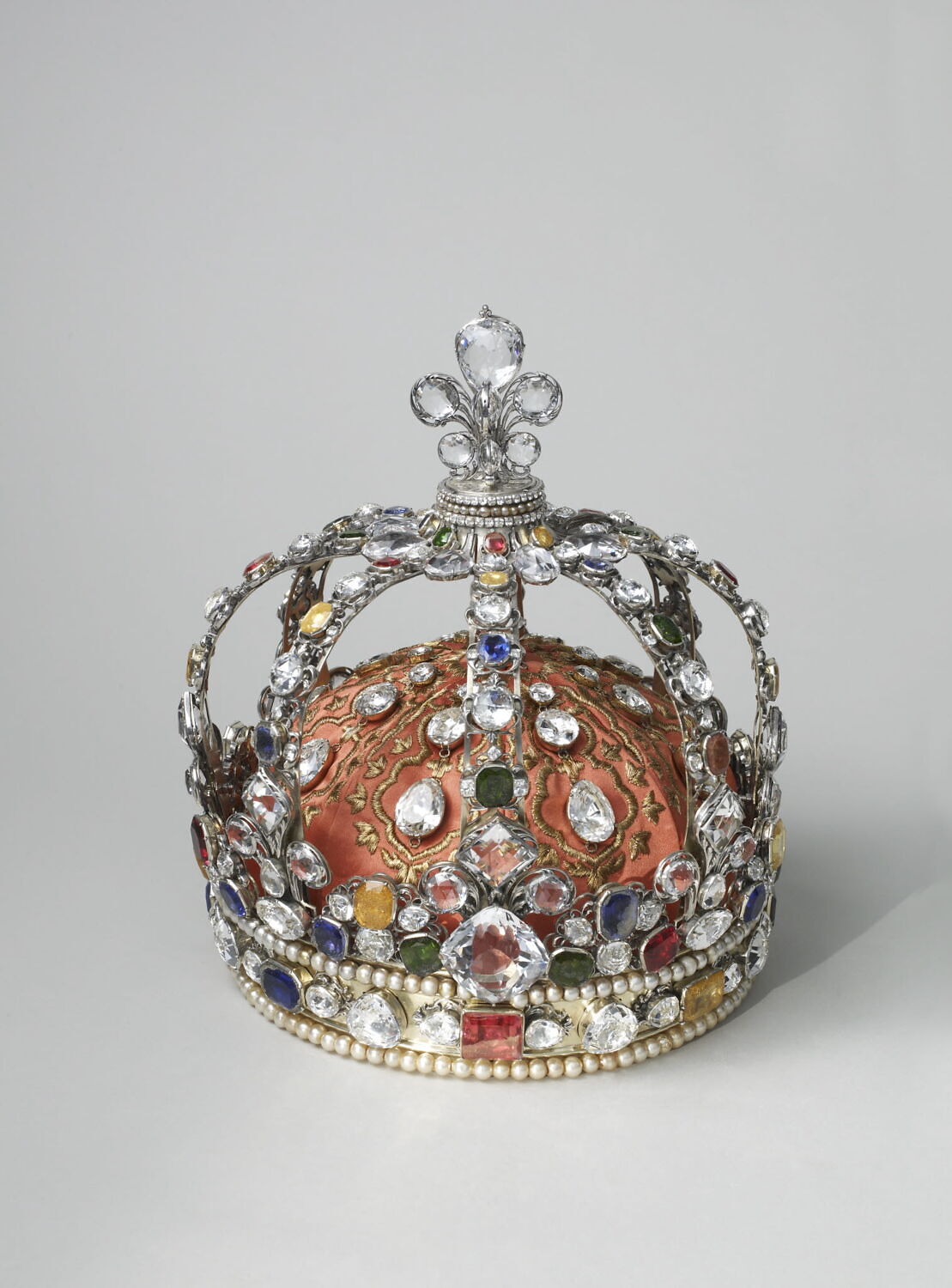
A thousand years of European craft, made first for God and then for the king.
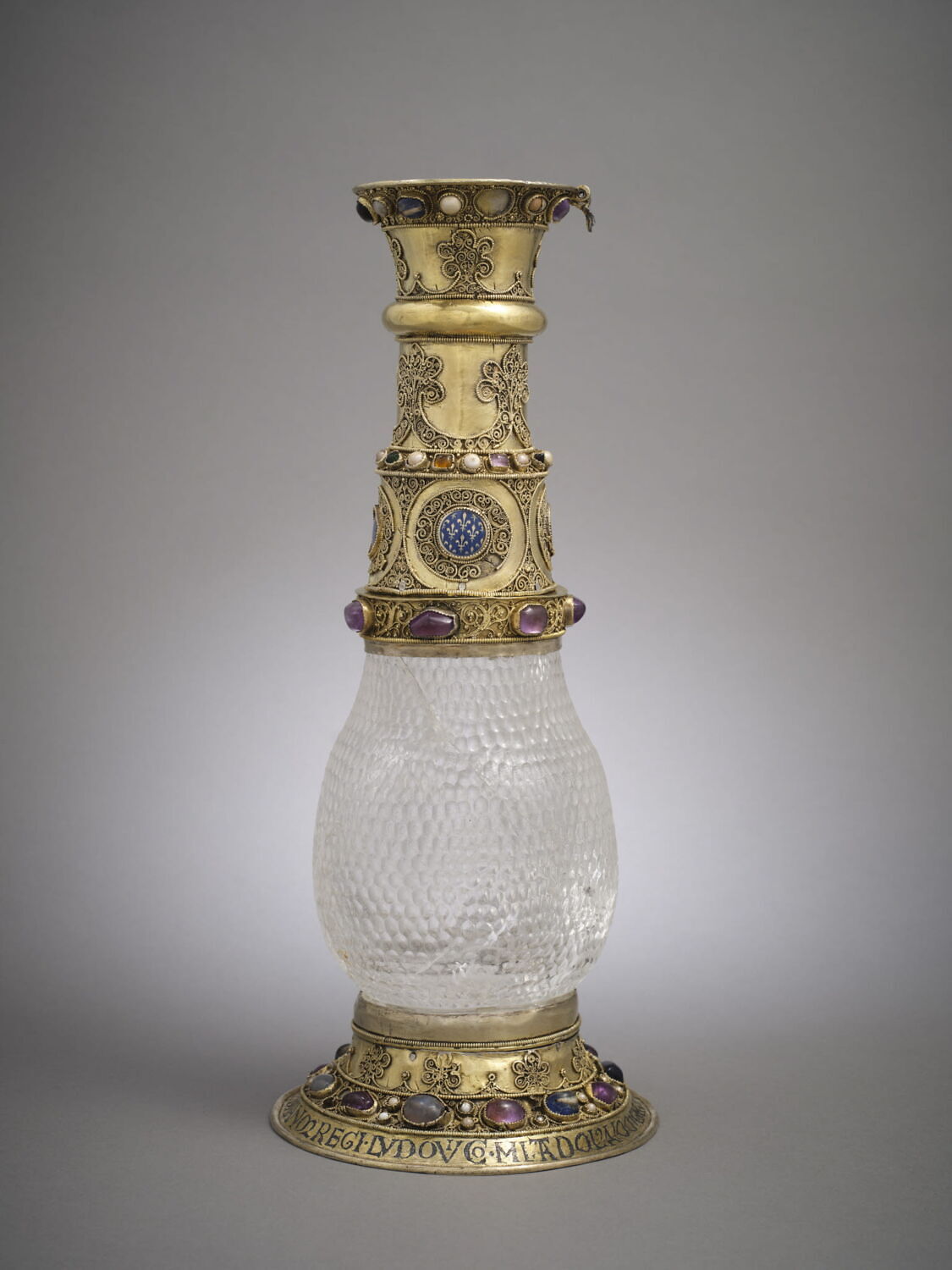
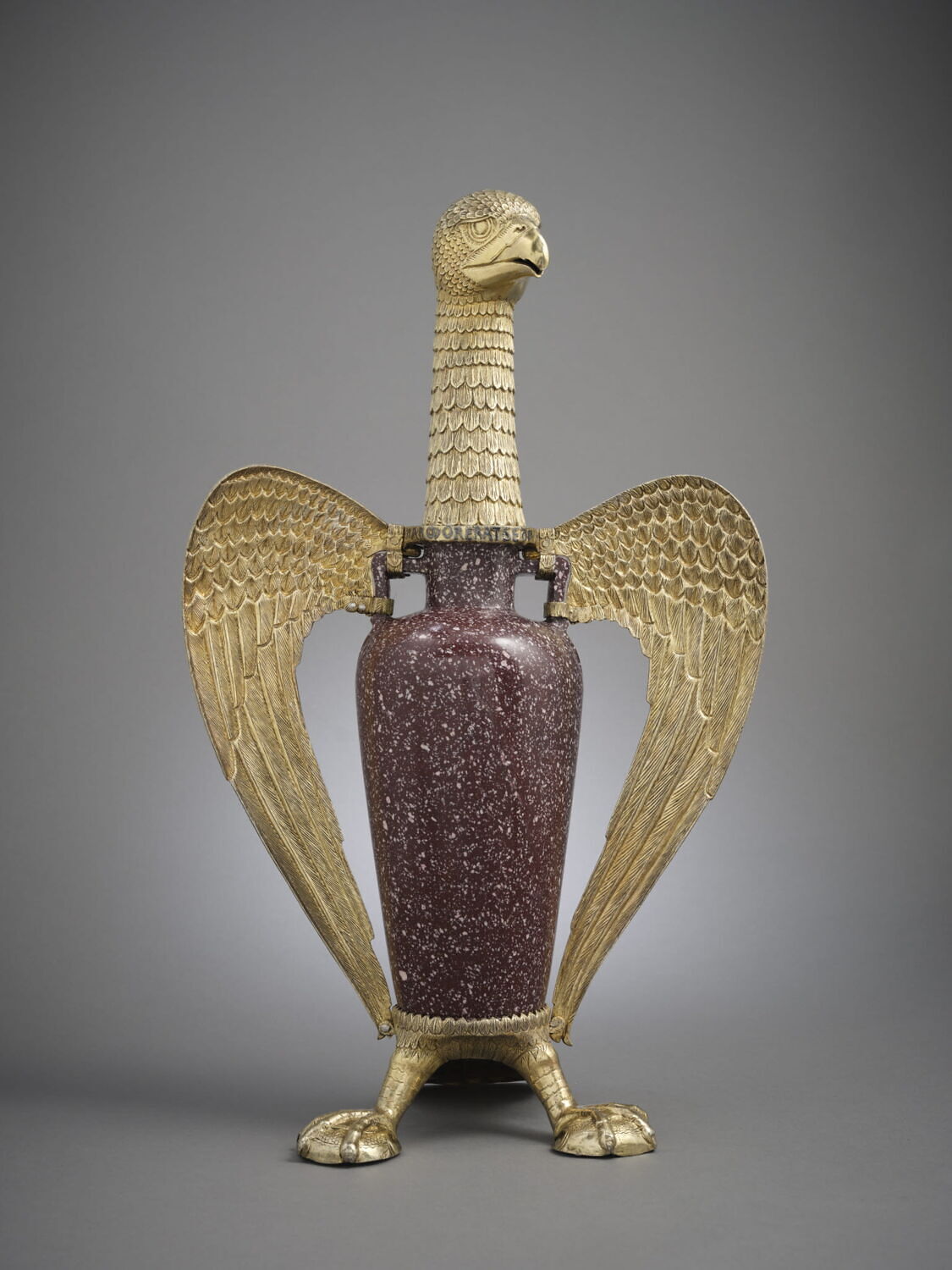
ong before the Louvre opened as a museum, French kings had been assembling treasures at the royal abbey of Saint-Denis north of Paris — Carolingian reliquaries, rock crystal cups, and the gold-mounted eagle that Abbot Suger commissioned in the twelfth century to argue, in dazzling matter, that the sacred should be approached through extraordinary things. The Revolution dispersed Saint-Denis; the Louvre took what it could; and the collection now runs from that medieval theology of gold straight through to the Sèvres porcelain, Boulle marquetry, and crown jewels assembled to furnish Versailles.
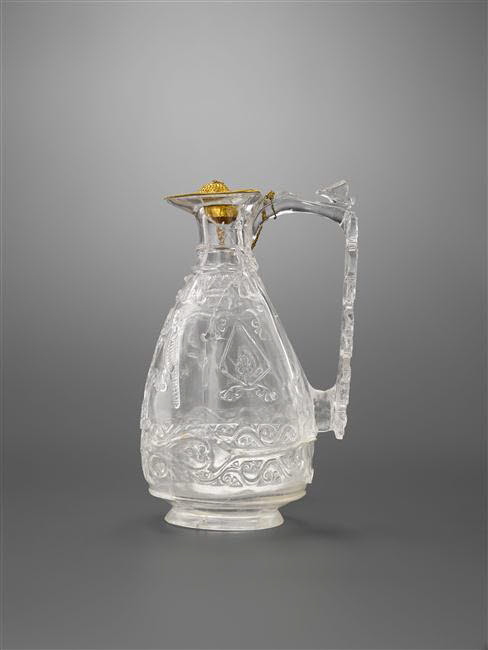
Examine Suger's eagle, where porphyry that was old by Constantine's reign is fitted with gold wings and a curved gold beak; trace the Romanesque ivories and the carved rock crystal flagons that survived from the medieval treasury; then walk to the Galerie d'Apollon with its Regent diamond and the apartments of Napoleon III, kept much as they were. A thousand years of skill applied to argue, in matter, who was important and why.