Metropolitan Museum of Art

European paintings, Egyptian temples, Islamic ceramics, American period rooms, and arms and armor spanning five thousand years of world culture.
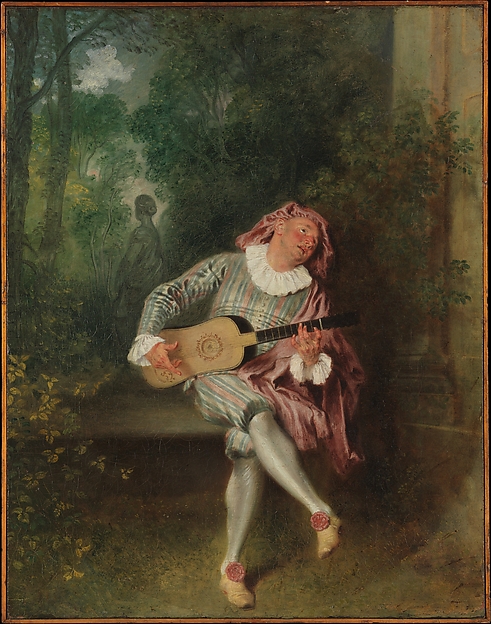
Metropolitan Museum of Art hero image
MezzetinAntoine Watteau · ca. 1718–20

Five thousand years of human culture gathered under a single roof.

ounded in 1870 without a royal collection, ancestral hoard, or government endowment, the Metropolitan Museum of Art was assembled through private patronage, archaeological excavation, and civic ambition. The resulting holdings span five millennia of visual culture across seventeen curatorial departments.

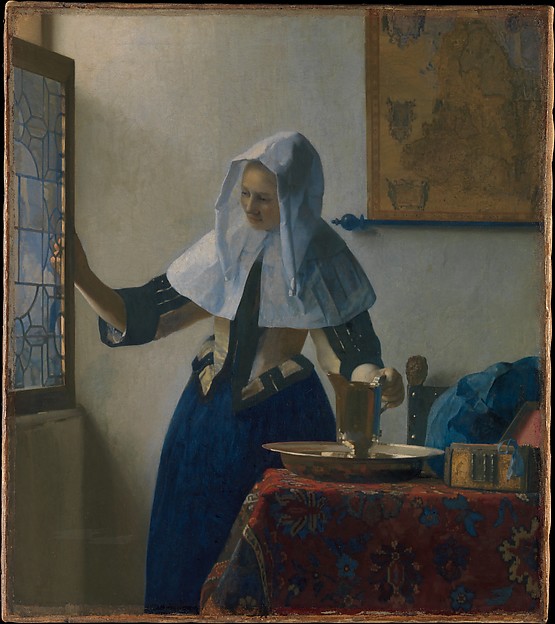
The museum’s encyclopedic structure allows visitors to move directly between disparate material worlds: an intact Egyptian tomb, a 17th-century Dutch interior, a courtly Mughal manuscript, and modern abstraction. The collection functions as a comparative study of how societies across time and geography have solved the problems of craft, faith, and form.

Highlights
The Temple of Dendur

The Temple of Dendur

completed by 10 B.C.

Aeolian sandstone
Madame X (Madame Pierre Gautreau)

Madame X (Madame Pierre Gautreau)

John Singer Sargent · 1883–84

Oil on canvas
Washington Crossing the Delaware

Washington Crossing the Delaware

Emanuel Leutze · 1851

Oil on canvas
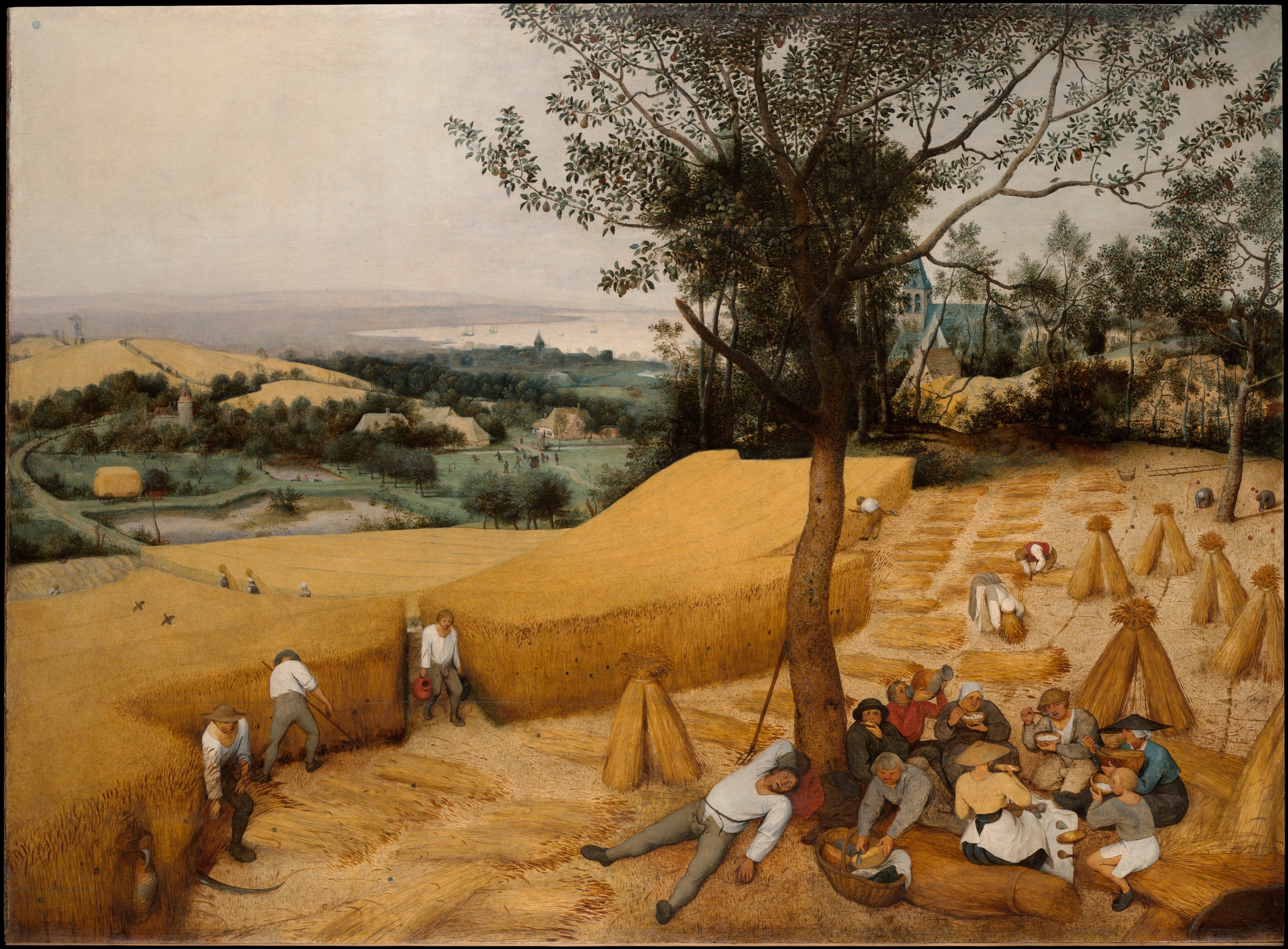
The Harvesters

The Harvesters

Pieter Bruegel the Elder · 1565

Oil on wood
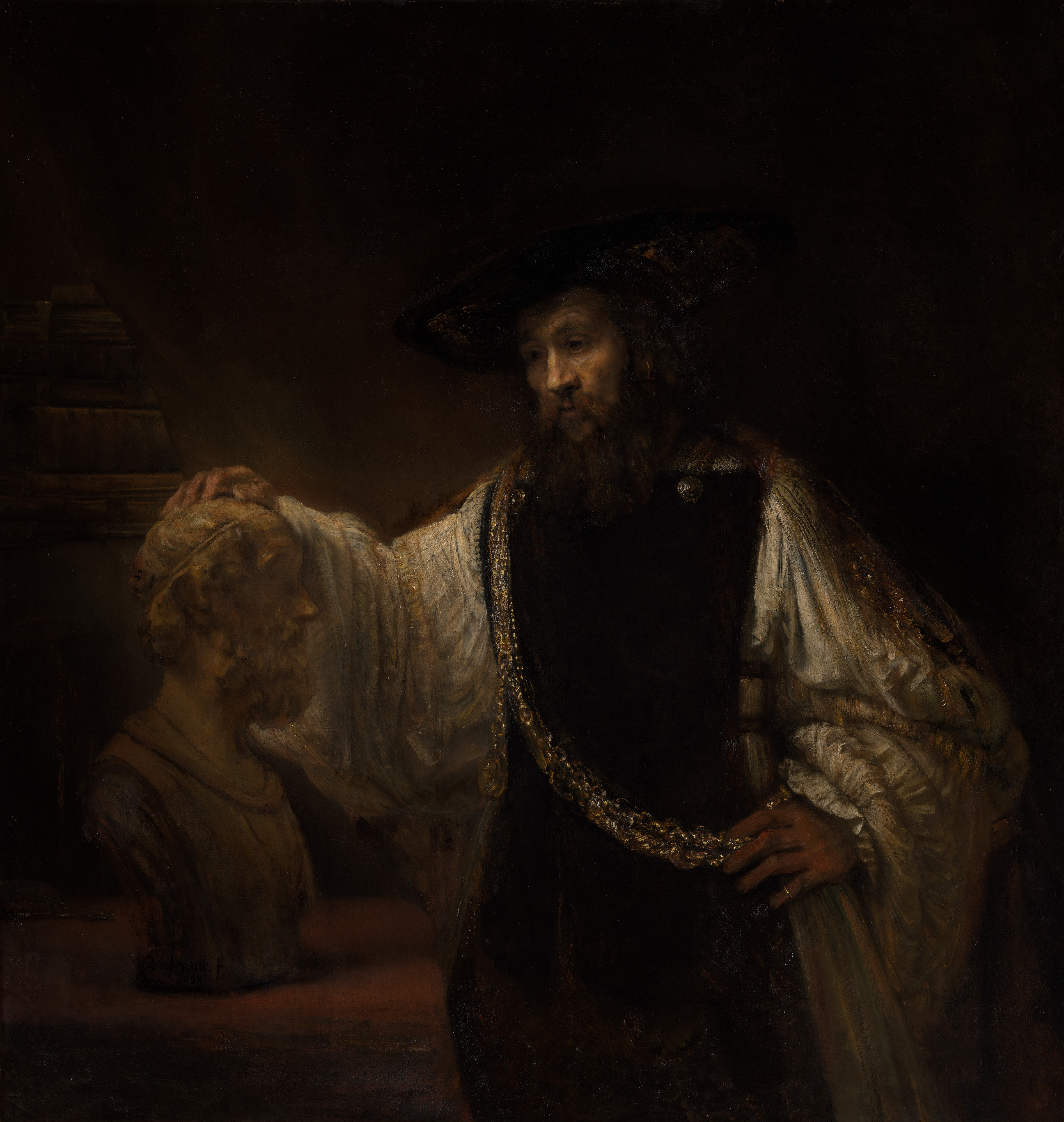
Aristotle with a Bust of Homer

Aristotle with a Bust of Homer

Rembrandt (Rembrandt van Rijn) · 1653

Oil on canvas
View of Toledo

View of Toledo

El Greco (Domenikos Theotokopoulos) · ca. 1599–1600

Oil on canvas
Human-headed winged bull (lamassu)

Human-headed winged bull (lamassu)

ca. 883–859 BCE

Gypsum alabaster
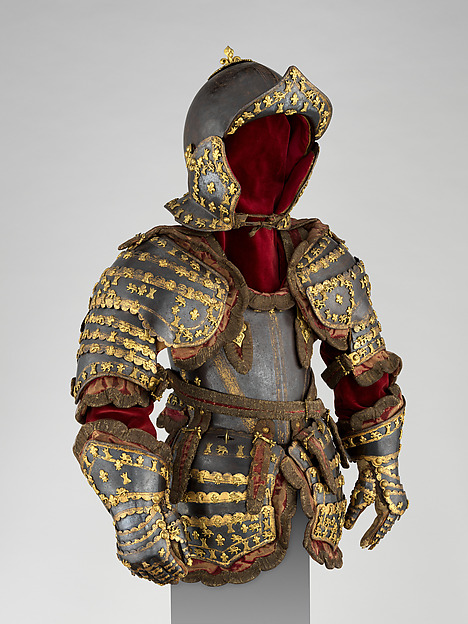
Armor of Henry II, King of France (reigned 1547–59)

Armor of Henry II, King of France (reigned 1547–59)

Baptiste Pellerin|Jean Cousin the Elder · ca. 1555

Steel, gold, silver, leather, textile
Mangaaka Power Figure (Nkisi N’Kondi)

Mangaaka Power Figure (Nkisi N’Kondi)

Kongo artist and nganga, Yombe group · Second half of the 19th century

Wood, iron, resin, ceramic, plant fiber, textile, pigment
唐 韓幹 照夜白圖 卷|Night-Shining White

唐 韓幹 照夜白圖 卷|Night-Shining White

Han Gan · ca. 750

Handscroll; ink on paper
Melencolia I

Melencolia I

Albrecht Dürer · 1514

Engraving
Seated Statue of Hatshepsut

Seated Statue of Hatshepsut

ca. 1479–1458 B.C.

Indurated limestone, paint
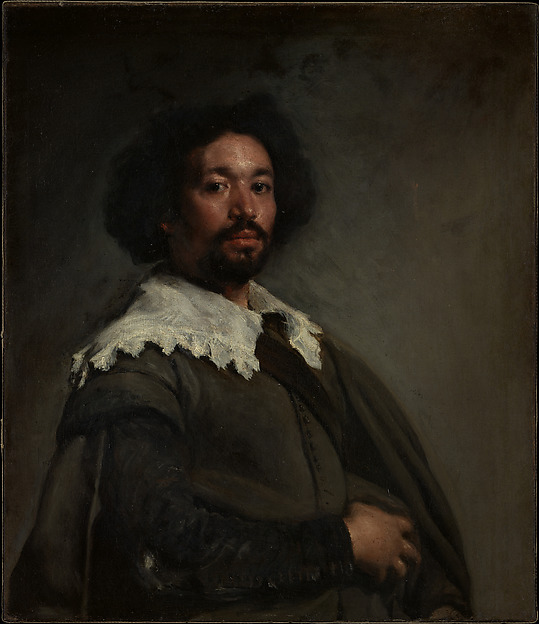
Juan de Pareja (ca. 1608–1670)

Juan de Pareja (ca. 1608–1670)

Velázquez (Diego Rodríguez de Silva y Velázquez) · 1650

Oil on canvas
Ugolino and His Sons

Ugolino and His Sons

Jean-Baptiste Carpeaux · 1865–67

Saint-Béat marble
Marble statue of a kouros (youth)

Marble statue of a kouros (youth)

ca. 590–580 BCE

Marble, Naxian
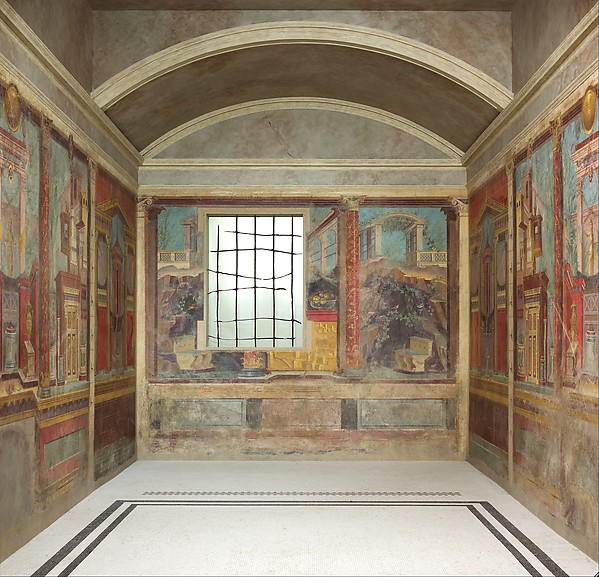
Damascus Room

Damascus Room

dated A.H. 1119/ 1707 CE

Wood (poplar) with gesso relief, gold and tin leaf, glazes and paint; wood (cypress, poplar, and mulberry), mother-of-pearl, marble and other stones, stucco with glass, plaster ceramic tiles, iron, brass

Themes

The Sacred and the Divine
The Adorned Body: Armor, Fashion, and Regalia
Power and the Portrait
The Art of the Interior
Image and Word
The Modern Eye
Guardians at the Palace Gate
Armor Made for Kings
Faces of Power
The Scholar's Brush
The Engraver's Northern Genius
The Face of Pharaoh
The Dutch Golden Age
The Body in Myth and Anguish
The Athletic Body, Cast and Carved
Kings, Heroes, and the Painted Page